


Planning a kitchen or bathroom remodel in Houston? Before you pick out countertops or bathroom tiles, there’s something more important you need to understand: the building codes that govern every aspect of your project. Houston enforces the 2021 International Residential Code with local amendments, and getting these details wrong can cost you thousands in fines, delays, or mandatory tear-outs.
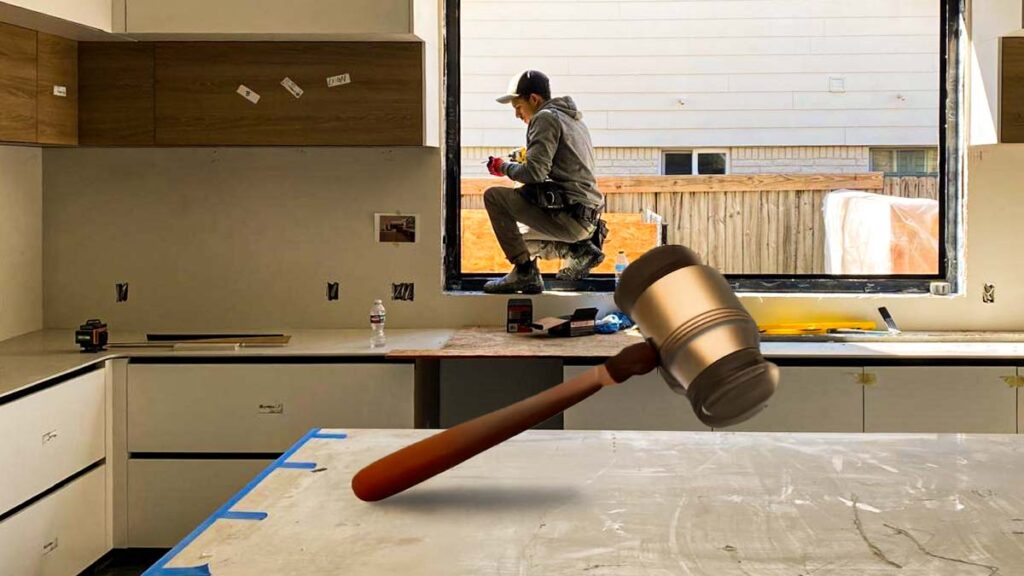
We’ve completed kitchen remodeling projects and bathroom renovations across Harris, Fort Bend, Galveston, Brazoria, and Montgomery Counties for over a decade. We’ve learned that most homeowners don’t realize how many code requirements apply to their remodel until an inspector arrives. This guide outlines the exact requirements of Houston building codes for your kitchen and bathroom projects in 2026.

When Do You Need a Permit in Houston?
The City of Houston requires permits for most remodeling work that goes beyond simple cosmetic changes. According to the 2021 IEBC, with the Houston amendments, you don’t need a license for painting, wallpapering, tiling, carpeting, cabinet replacement, or countertop repairs. However, the moment you touch plumbing, electrical, or structural elements, you’re in permit territory.
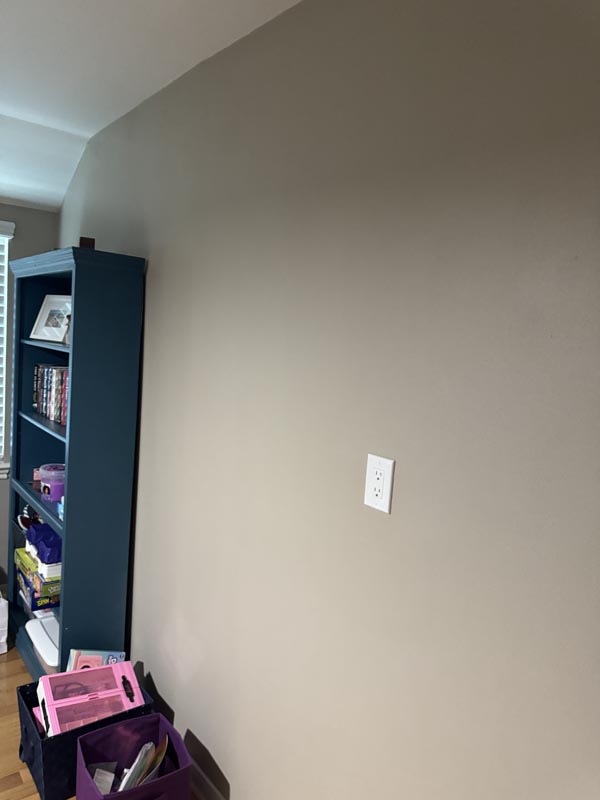
Here’s where it gets tricky for kitchen and bathroom remodels: moving a sink two feet to the left requires a plumbing permit. Adding an outlet near your new island requires an electrical license. Removing a wall to open your kitchen likely requires a building permit and a structural engineering review.
| Project Type | Permit Required? | Estimated Permit Cost | Inspection Timeline |
|---|---|---|---|
| Cabinet replacement (same location) | No | $0 | N/A |
| Countertop replacement | No | $0 | N/A |
| Moving plumbing fixtures | Yes – Plumbing | $135 – $270 | 3-5 business days |
| New electrical circuits | Yes – Electrical | $95 – $190 | 3-5 business days |
| Wall removal (non-load bearing) | Yes – Building | $190 – $405 | 5-10 business days |
| Wall removal (load-bearing) | Yes – Building + Structural | $540 – $945 | 10-15 business days |
| Gas line relocation | Yes – Mechanical | $135 – $270 | 3-5 business days |
| Exhaust fan installation | Yes – Mechanical | $95 – $160 | 3-5 business days |
“I see homeowners every week who started their remodel without pulling permits, thinking they’d save money. Then they try to sell the house, and the home inspection catches unpermitted work. Now they’re paying twice – once to tear it out and again to do it right with inspections. Pull the permit first. It’s cheaper in the long run.”

Kitchen Electrical Code Requirements
The 2023 National Electrical Code (NEC) that Houston enforces includes specific requirements for kitchens that many homeowners are unaware of. These rules exist because kitchens combine water, heat, and heavy appliance loads in one space – a recipe for problems if not wired correctly.
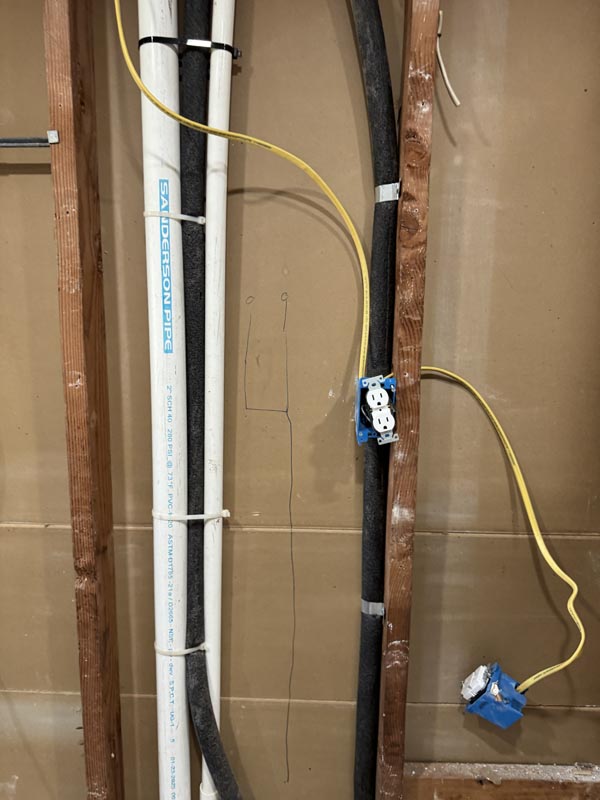
Every kitchen counter space 12 inches or wider needs a receptacle within 24 inches. This means your kitchen remodel project will require outlets spaced no more than 48 inches apart across all countertop areas. And these aren’t just any outlets – they must be GFCI-protected and connected to at least two separate 20-amp circuits dedicated to countertop receptacles.
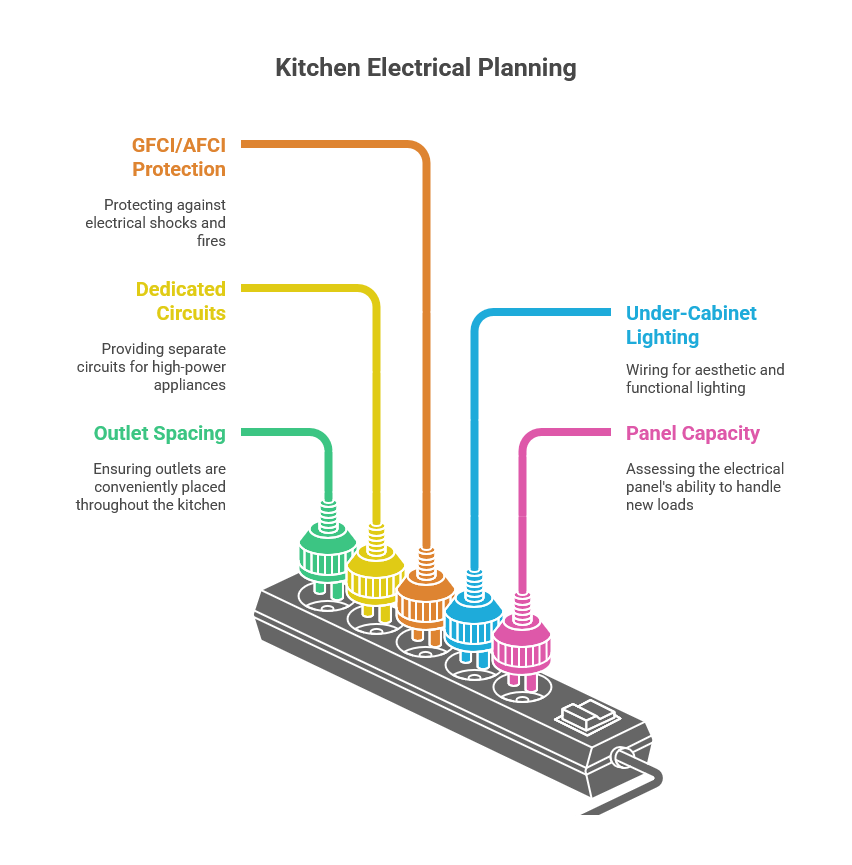
Your refrigerator requires a dedicated circuit with a non-GFCI-protected receptacle located directly behind it. The same goes for your electric range or cooktop. The dishwasher, garbage disposal, and microwave each have specific circuit requirements.
| Kitchen Appliance | Circuit Requirement | GFCI Required? | Installation Cost (Labor + Materials) |
|---|---|---|---|
| Refrigerator | Dedicated 20-amp | No | $270 – $405 |
| Electric Range/Cooktop | Dedicated 40-50 amp | No | $540 – $810 |
| Dishwasher | Dedicated 20-amp | Yes (within 6 ft of sink) | $270 – $405 |
| Garbage Disposal | Dedicated 20-amp (hardwired) | No | $215 – $340 |
| Microwave (built-in) | Dedicated 20-amp | Depends on location | $270 – $405 |
| Countertop receptacles | Two 20-amp small appliance circuits | Yes | $135 – $215 per outlet |
AFCI (Arc-Fault Circuit Interrupter) protection requirements have also expanded under the 2023 NEC. Most kitchen circuits now require AFCI protection in addition to GFCI, where applicable. This adds cost but significantly reduces fire risk from electrical arcing.

Plumbing Codes for Kitchen Remodels
Houston follows the 2021 Uniform Plumbing Code with local amendments. For kitchens, this means specific requirements for drain sizing, venting, and fixture specifications that affect everything from sink placement to dishwasher installation.
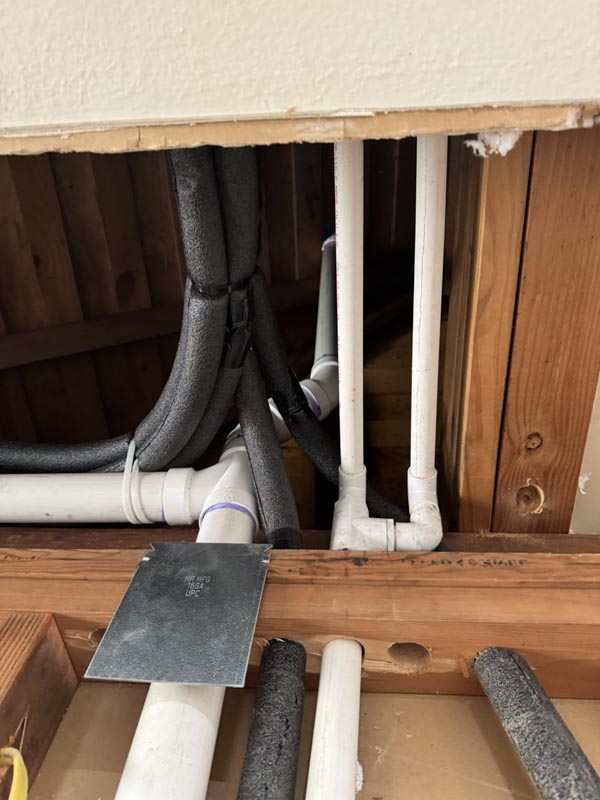
All kitchen sinks require a minimum 1-1/2 inch trap, and the trap must be located within 24 inches of the fixture outlet. If you’re planning an affordable kitchen remodel that involves moving the sink, you’ll need to ensure proper venting is maintained. Air admittance valves (AAVs) are permitted under the Houston code when they’re ASSE 1051-2009 approved and installed per the manufacturer’s specifications.
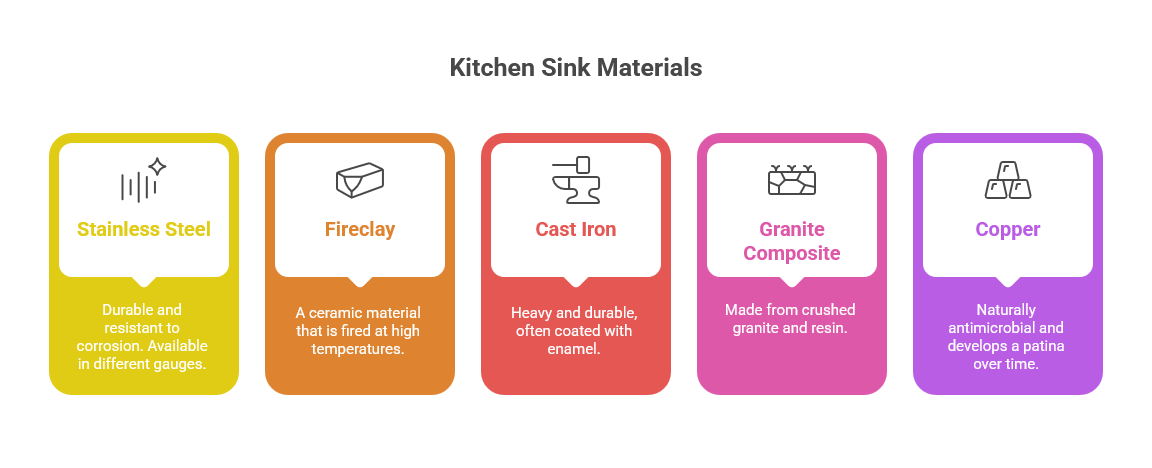
Water supply lines have their own requirements. Hot water must always connect to the left side of the faucet – if your existing supply lines are reversed, they must be corrected during a remodel. All replacement faucets must be WaterSense-qualified, deliver no more than 2.2 gallons per minute, and include a 15-year drip-free warranty.
Watch a recent kitchen transformation we completed while maintaining full code compliance:

Bathroom Ventilation Requirements
Houston’s high humidity makes proper bathroom ventilation critical – and code-mandated. Every full bathroom requires either a mechanical exhaust fan or an operable window. Given Houston’s climate, we always recommend the exhaust fan route regardless of window availability.
The code specifies that bathroom exhaust fans must be Energy Star qualified. Intermittent fans (the kind you turn on and off) must move at least 50 CFM of air. If you install a continuous-run fan, it must move at least 20 CFM. Either type can’t exceed 1.5 sones for the noise level.
“Houston humidity is brutal on bathrooms. I’ve opened up walls in homes built in the 1990s and found black mold growing because the builder either skipped the exhaust fan or vented it into the attic instead of outside. Current code requires all exhaust fans to vent through the roof or a gable wall with mechanical fasteners, duct mastic sealing, and R-6 insulation. Cutting corners here creates problems that show up years later.”
Critical installation requirements include: bathroom exhaust fans must connect to a dedicated GFCI-protected circuit; all ductwork must be mechanically fastened and sealed with duct mastic; be insulated to a minimum of R-6; and include a mechanical damper. A flex duct terminating at a gable vent is explicitly not allowed under the Houston code.
| Ventilation Component | Code Requirement | Common Violation | Fix Cost |
|---|---|---|---|
| Fan CFM Rating | 50 CFM minimum (intermittent) | Undersized fan for the room | $190 – $340 |
| Duct Insulation | R-6 minimum | Uninsulated duct | $135 – $270 |
| Termination Point | Exterior only (roof or gable) | Venting into the attic | $270 – $540 |
| Circuit Protection | Dedicated GFCI circuit | Shared non-GFCI circuit | $215 – $340 |
| Duct Sealing | Duct mastication at all joints | Tape-only connections | $95 – $190 |
| Damper | Mechanical damper required | No damper installed | $80 – $135 |


Bathroom Plumbing and Fixture Codes
The plumbing requirements for bathroom remodels in Houston address water conservation, safety, and proper drainage. If you’re replacing toilets, the 2021 code now requires 1.28 gallons per flush, down from the previous 1.6-gallon standard.
Shower fixtures must include anti-scald control devices, and you must provide access panels for these valves for future maintenance. All shower and tub drains need a minimum 2-inch trap. Floor drains in utility areas require the same.
| Bathroom Fixture | Water Usage Limit | Additional Requirements | Replacement Cost (Installed) |
|---|---|---|---|
| Toilet | 1.28 GPF maximum | WaterSense certified | $405 – $810 |
| Showerhead | 2.0 GPM maximum | WaterSense certified | $135 – $340 |
| Bathroom Faucet | 1.5 GPM maximum | WaterSense certified | $190 – $405 |
| Tub Filler | No flow restriction | Anti-scald valve required | $340 – $675 |
| Shower Valve | N/A | Anti-scald, access panel | $405 – $810 |
For drain, waste, and vent (DWV) systems, the Houston code prohibits bell traps, S-traps, and drum traps. If your older home has any of these, they must be replaced with P-traps during a remodel. State-licensed plumbers must perform all plumbing work, and inspections must be completed by qualified individuals experienced in plumbing systems.


Bathroom Electrical Safety Requirements
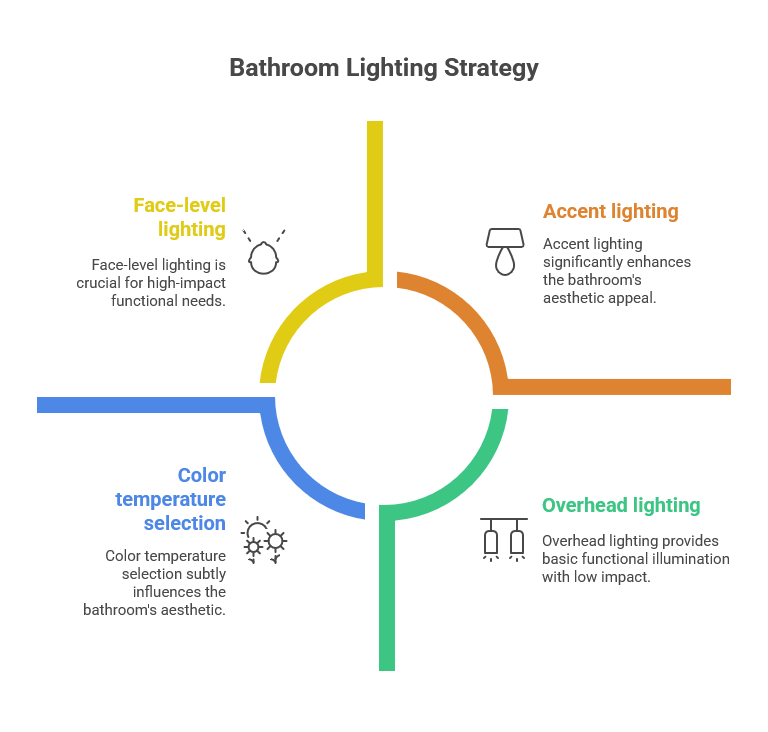
Bathrooms pose unique electrical hazards due to the constant presence of water. Houston code requires all receptacles in bathrooms to be GFCI protected – no exceptions. Any receptacle within 6 feet of a sink in any room must also be GFCI-protected.
Every bathroom needs at least one permanently installed light fixture controlled by a wall switch. Switches cannot be located in tub or shower areas or behind the swing of a door. If you’re installing closet lights in your bathroom, they must be surface-mounted or recessed can lights (ICAT-rated if recessed), positioned at least 6 inches from any storage or clothing.
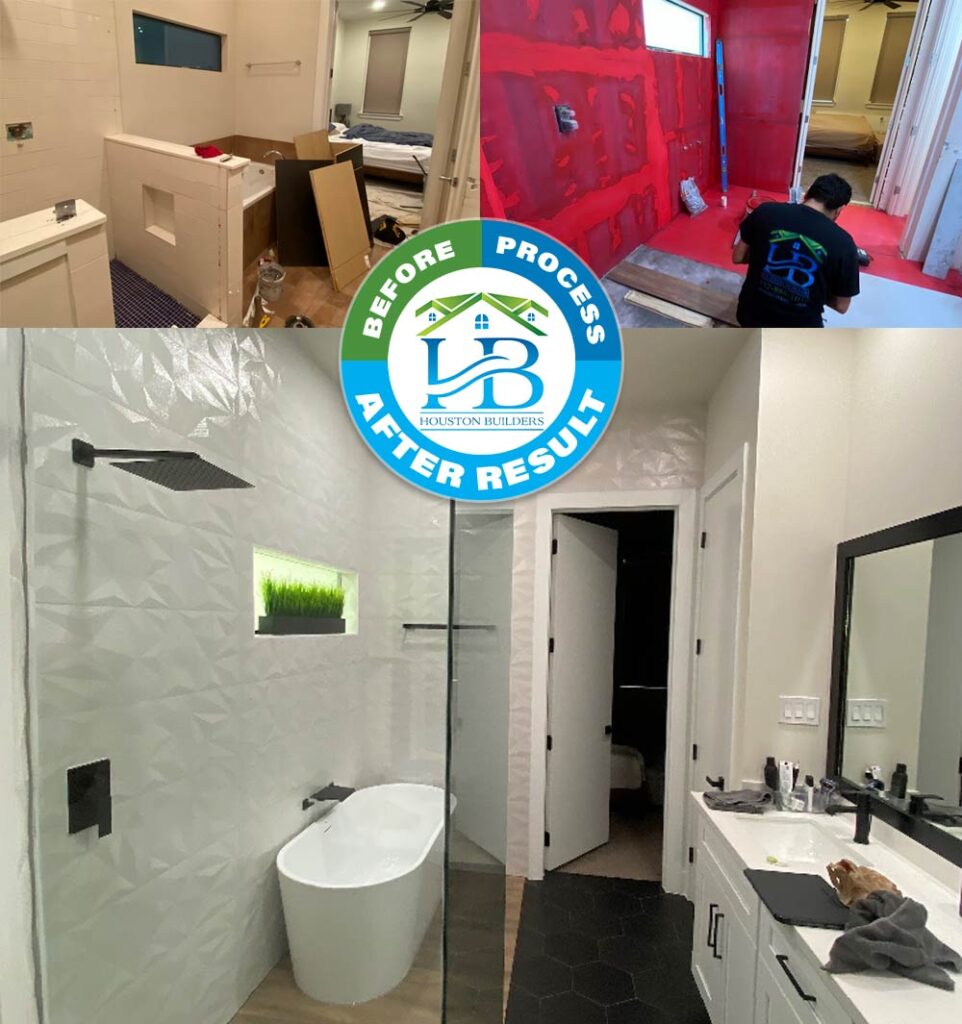
For water damage restoration projects that include bathroom electrical repairs, all replacement fixtures must be Energy Star-qualified and installed according to the manufacturer’s instructions. No fixture or receptacle can hang from a base by unsupported wiring.
Water Heater Requirements
If your kitchen or bathroom remodel involves water heater replacement or relocation, Houston code has specific requirements. All replacement water heaters must be Energy Star qualified with a minimum 30-gallon storage capacity. Gas water heaters installed in garages must be elevated at least 18 inches above the floor.
Every water heater requires a temperature and pressure relief valve (TPRV) that can relievepressure at 150 PSI or 210°F. The relief valve discharge must extend to the exterior of the home, not into a pan or the garage. Understanding these requirements helps when reviewing water damage restoration costs that might involve water heater issues.
| Water Heater Size | Gas Minimum EF | Electric Minimum EF | Replacement Cost (Installed) |
|---|---|---|---|
| 30 Gallon | 0.63 | 0.94 | $1,350 – $2,025 |
| 40 Gallon | 0.61 | 0.93 | $1,485 – $2,295 |
| 50 Gallon | 0.59 | 0.92 | $1,620 – $2,565 |
| 60 Gallon | 0.57 | 0.91 | $1,890 – $2,970 |
| 80 Gallon | 0.53 | 0.89 | $2,295 – $3,510 |

The Permit Application Process
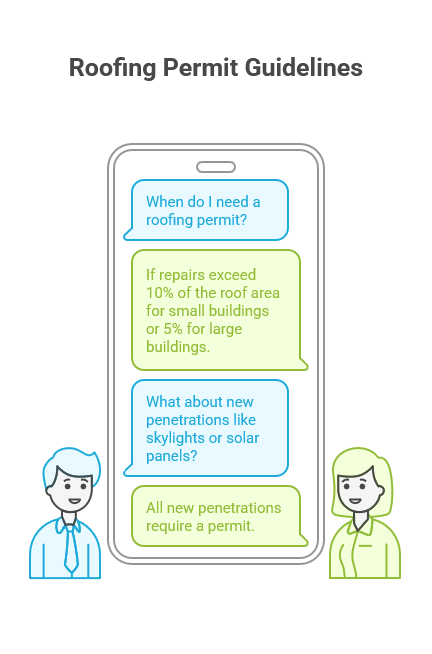
Getting construction permits in Houston involves submitting your application through the Houston Permitting Center at 1002 Washington Avenue. The city must either grant, deny, or provide written notice within 45 days of application submission.
For straightforward kitchen and bathroom remodels, expect permit review to take 3-10 business days, depending on the scope. Projects requiring structural review or multiple trade permits take longer. Having complete documentation upfront – including scaled drawings showing existing and proposed conditions – speeds up approval significantly.
“The permit process intimidates a lot of homeowners, but it doesn’t have to. We handle all permit applications for our clients because we know exactly what the city wants to see. A complete application with proper drawings gets approved fast. An incomplete one sits in review limbo. We’ve gotten turnaround in as little as 3 days for simple projects because our documentation is thorough from the start.”

Inspection Requirements and Scheduling
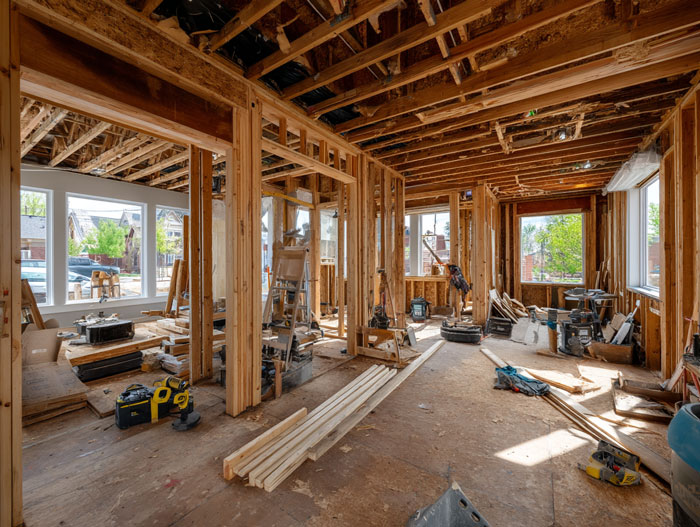
Every permitted project requires inspections at specific stages. For kitchen and bathroom remodels, you’ll typically need rough-in inspections for plumbing, electrical, and mechanical work before walls are closed, followed by final inspections after completion.
Houston inspectors check for code compliance at each stage. Common inspection failures we see include: improper outlet spacing in kitchens, missing GFCI protection, inadequate ventilation ducting, and plumbing vent issues. Each failed inspection requires scheduling a re-inspection after correction, adding days to your project timeline.

Our approach to remodeling projects in the Houston metro includes our team’s pre-inspection verification before requesting official inspections. This catches issues before the inspector arrives, reducing delays and keeping projects on track.

Project Timelines: Industry Standard vs. Our Approach
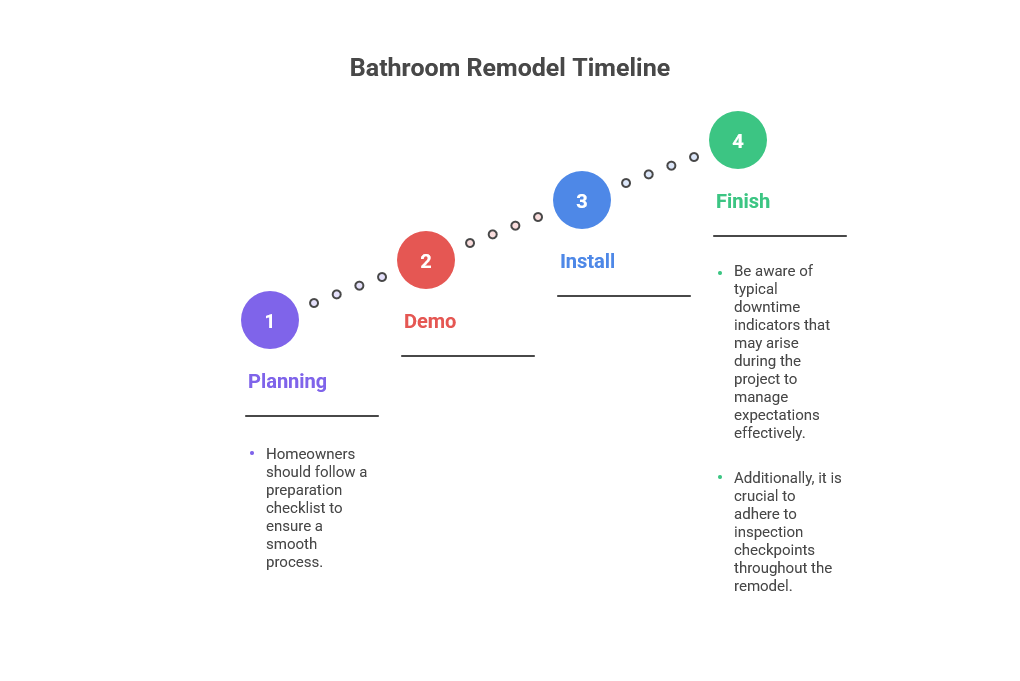
Most Houston contractors quote 6-8 weeks for a standard kitchen remodel and 3-4 weeks for a bathroom renovation. We consistently complete these projects in half that time – not by cutting corners, but through better planning, experienced crews, and efficient scheduling.
When you’re working with a team that understands Houston building codes inside and out, permit applications go through faster, inspections pass on the first try, and there’s no waiting around for someone to figure out what comes next. That efficiency translates directly to time saved on your project. Check out our guide to remodeling contractor pricing to understand how timeline efficiency affects overall project costs.

How Code Compliance Affects Your Budget
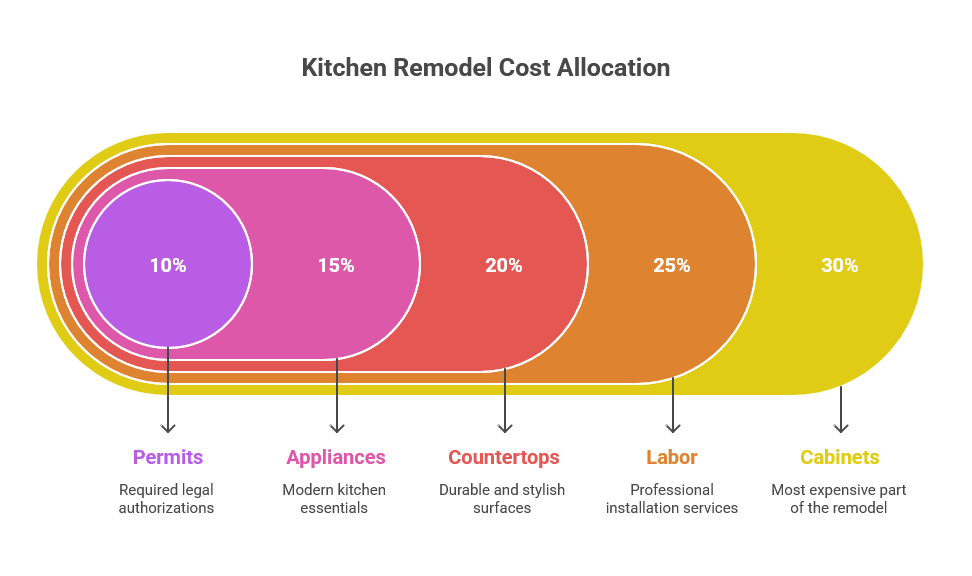
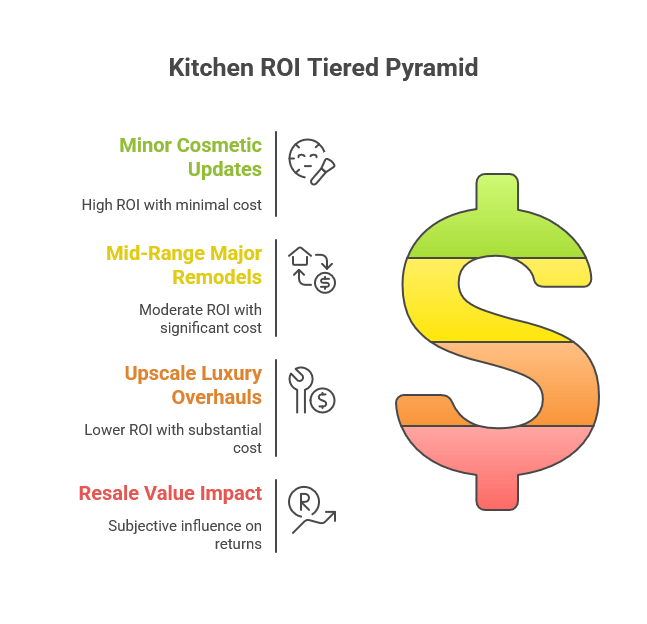
Permit fees represent a small portion of the overall project cost, but the code requirements themselves significantly impact your budget. Upgrading electrical panels to support new kitchen circuits, installing proper ventilation ductwork through attics, and installing code-compliant plumbing all increase project costs.
For budget-friendly remodeling in Houston, understanding which work triggers permit requirements helps you plan effectively. Sometimes keeping fixtures in their current locations saves thousands in plumbing and electrical work, even if the layout isn’t quite ideal.
Review kitchen remodeling costs in Houston to get a realistic picture of what code-compliant renovations require. We provide detailed estimates that break down exactly where your money goes – including all permit fees, inspection requirements, and code-mandated upgrades.

Common Code Questions We Hear
Can I complete the work myself and have it inspected? For general building work, yes – Houston doesn’t require a contractor license for most residential work. However, electrical and plumbing work must be performed by licensed professionals. Unpermitted work or work by unlicensed trades can create significant problems when you sell your home.
What if my house were built before the current building codes were in effect? Existing conditions are generally grandfathered unless you’re making changes. Once you begin a remodel, the new work must comply with the current code. This sometimes triggers upgrades to adjacent systems – for example, adding a bathroom circuit might require upgrading your electrical panel.
Do the same codes apply throughout the Houston area? Houston proper enforces the city’s amended version of the 2021 codes. Surrounding areas such as Sugar Land, Pearland, and The Woodlands have their own jurisdictions, each with its own variations. We work across all these service areas and know the specific requirements for each.


Your Pre-Remodel Code Compliance Checklist
Before starting any kitchen or bathroom remodel in Houston, work through this checklist:
- Identify all work that will require permits (plumbing, electrical, mechanical, structural)
- Verify your electrical panel hasthe capacity for the necessary new circuits
- Confirm bathroom ventilation can be appropriately routed to the exterior
- Check that proposed fixture locations allow proper trap and vent installation
- Review whether any walls being modified are load-bearing
- Determine if your water heater meets current efficiency standards
- Assess whether existing plumbing uses prohibited trap types
- Plan for required GFCI and AFCI protection throughout project areas
Working with a contractor familiar with Houston codes from the start prevents expensive mid-project surprises. We evaluate all these factors during our initial consultation, so you know exactly what your project requires before any work begins.

Working with Licensed Professionals
Texas doesn’t require a general contractor license, but state-licensed professionals must perform electrical and plumbing work. When selecting contractors for your deck and patio projects or interior remodels, verify their licensing status through the Texas Department of Licensing and Regulation.

Our team includes licensed electricians and plumbers who understand the specific code amendments in Houston. This in-house expertise means faster project completion and fewer inspection issues. Whether you need roofing repairs, exterior painting and siding, or fireplace and chimney work, we handle permits and inspections professionally.
| Trade License | Issuing Authority | Required For | Verification Method |
|---|---|---|---|
| Master Plumber | Texas State Board of Plumbing Examiners | All plumbing work | TSBPE online lookup |
| Master Electrician | Texas Department of Licensing and Regulation | All electrical work | TDLR license search |
| HVAC Contractor | Texas Department of Licensing and Regulation | Mechanical systems | TDLR license search |
| General Contractor | Not required in Texas | N/A | Check references and insurance |

Your Next Steps
Ready to start planning your code-compliant kitchen or bathroom remodel? Contact Houston Builders for a detailed assessment of your project requirements. We serve homeowners within 50 miles of South Houston, including Harris, Fort Bend, Galveston, Brazoria, and Montgomery Counties. Visit our news and blog section for more remodeling insights, or explore our recent work, including room additions, flooring projects, concrete work, balcony waterproofing, and room addition costs.