

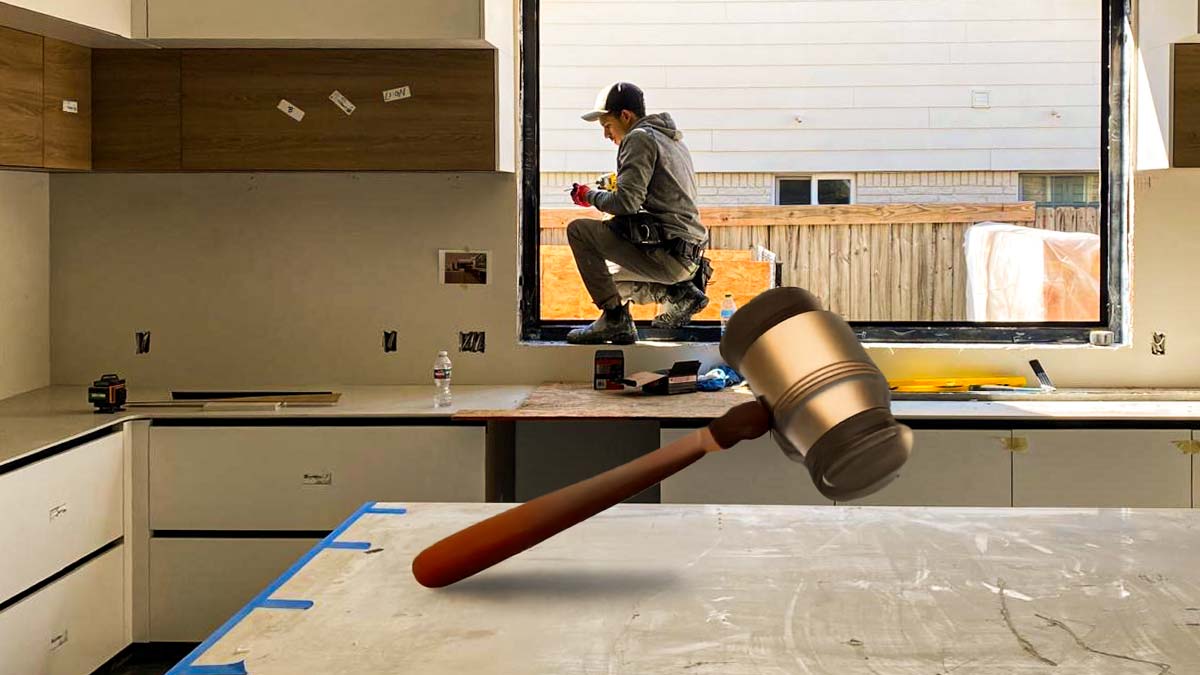
Looking Ahead: 2026 Updates and Future Code Adoptions
The 2024 International Code Cycle: What’s Next for Houston
While Houston adopted the 2021 International Codes effective January 1, 2024, the ICC has already released the 2024 editions. Understanding this timeline matters for anyone planning remodeling services in Houston—current projects operate under 2021 codes, while future updates are already in development.
The ICC follows a three-year publication cycle (2021, 2024, 2027). However, municipalities typically lag by 3-6 years. Houston’s adoption pattern suggests we’ll likely see the 2024 codes implemented between 2026 and 2028.

Key Changes in the 2024 International Building Code:
The 2024 IBC introduces over 1,000 code changes, including:
- Enhanced fire assembly requirements for Type III construction
- Expanded mass timber construction provisions (Types IV-A, IV-B, IV-C)
- Embedded QR codes for digital cross-referencing
- Updated ASCE 7 Load requirements for wind, snow, and seismic events
- Improved accessibility standards

Energy Efficiency Improvements:
The 2024 IECC delivers 10-15% better energy performance than the 2021 edition through:
- Enhanced parking garage lighting controls
- Advanced energy monitoring for commercial buildings
- Additional residential efficiency packages
- Stricter building envelope requirements
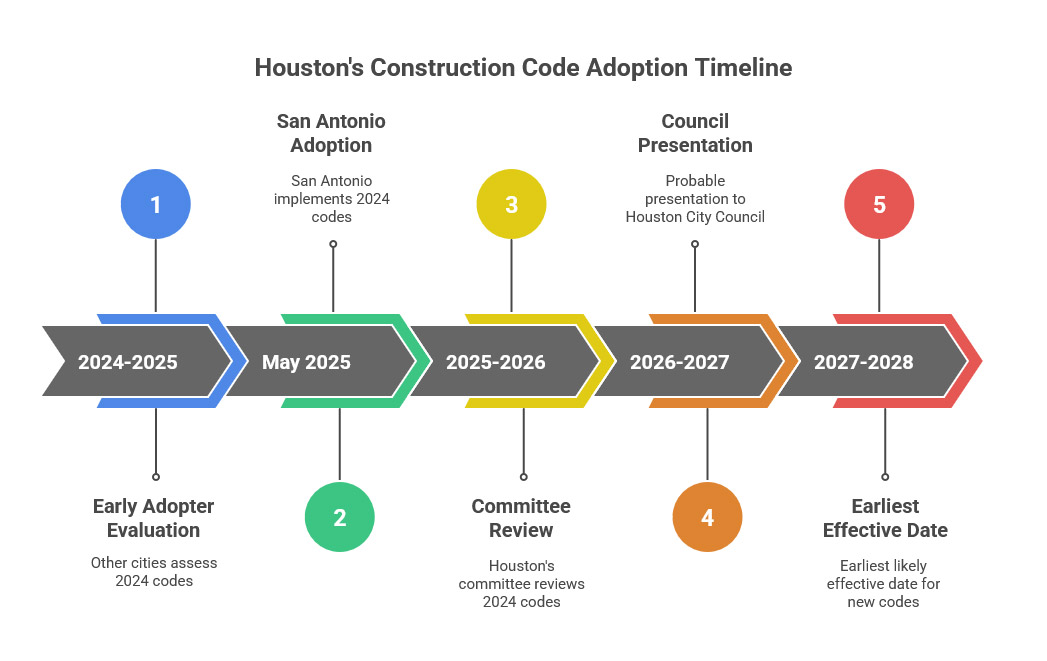
Houston’s Adoption Timeline
Projected Schedule:
- 2024-2025: Early adopter cities evaluate 2024 codes (San Antonio adopted them effective May 2025)
- 2025-2026: Houston’s Construction Code Modernization Committee reviews 2024 codes
- 2026-2027: Probable presentation to City Council
- 2027-2028: Earliest likely effective date
Projects starting in neighborhoods such as Memorial (77024) or The Heights (77008) in 2026 will likely still follow the 2021 codes.
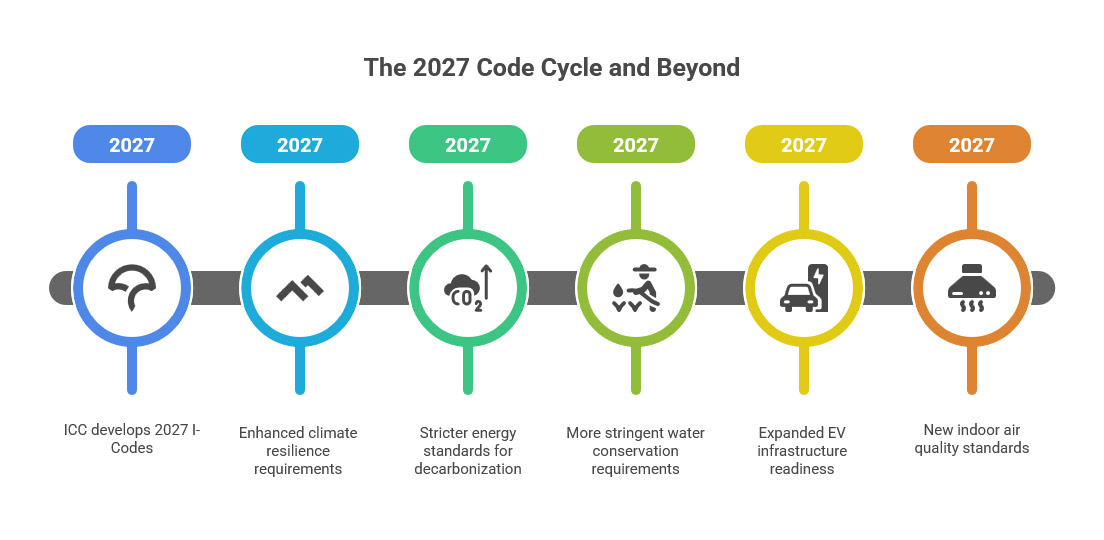
The 2027 Code Cycle and Beyond
The ICC is developing the 2027 I-Codes using a new continuous three-year development process. Expected focus areas include:
Climate Resilience: Enhanced requirements for extreme weather, particularly relevant for Houston’s hurricane and flood exposure
Decarbonization: Stricter energy standards supporting net-zero goals
Water Conservation: More stringent plumbing efficiency requirements—critical for Texas’s long-term water challenges
EV Infrastructure: Expanded electric vehicle charging readiness for residential and commercial construction
Indoor Air Quality: New ventilation and filtration standards
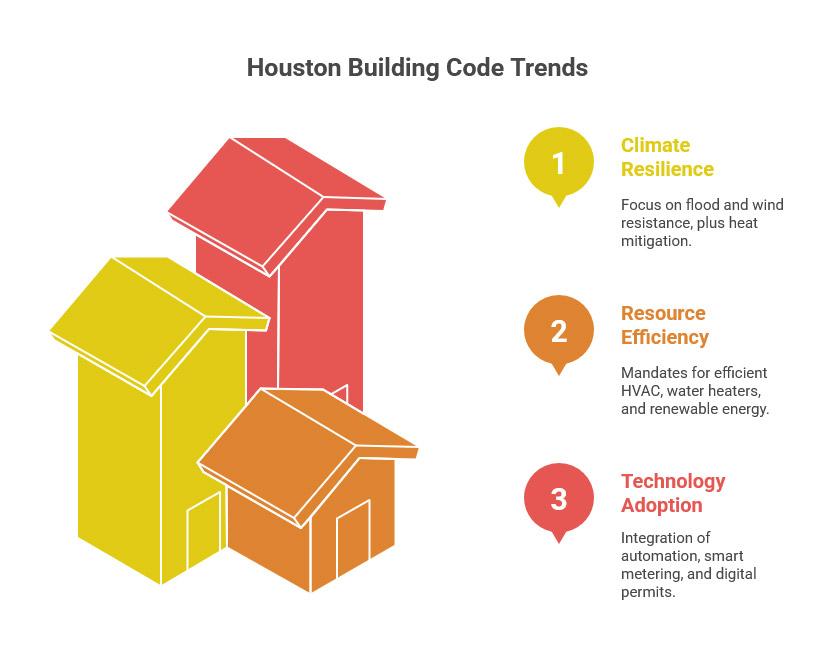
Emerging Trends Affecting Houston
Climate-Related Requirements:
Houston’s vulnerability to flooding and hurricanes will drive future code emphasis on:
- Enhanced flood-resistant construction in areas like Meyerland (77096) and Kingwood (77339)
- Stronger wind resistance throughout the metro area
- Heat island mitigation through cool roof requirements
Energy and Water Efficiency:
Despite Governor Abbott’s 2023 veto of Senate Bill 2453, municipal adoptions continue advancing efficiency standards. Future codes will likely mandate:
- Heat pump water heaters
- High-efficiency HVAC with advanced controls
- Solar-ready and battery-ready infrastructure
- Greywater systems and rainwater harvesting
Technology Integration:
- Building automation systems
- Advanced utility metering
- Digital permitting processes
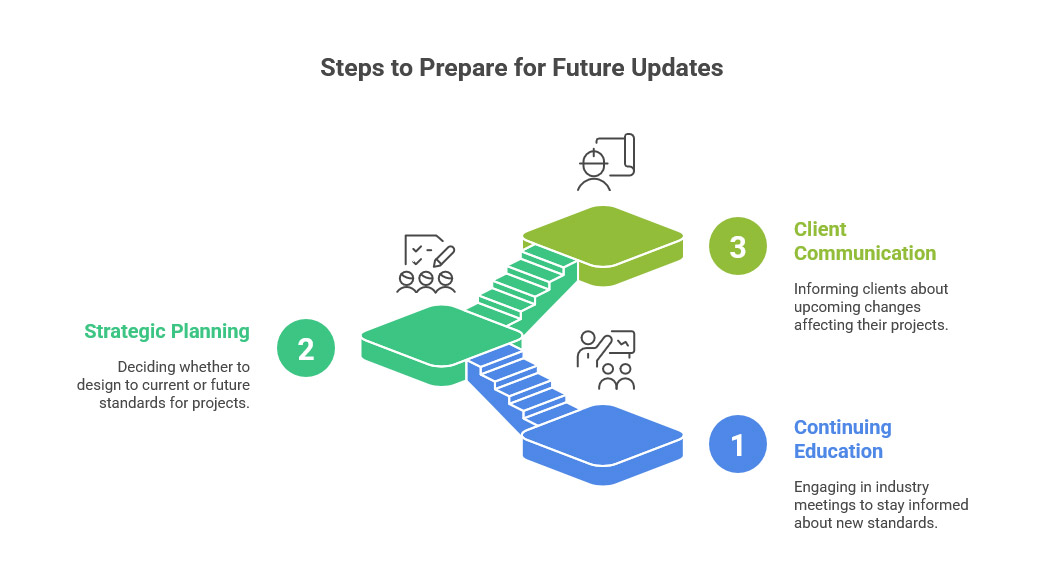
Preparing for Future Updates
When providing remodeling services throughout Houston, we’re preparing by:
Continuing Education: Active participation in Houston ICC Chapter meetings and stakeholder sessions
Strategic Planning: For projects in areas like Sugar Land (77479) or Cypress (77433), discussing whether to design to current or anticipated future standards
Client Communication: Informing property owners about upcoming changes affecting project budgets and timelines

What This Means for Property Owners
Current Projects (2025-2026): Will operate under 2021 codes
Mid-Range Projects (2027-2028): May encounter code transitions—timing is critical
Long-Term Investments: Consider designing to the anticipated 2024 or 2027 standards to future-proof your property
For remodeling services across Houston’s diverse markets—from downtown high-rises (77002) to suburban homes in Pearland (77584)—staying informed about code evolution is essential. At Houston Builders, we monitor these developments to deliver projects that meet today’s requirements while anticipating tomorrow’s standards.
As a long-time Houston builder and remodeling professional, I’ve guided countless clients through the sometimes confusing world of construction permits. Whether planning a simple renovation in Spring Branch or breaking ground on a new commercial development in the Energy Corridor, understanding Houston’s permit requirements is crucial to your project’s success.
Why Permits Matter in Houston’s Construction Landscape
Houston’s unique approach to development—operating without comprehensive zoning but with robust building codes—makes permit navigation particularly important. In my 20+ years leading Houston Builders, I’ve watched the city evolve its permit requirements to maintain safety while accommodating rapid growth.
“The most expensive permit is the one you didn’t get. Trust me, I’ve seen the consequences of proceeding without proper documentation—it always costs more in the end, both in time and money.” – Joe G.
In 2024, Houston adopted updated construction codes, making this guide especially relevant for anyone considering a building project. As a provider of comprehensive remodeling services throughout the Greater Houston area, I can tell you that staying current on permit requirements is non-negotiable for successful projects.
Houston’s 2024 Construction Code Updates: What You Need to Know
Recent Code Modernization
On January 1, 2024, Houston implemented significant updates to its construction codes. This modernization included adopting:
- 2021 International Building Code (with Houston Amendments)
- 2021 International Residential Code (with Houston Amendments)
- 2021 International Fire Code (with Houston Amendments)
- 2021 International Existing Building Code (with Houston Amendments)
- 2021 Uniform Mechanical Code (with Houston Amendments)
- 2021 Uniform Plumbing Code (with Houston Amendments)
- 2021 Swimming Pool and Spa Code (with Houston Amendments)
- 2023 National Electrical Code (State Mandated)
- 2021 International Energy Conservation Code (with Houston Amendments)
These updates have significant implications for construction and remodeling services in Houston, particularly for energy-efficiency requirements, safety standards, and building practices.
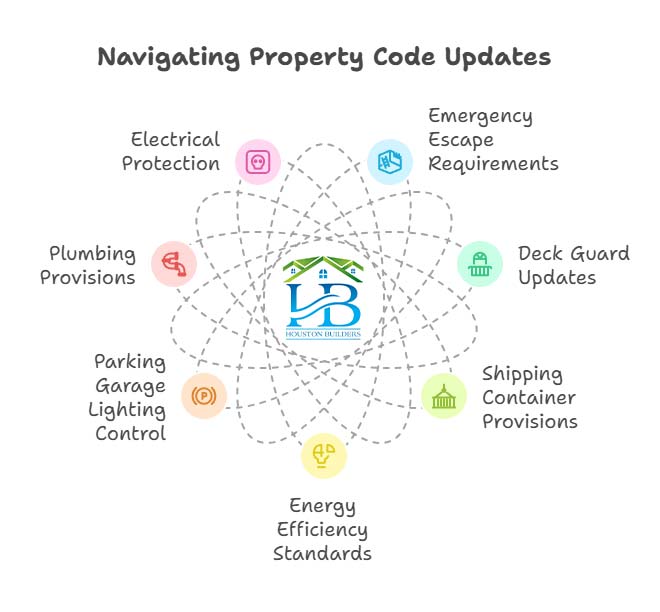
Key Changes Affecting Property Owners
Some notable changes that might affect your project include:
- New requirements for emergency escape and rescue openings
- Updates to exterior deck guard requirements
- New provisions for using shipping containers as buildings
- Enhanced energy efficiency standards for homes (average 8.9% energy savings)
- New requirements for parking garage lighting control
- Updates to plumbing provisions for leak detection and backflow prevention
- Expanded GFCI and AFCI protection requirements for electrical systems
If you’re planning a project in neighborhoods such as The Heights (77008), River Oaks (77019), or Montrose (77006), it’s essential to work with an experienced contractor who understands the latest code updates.
When Do You Need a Permit in Houston?
Residential Projects Requiring Permits
Most homeowners are surprised by how many projects legally require permits. Here’s a basic rundown:
| Project Type | Permit Required? | Notes |
|---|---|---|
| Bathroom remodel | Yes | If changing plumbing/electrical |
| Kitchen remodel | Yes | If changing plumbing/electrical |
| Room addition | Yes | Always required |
| Garage conversion | Yes | Always required |
| Deck/patio (over 30″ height) | Yes | Safety regulations apply |
| Fence (over 8′ tall) | Yes | Height restrictions vary by area |
| Window replacement | Sometimes | Required if changing size/location |
| Roof replacement | Yes | Required for structural changes |
| Interior non-structural changes | Sometimes | Depends on scope |
| Plumbing changes | Yes | Always required |
| Electrical changes | Yes | Always required |
| HVAC replacement | Yes | Always required |
| Driveway expansion | Yes | City right-of-way concerns |
| Demolition | Yes | Always required |
When providing remodeling services in areas like Katy (77494), Memorial (77024), or Clear Lake (77062), we always start with a permit check to ensure compliance.
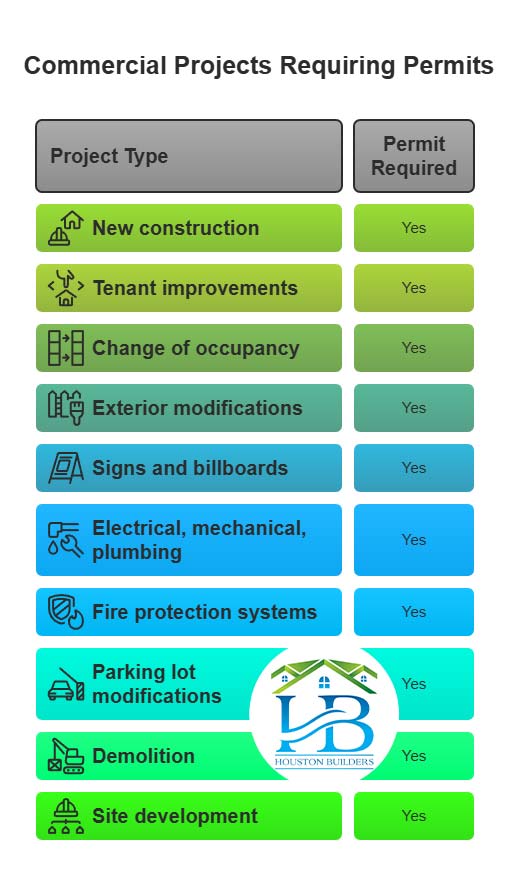
Commercial Projects Requiring Permits
Commercial projects almost always require permits, including:
- New construction
- Tenant improvements
- Change of occupancy
- Exterior modifications
- Signs and billboards
- Electrical, mechanical, or plumbing work
- Fire protection systems
- Parking lot modifications
- Demolition
- Site development
Due to high-density development patterns, permit requirements can be particularly complex for businesses in the Galleria area (77056), Downtown Houston (77002), or the Energy Corridor (77079).
Exemptions from Building Permits
Some projects don’t require building permits, including:
- Painting, papering, tiling, carpeting, and similar finish work
- Temporary motion picture/theater sets
- Window awnings supported by exterior walls (in some residential settings)
- Movable fixtures, cases, and counters under 5’9″ height
- Sidewalk and driveway repairs (if not in the city right-of-way)
- Minor plumbing repairs like fixing leaks or replacing fixtures (without changing pipes)
However, I always recommend checking with the Houston Permitting Center before assuming an exemption. Our remodeling services team can also help determine if your project needs permits.
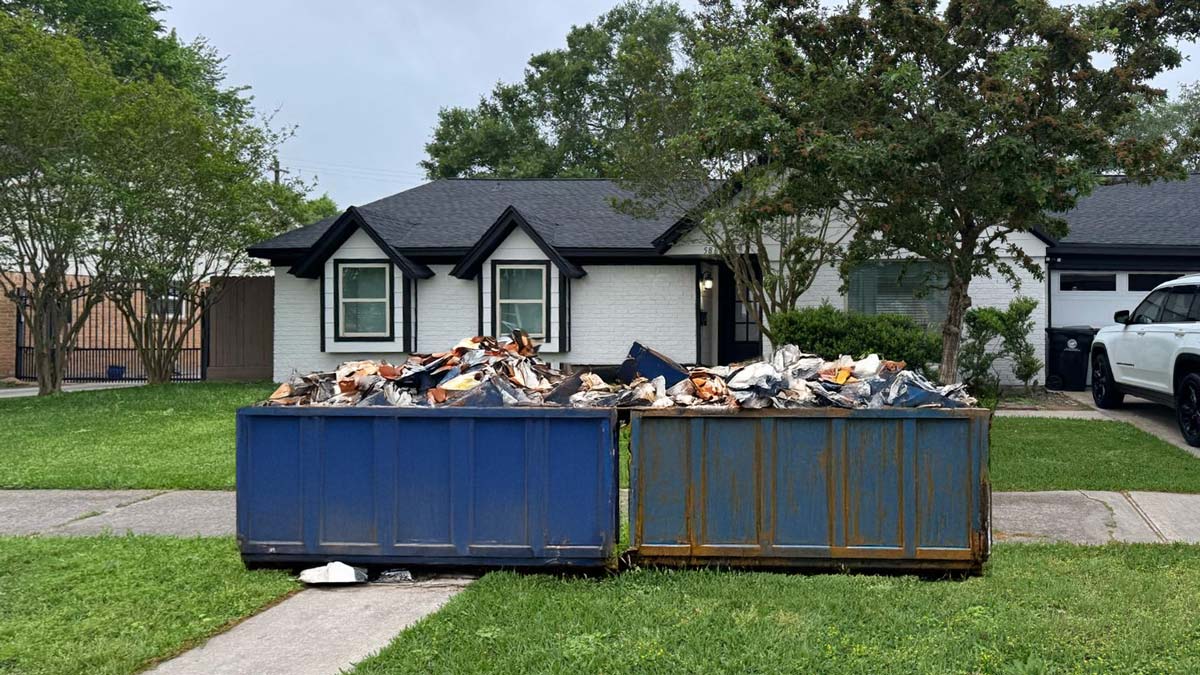
The Houston Permitting Process: Step-by-Step
1. Plan Development and Pre-Application Consultation
Before submitting anything, develop detailed plans and consider a pre-application consultation, especially for complex projects. This consultation can save significant time on residential projects in areas such as Spring Branch (77055) or The Woodlands (77381).
2. Submit Application and Plans
You’ll need to submit:
- Completed application forms
- Construction documents/plans
- Site plan showing property boundaries and structure locations
- Structural calculations (if applicable)
- Energy compliance documentation
- Other supporting documents as required
Applications can be submitted online through the Houston Permitting Center’s portal or in person at 1002 Washington Avenue.
3. Plan Review
The city will review your application for compliance with:
- Building codes
- Floodplain regulations
- Fire safety requirements
- Structural integrity
- Energy code compliance
- Health department requirements (if applicable)
The review timeline varies based on project complexity and the department’sccurrent workload For typical remodeling services projects, expect:
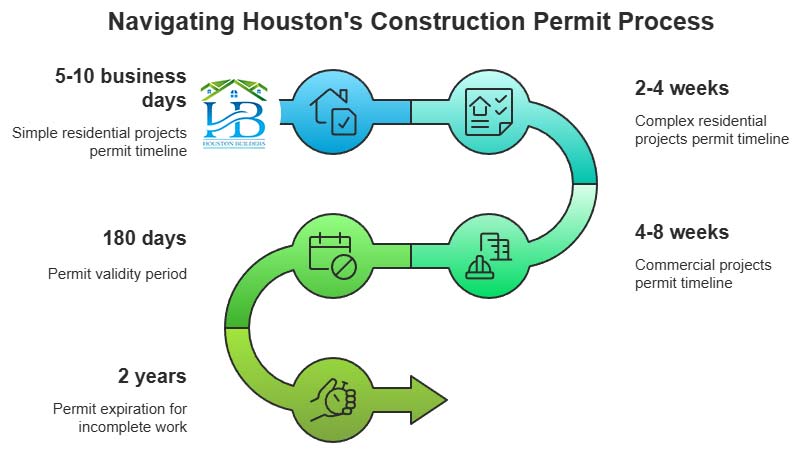
- Simple residential: 5-10 business days
- Complex residential: 2-4 weeks
- Commercial: 4-8 weeks
4. Revisions (If Required)
You must revise and resubmit if your plans don’t meet code requirements. This is where working with experienced professionals can save time—at Houston Builders, our pre-submission review catches most issues before they become problems.
5. Permit Issuance
Once approved, you’ll pay permit fees and receive your permit. These must be displayed on the job site throughout construction.
6. Inspections
Construction requires inspections at key stages:
- Foundation inspection
- Framing inspection
- Mechanical, electrical, plumbing (MEP) inspections
- Insulation inspection
- Final inspection
Failing to schedule required inspections can result in penalties and may require the removal of completed work to allow proper inspection.
7. Certificate of Occupancy or Compliance
A Certificate of Occupancy is required before the space can be legally occupied for new construction and commercial renovation. A Certificate of Compliance may be issued upon final inspection approval for smaller residential projects.
Understanding Houston’s Permit Fee Structure
Residential Permit Fees
Houston uses a tiered Fee structure based on project type, size, and valuation. As of 2025, fees include:
- Administrative Fee: $33.10
- Minimum Fee for most Building Code Enforcement permits: $89.81
- Minimum Fee for plumbing permits: $96.22
Residential permit fees are typically calculated based on square footage. The city offers discounts for affordable housing:
- 50% discount on permit fees for homes 1,800 square feet or less
- This provides approximately $543 in savings per residential permit
During the consultation phase, we provide detailed Fee estimates for our clients’ remodeling services in areas such as Sugar Land (77479) and Pearland (77584).
Commercial Permit Fees
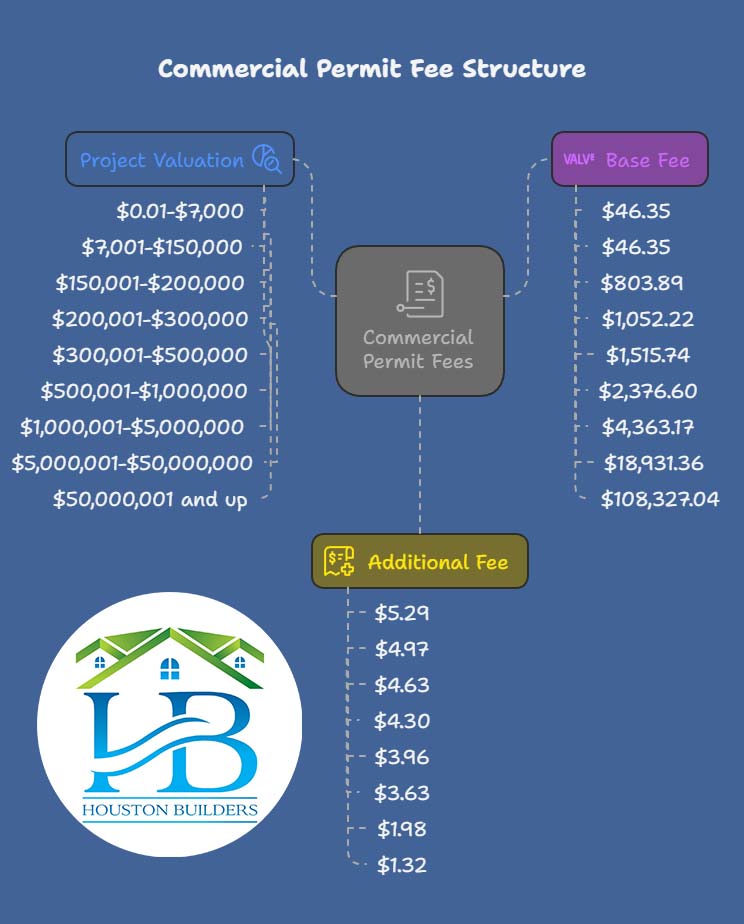
Commercial permits use a valuation-based calculation that scales with project cost:
- $0.01-$7,000: $46.35
- $7,001-$150,000: $46.35 for the first $7,000 plus $5.29 for every additional $1,000
- $150,001-$200,000: $803.89 for the first $150,000 plus $4.97 for every additional $1,000
- $200,001-$300,000: $1,052.22 for the first $200,000 plus $4.63 for every additional $1,000
- $300,001-$500,000: $1,515.74 for the first $300,000 plus $4.30 for every additional $1,000
- $500,001-$1,000,000: $2,376.60 for the first $500,000 plus $3.96 for every additional $1,000
- $1,000,001-$5,000,000: $4,363.17 for first $1,000,000 plus $3.63 for every additional $1,000
- $5,000,001-$50,000,000: $18,931.36 for first $5,000,000 plus $1.98 for every additional $1,000
- $50,000,001 and up: $108,327.04 for first $50,000,000 plus $1.32 for every additional $1,000
Additional fees may apply for specialized permits, reinspections, or expedited reviews.
Special Permit Considerations in the Houston Area
Flood-Prone Areas
Houston’s flood history has led to stricter building requirements in flood-prone areas. If your property is in or near a floodplain in areas like Meyerland (77096) or Kingwood (77339), you’ll need to:
- Submit elevation certificates
- Possibly elevate new construction or substantial improvements
- Implement specific flood mitigation measures
- Comply with Chapter 19 of the City Code for floodplain management
These additional requirements often increase complexity and cost for new construction and remodeling projects.
Historic Districts
If your property is in one of Houston’s historic districts, additional permits and approvals are required:
- Certificate of Appropriateness from the Houston Archaeological and Historical Commission
- Compliance with landmark district design guidelines
- Possible public hearings for significant changes
This affects properties in areas such as The Heights (77008), Old Sixth Ward (77007), and the Houston Heights East, West, and South historic districts.
Airport Zones
Properties near Houston’s airports (Bush Intercontinental, Hobby, or Ellington) may have:
- Height restrictions
- Noise attenuation requirements
- Special permitting needs
This is particularly relevant in areas such as Humble (77338) near Bush Intercontinental Airport or Clear Lake (77062) near Ellington Airport.
Common Permitting Mistakes to Avoid
After decades in the construction industry, I’ve seen countless permitting mistakes. Here are the most common ones:
1. Starting Work Without Proper Permits
This is the most frequent and costly mistake. Working without permits can result in:
- Stop work orders
- Penalty fees (often doubled permit costs)
- Demolition of completed work
- Difficulty selling the property later
In extreme cases, unpermitted work can lead to insurance denials and later issues.
2. Incorrect Valuation on Permit Applications
Undervaluing a project to save on permit fees can backfire. The city may:
- Reject the application
- Reassess the valuation
- Impose penalties
- Delay your project
Always provide an honest valuation based on realistic construction costs.
3. Inadequate or Incomplete Plans
Plans that lack sufficient detail will be rejected, causing delays. For our remodeling services clients, we ensure plans include:
- Complete dimensions
- Material specifications
- Structural details
- Mechanical, electrical, and plumbing plans
- Energy code compliance documentation
4. Missing Required Inspections
Each permit requires specific inspections at various stages. Missing these can result in:
- Having to remove completed work for inspection
- Penalty fees
- Project delays
- Potential legal issues when selling
5. Not Understanding Code Requirements
Projects often encounter revisions and delays due to a lack of a thorough understanding of building codes. This is why working with experienced contractors who provide comprehensive remodeling services is invaluable.
Working with a Contractor vs. Pulling Permits Yourself
When to DIY Permits
Property owners can legally pull their permits for many projects. This might make sense if:
- You’re working on your primary residence
- You understand construction requirements
- You have time to navigate the process
- The project is relatively simple
- You’ll be personally supervising all work
When to Work with a Professional
For most significant projects, having a professional handle permitting is advisable, especially when:
- The project is complex or large-scale
- You’re unfamiliar with building codes
- Time is a primary consideration
- Multiple trades are involved
- The property is in a designated specialty zone (historic, floodplain, etc.).
At Houston Builders, our remodeling services include comprehensive permit management. For clients in Cypress (77433), Bellaire (77401), or Friendswood (77546), this often saves weeks of frustration and prevents costly mistakes.
The Cost of Non-Compliance: Why Permits Aren’t Optional
Working without required permits might seem tempting to save time or money, but the consequences can be severe:
Financial Consequences
- Double or triple permit fees when caught
- Fines of up to $500 per day for each violation in some cases
- Costs to remove and reconstruct non-compliant work
- Reduced property value
- Potential denial of insurance claims
Legal Consequences
- Stop work orders
- Liens against the property
- Difficulty selling the property
- Liability for non-compliant work
- Potential legal action from subsequent property owners
Safety Consequences
Most importantly, permit requirements exist for safety reasons. Unpermitted work may:
- Create fire hazards
- Compromise structural integrity
- Result in dangerous electrical or plumbing installations
- Void equipment Processies
- Create health risks due to improper ventilation or materials
Expediting the Permit Process: Tips from a Pro
After years of providing remodeling services throughout Houston, I’ve developed strategies to make the permitting process smoother:
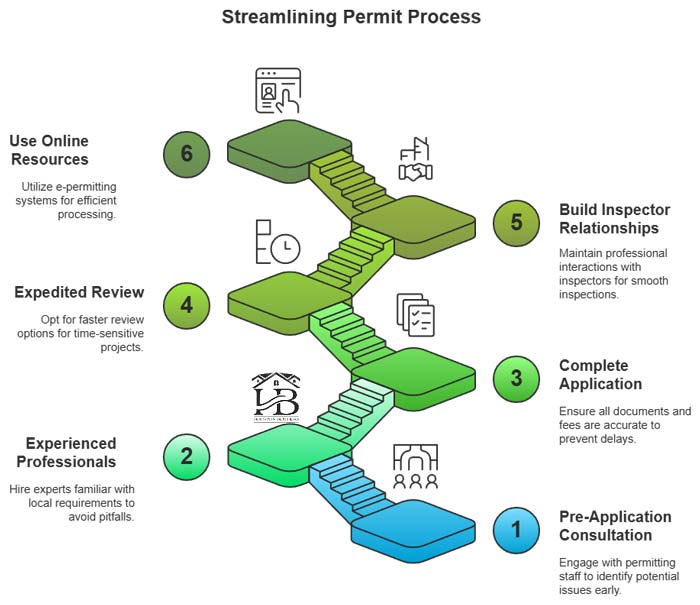
1. Pre-Application Consultation
For complex projects, schedule a pre-application meeting with the permitting staff. They can identify potential issues before you submit formal plans.
2. Use Experienced Professionals
Work with architects, engineers, and contractors with experience in Houston’s specific requirements. Their knowledge can prevent common pitfalls.
3. Submit Complete, Detailed Applications
Ensure your application includes all required documentation, detailed plans, and correct Fee calculations. Incomplete applications are the most common reason for delays.
4. Consider Expedited Review
For time-sensitive projects, Houston offers expedited review options for additional fees. This can reduce review time by 50% or more.
5. Build Relationships with Inspectors
Professional, respectful interactions with inspectors go a long way. When providing remodeling services, we ensure our job sites are clean, organized, and ready for inspection, which helps maintain positive relationships.
6. Use Online Resources
Houston’s e-permitting system allows for online applications, Fee payments, and inspection scheduling, which can significantly reduce processing time.
Resources for Houston Property Owners
For those navigating the permit process, these resources can be invaluable:
Houston Permitting Center
Location: 1002 Washington Avenue, Houston, TX 77002 Website: www.houstonpermittingcenter.org Phone: 832-394-9000
The central hub for all permitting activities in Houston. They offer:
- In-person consultation
- Online permit applications
- Fee calculators
- Code information
Houston Public Works
Website: www.publicworks.houstontx.gov Phone: 832-395-2500
Provides information on infrastructure requirements, right-of-way permits, and drainage regulations.
Houston Planning & Development Department
Website: www.planning.houstontx.gov Phone: 832-393-6600
Offers guidance on development regulations, historic preservation, and platting requirements.
Houston Fire Department
Website: www.houstontx.gov/fire Phone: 832-394-6700
Provides information on fire code requirements and permits for fire protection systems.
Frequently Asked Questions About Houston Construction Permits
Over the years, providing construction and remodeling services throughout Houston, I’ve heard many of the same questions from clients. Here are answers to the 20 most common questions about Houston’s construction permit process:
General Permit Questions
1. How long does getting a permit in Houston typically take?
Timeframes vary significantly based on project complexity and the department’s current workload. For simple residential projects, expect 5-10 business days. More complex residential projects may take 2-4 weeks, while commercial projects typically take 4-8 weeks. These timelines may extend further during peak construction seasons (spring and summer).
2. Can I start work before my permit is approved?
No. Starting construction before permit approval is against city regulations and can result in stop-work orders, penalties, and potentially the removal of completed work. The only exception is emergency repairs to prevent immediate danger to life or property.
3. How long is my permit valid once issued?
Houston construction permits are valid for 180 days from issuance or from the last approved inspection, whichever is later. They become inactive if work hasn’t commenced within 180 days or is suspended for 180 days. If work hasn’t been completed, permits expire after two years.
4. What should I do if my project changes after issuing the permit?
You must submit revised plans showing the changes and obtain approval before proceeding with the modified work. Minor changes may be approved quickly, while significant changes may require a complete review.
5. Do I need a permit for emergency repairs?
Emergency repairs to prevent immediate danger can be performed without prior permitting, but you must apply for a permit on the next business day. Document the emergency conditions with photos before making repairs.
Residential Project Questions
6. Do I need a permit to replace my roof in Houston?
Yes, replacing a roof requires a permit in Houston. The permit ensures the new roof meets current code requirements for wind resistance, which is essential in our hurricane-prone region. Properties in areas such as Memorial (77024) or Clear Lake (77062) may have specific requirements due to proximity to flood zones.
7. Do I need a permit for a kitchen or bathroom remodel?
Yes, most kitchen and bathroom remodels require permits, especially if you’re changing plumbing or electrical, or removing/adding walls. Even simple updates, such as moving a sink or adding outlets, require proper permitting.
8. Can I build a detached garage or shed without a permit?
Structures over 200 square feet require a permit. Even smaller structures may require permits depending on their use, location on the property, and utility connections. Neighborhood structures like River Oaks (77019) or The Woodlands (77381) may also be subject to HOA restrictions beyond city requirements.
9. Do I need a permit to replace my windows?
If you’re replacing windows with the same size and type in the exact location, you typically don’t need a permit. However, a permit is required to change the size, location, or kind (especially in load-bearing walls). Historic districts, such as The Heights (77008), have additional requirements.
10. Do I need a permit to replace my HVAC system?
Yes, replacing HVAC equipment requires a mechanical permit. This ensures the system is appropriately sized and installed, and that it meets current energy-efficiency requirements. Improper HVAC installation is one of the most common issues we address in our remodeling services.
Commercial Project Questions
11. Do I need a permit for interior commercial renovations?
Yes, most commercial interior renovations require permits, even if they’re primarily cosmetic. This includes tenant improvements, changes to electrical or plumbing systems, and modifications that affect egress paths or occupant capacities.
12. What’s involved in getting a Certificate of Occupancy?
A Certificate of Occupancy (CO) requires passing final inspections of all building systems, compliance with fire safety requirements, and, in some cases, health department approval. For commercial spaces in areas like the Galleria (77056) or Downtown (77002), additional accessibility inspections may be required.
13. Do I need special permits for restaurant construction?
Yes, restaurants require additional permits beyond standard construction permits, including health department approvals, grease trap permits, and, in many cases, specific ventilation requirements. Working with contractors experienced in restaurant construction is essential.
14. How do I handle permitting a change of use in a commercial building?
Change-of-use permits require demonstrating that the new use complies with current building codes, which may necessitate upgrades to fire protection systems, accessibility features, parking, and utility services. This is particularly important in mixed-use neighborhoods such as Montrose (77006) and EaDo (77003).
15. Are there expedited options for commercial permits?
Yes, Houston offers expedited review services for commercial projects for an additional Fee. This can significantly reduce permitting timelines for time-sensitive projects in business districts like the Energy Corridor (77079).
Technical and Process Questions
16. Who can pull permits in Houston?
Property owners can obtain permits for work on their primary residence. Licensed contractors or authorized agents must obtain licenses for other properties. We handle all permitting as part of our comprehensive service package for remodeling.
17. What inspections will I need during my project?
Typical inspections include foundation, framing, mechanical/electrical/plumbing rough-in, insulation, and final inspections. Commercial projects and specific residential work may require additional specialized inspections.
18. What happens if I fail an inspection?
If you fail an inspection, the inspector will provide a list of corrections needed. Once these are addressed, you must schedule a reinspection (which may incur additional fees). Multiple failed inspections can significantly delay your project timeline.
19. How do I know if my property is in a flood zone, and how does that affect permitting?
You can check your property’s flood zone status using FEMA’s flood map service or the Harris County Flood Control District website. Properties in flood zones, especially in areas like Meyerland (77096) or Kingwood (77339), have additional permitting requirements, including elevation certificates and compliance with Chapter 19 of the City Code.
20. What are the consequences of not getting the required permits?
Unpermitted work can result in stop-work orders, penalty fees (often double the original permit cost), the requirement to demolish completed work, difficulty selling the property, insurance claim denials, and potential legal liability. I’ve seen homes in Bellaire (77401) and West University (77005) face significant challenges during resale due to unpermitted additions or renovations.
Texas Construction Penalties and Fees: What Houston Builders Need to Know
Understanding the Cost of Non-Compliance
As the owner of Houston Builders offering Remodeling Services throughout Houston’s diverse ZIP codes, including 77002, 77005, 77024, 77056, and 77027, I’ve learned that understanding construction penalties and fees isn’t just good business—it’s essential for survival in our industry. The financial consequences of code violations can quickly erode profit margins and damage your reputation.
“In construction, knowing the penalties is as important as knowing the codes themselves. One mistake can cost thousands in fines and weeks of project delays.” – Joe, Houston Builders
State-Level Regulatory Penalties in Texas
Texas Department of Licensing and Regulation (TDLR) Sanctions
When providing Remodeling Services across Houston neighborhoods, we must know the TDLR’s strict penalty structure, particularly for specialized projects.
Industrialized Housing and Buildings (IHB) Penalties
The TDLR enforces penalties for violations related to industrialized housing under the Texas Occupations Code, Chapter 1202:
| Violation Class | First Offense | Second Offense | Third Offense |
|---|---|---|---|
| Class A | Reprimand to $1,000 | $500 to $2,000 | $1,000 to $4,000 per day and/or suspension |
These violations include failing to notify the Department of name, address, ownership, or module transfers within required timeframes—paperwork issues that can easily arise during busy periods when providing Remodeling Services in areas like West University (77005) or Memorial (77024).
Architectural Barriers Violations
For projects requiring accessibility compliance, particularly in commercial Remodeling Services in Downtown Houston (77002):
| Violation Class | First Offense | Second Offense | Third Offense |
|---|---|---|---|
| Class A | $500 to $3,000 | $1,500 to $4,000 | $2,500 to $5,000 |
These violations include failure to pay inspection fees, submit plans, have projects inspected, or comply with Texas Accessibility Standards—critical considerations for commercial renovations in the Galleria area (77056).
Elevator and Escalator Violations
Building owners face penalties for elevator and escalator violations under the Texas Health & Safety Code, Chapter 754:
| Violation Class | First Offense | Second Offense | Third Offense |
|---|---|---|---|
| Class A (per unit) | Up to $1,000 | $500 to $2,000 | $1,000 to $3,000 |
Unlicensed Contractor Penalties
When offering Remodeling Services in upscale areas like Highland Village (77027), proper licensing is crucial:
- Courts can impose fines up to $5,000 as an alternative to jail or in addition to imprisonment
- Consumers may recover money paid to unlicensed contractors
- Clients may be relieved of contractual payment obligations
Municipal Code Enforcement Penalties in Houston
Civil Penalties for Building Code Violations
When providing Remodeling Services throughout Houston, the municipal penalties can vary significantly:
- Up to $1,000 per day per violation for standard properties
- Limited to $10 per day per violation if the property is the owner’s lawful homestead
These penalties apply to violations such as:
- Failure to repair, remove, or demolish structures deemed dangerous
- Failure to comply with municipal orders regarding substandard buildings
- Violations of minimum standards for buildings
Municipal Fines for Code Violations
Different Texas municipalities establish their penalty schedules:
- Texas City: Fines range from $10 to $2,000 upon conviction, with each day of non-compliance constituting a separate offense
- Fort Worth: Civil penalties up to $1,000 per day per violation (standard properties) or $10 per day per violation (homestead properties)
Construction Zone Violations
When our Remodeling Services require work zones that affect traffic, these enhanced penalties apply:
- Speeding fines are doubled in work zones
- Fines can reach $1,000 if construction workers are present
- Fines for tailgating in construction zones amount to $200
- Speeding that contributes to an accident in a work zone can result in fines exceeding $2,000
Building Permit and Inspection Fees
Plan Review and Inspection Fees
When budgeting for Remodeling Services, we account for the TDLR’s Fee structure for plan reviews and inspections:
| Construction Cost | Plan Review Fee | Inspection Fee |
|---|---|---|
| Up to $1 million | $400 | $400 |
| $1 million to $5 million | $600 | $600 |
| $5 million to $10 million | $800 | $800 |
Municipal Building Permit Fees
Texas City Building Permit Fees:
| Construction Value | Fee Structure |
|---|---|
| $0-$1,000 | $15.00 |
| $1,001-$50,000 | $15.00 for the first $1,000 plus $5.00 for each additional thousand |
| $50,001-$100,000 | $260.00 for the first $50,000 plus $4.00 for each additional thousand |
Town of Fairview Fees:
- Plan review: $75.00
- Minimum Fee: $100.00
- 150′ and over: +$0.65/sq. Ft.
- Additional fees for concrete pads, electricity, running water, and related services.
Important Legislative Note for Residential Projects
House Bill 852 (effective May 21, 2019) prohibits municipalities from determining building permit or inspection fees based on the value or cost of residential construction. This directly affects how we quote Remodeling Services to clients in neighborhoods such as West University (77005) or Memorial (77024).
Reinspection and Special Fees
Many municipalities charge additional fees that affect our Remodeling Services:
- Town of Fairview: $50.00 for the first reinspection, increasing by $25.00 increments for each subsequent reinspection
- TDLR Special Inspections: $40/hour plus travel time for inspections not covered by other fees
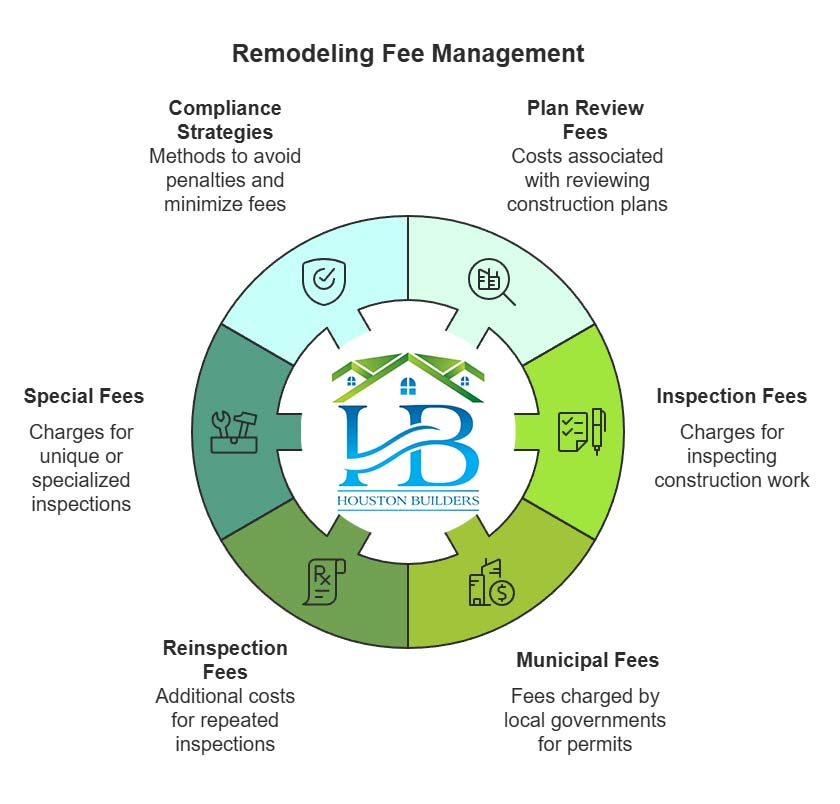
Strategies to Avoid Penalties and Minimize Fees
Proactive Compliance Approach
When providing Remodeling Services, we implement these strategies to avoid costly penalties:
- Regular Code Training: Our team stays updated on all Houston and Texas code requirements
- Thorough Pre-Project Assessment: We identify potential code issues before beginning work
- Detailed Documentation: We maintain comprehensive records of all permits, inspections, and communications
- Established Relationships: We maintain good working relationships with local building officials
- Quality Control Checks: We conduct internal inspections before official inspections
Conclusion: The Value of Proper Permitting
As a long-time provider of remodeling services in Houston, I’ve seen the difference proper permitting makes in project outcomes. While the process may seem cumbersome, it protects property owners, ensures safety, and preserves property values.
Whether you’re planning a kitchen renovation in West University (77005), adding a master suite in Kingwood (77339), or developing commercial space in the Medical Center (77030), investing time in understanding and following Houston’s permit requirements will pay dividends in project success.
At Houston Builders, we’re committed to guiding our clients through every step of the construction process, from initial design through final inspections. If you have questions about permitting for your specific project, don’t hesitate to reach out—we’re here to help navigate Houston’s construction landscape.
State-Level Resources
- Texas Department of Licensing and Regulation (TDLR)
- Main website: https://www.tdlr.texas.gov/
- Industrialized Housing and Buildings: https://www.tdlr.texas.gov/ihb/ihb.htm
- Architectural Barriers: https://www.tdlr.texas.gov/ab/ab.htm
- Elevators: https://www.tdlr.texas.gov/elevator/elevator.htm
- Texas Occupations Code
- Chapter 1202 (Industrialized Housing): https://statutes.capitol.texas.gov/Docs/OC/htm/OC.1202.htm
- Chapter 1301 (Plumbers): https://statutes.capitol.texas.gov/Docs/OC/htm/OC.1301.htm
- Chapter 1305 (Electricians): https://statutes.capitol.texas.gov/Docs/OC/htm/OC.1305.htm
- Texas Government Code
- Chapter 469 (Architectural Barriers): https://statutes.capitol.texas.gov/Docs/GV/htm/GV.469.htm
- Texas Health & Safety Code
- Chapter 754 (Elevators and Escalators): https://statutes.capitol.texas.gov/Docs/HS/htm/HS.754.htm
City of Houston Resources
- Houston Public Works
- Main website: https://www.houstonpermittingcenter.org/
- Building Code Enforcement: https://www.houstonpermittingcenter.org/building-code-enforcement
- Fee Schedule: https://www.houstontx.gov/finance/fee_schedule.html
- Houston Permitting Center
- Construction Code Information: https://www.houstonpermittingcenter.org/help/codes
- Permitting Requirements: https://www.houstonpermittingcenter.org/requirements
- City of Houston Construction Codes
- 2021 Construction Codes: https://www.houstonpermittingcenter.org/media/3866/download
- Houston Amendments: https://www.houstonpermittingcenter.org/help/code-amendments
Building Permit and Inspection Resources
- Houston Permitting Fee Calculator
- Commercial Permit Fees: https://www.houstonpermittingcenter.org/help/fee-schedules/commercial-fees
- Residential Permit Fees: https://www.houstonpermittingcenter.org/help/fee-schedules/residential-fees
- Texas Legislature
- House Bill 852 (Residential Permit Fee Legislation): https://capitol.texas.gov/BillLookup/History.aspx?LegSess=86R&Bill=HB852
Construction Industry Organizations
- Associated General Contractors (AGC) of Texas
- Texas Association of Builders
- Greater Houston Builders Association
Legal Resources for Contractors
- State Bar of Texas Construction Law Section
- https://constructionlawsection.org/
- Texas Workforce Commission
- Contractor Classification Information: https://www.twc.texas.gov/businesses/classifying-employees-independent-contractors