

If you’re planning a home renovation in Deer Park, you’re probably wondering what it’ll actually cost. The number you see online? That’s rarely what you’ll pay. Given Galveston County’s coastal building requirements, Houston’s expansive clay soils, and the realities of working near the petrochemical corridor, Deer Park remodeling presents its own set of challenges and costs that most generic pricing guides overlook.
We’ve been remodeling homes throughout Deer Park and the surrounding Harris County communities for over a decade. From starter homes near Center Street to larger properties along Spencer Highway, we’ve seen how local conditions affect every project. Here’s what you actually need to know about remodeling costs in this area, without the fluff or misleading lowball estimates you’ll find elsewhere.

What Drives Remodeling Costs in Deer Park
Deer Park sits in a unique position. You’re close enough to Houston to address expansive clay soil issues, but you’re also close enough to Galveston Bay that coastal building standards apply to specific projects. This combination means your costswon’to match what someone pays in Austin or Dallas. The soil shifts, the humidity promotes mold growth faster than in inland areas, and your permits must account for wind Load requirements that don’t exist elsewhere in Texas.
Material costs have jumped significantly in the past few years. What used to cost $45 per square foot for a basic kitchen remodel now starts at $75- $95 per square foot for similar work. Labor costs have risen, too. Skilled contractors are busier than ever, and Deer Park’s proximity to industrial facilities means we’re competing with plant maintenance budgets for qualified workers.
“Deer Park homeowners need to understand that coastal proximity affects everything from your foundation work to your exterior paint selection. We see homes less than two miles from Galveston Bay requiring different moisture barriers and ventilation strategies than homes just five miles inland. It’s not about cutting corners; it’s about building correctly for your specific location.”
One factor that separates us from typical contractors: we complete projects in half the time. While most teams quote 8-12 weeks for a kitchen remodel, we deliver high-quality work in 4-6 weeks. That’s not rushing; that’s efficient planning, experienced crews, and proper project management. Faster completion means less disruption to your life and often lower total labor costs.

Kitchen Remodeling Costs in Deer Park
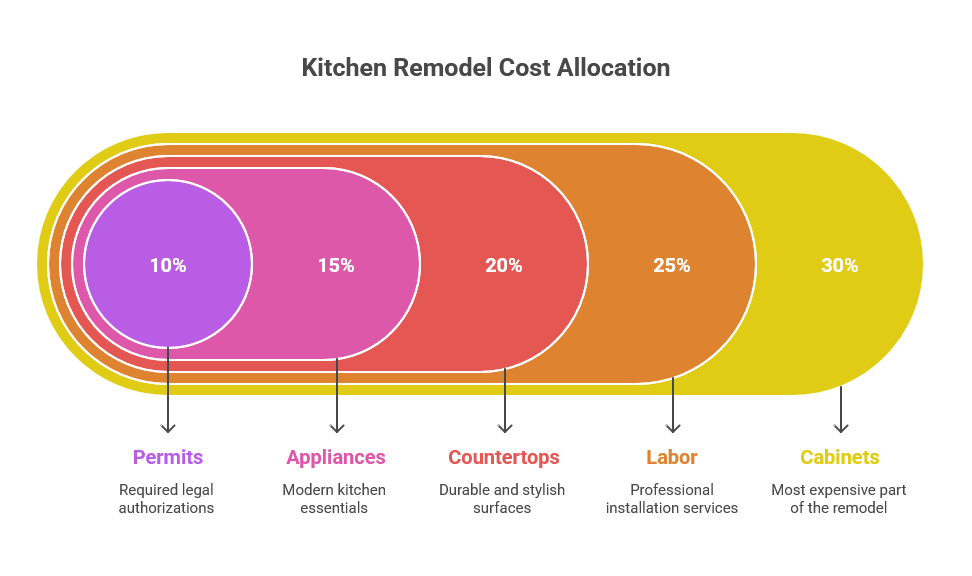
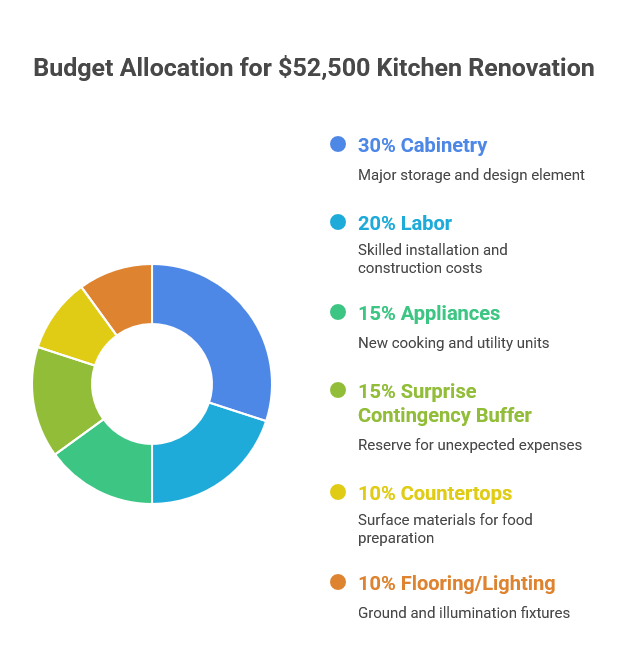
Kitchens account for the largest share of remodeling budgets, and Deer Park is no exception. A basic kitchen refresh with new countertops, cabinet refacing, and updated appliances runs $18,000-$28,000. A complete remodel where you’re moving plumbing, installing custom cabinets, and upgrading everything? You’re looking at $45,000 to $85,000 for a 150-to 180-square-foot space.
Here’s what actually goes into those numbers. Cabinet costs vary wildly. Stock cabinets from big-box stores might save you money up front, but they won’t hold up as well in Deer Park’s humidity as quality semi-custom or custom cabinets. We’ve pulled apart too many particleboard cabinets that swelled and separated after just a few years near the coast. Spending an extra $5,000-$8,000 on solid wood construction pays off when you’re not replacing them in five years.
| Kitchen Component | Budget Option | Mid-Range Option | Premium Option |
|---|---|---|---|
| Cabinets (10×12 kitchen) | $4,500-$8,000 | $12,000-$20,000 | $25,000-$45,000 |
| Countertops (30 sq ft) | $1,800-$2,700 | $3,600-$5,400 | $6,750-$10,800 |
| Appliances (full set) | $2,700-$4,050 | $5,400-$8,100 | $10,800-$20,250 |
| Flooring (150 sq ft) | $1,350-$2,025 | $2,700-$4,050 | $5,400-$8,100 |
| Lighting & Electrical | $1,350-$2,025 | $2,700-$4,050 | $5,400-$8,100 |
| Labor & Installation | $6,750-$10,125 | $13,500-$20,250 | $20,250-$33,750 |
Countertop choices matter more in coastal areas. Laminate looks fine initially, but wears faster in high-humidity environments. Quartz has become the go-to material for Deer Park kitchens because it doesn’t require sealing like granite and is more moisture-resistant than natural stone. Expect to pay $90- $135 per square foot, installed, for quality quartz. Furring of walls before installing cabinets adds another $2,500-$4,500 but creates a proper moisture barrier that protects your investment.
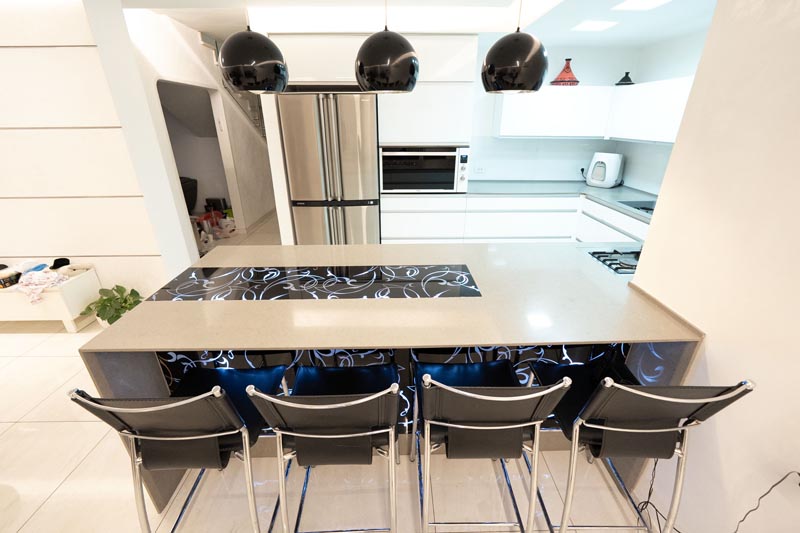
This kitchen project near Deer Park shows the level of detail that goes into a quality remodel. Notice the attention to proper ventilation and moisture management—critical factors for kitchens in our area.
“The biggest mistake I see in Deer Park kitchens is skimping on ventilation. You’re near industrial facilities, you’ve got high humidity, and cooking generates moisture. A proper range hood isn’t optional—it’s essential. I tell clients to budget at least $800-$1,500 for a quality ventilation system that’ll actually protect their investment. The $200 units from discount stores don’t move enough air for this climate.”

Bathroom Remodeling Prices
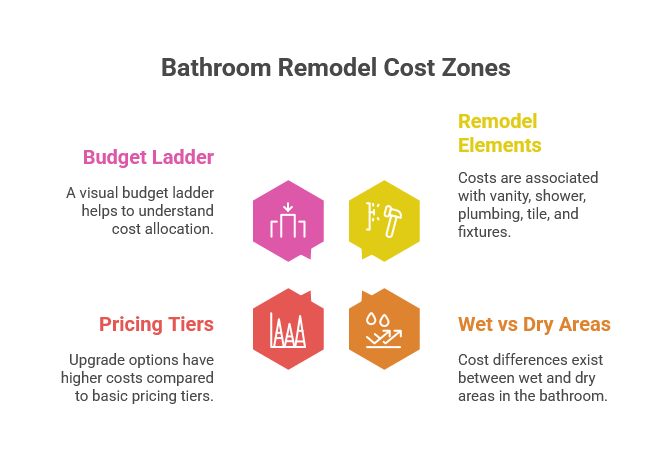
Bathrooms pack a lot of plumbing, electrical, and tile work into small spaces, which drives up per-square-foot costs. A basic bathroom refresh with new fixtures, paint, and flooring runs $8,000-$15,000. A complete gut job with moved plumbing, custom tile work, and upgraded fixtures? Plan on $22,000 to $45,000 for a standard 5×8 bathroom.
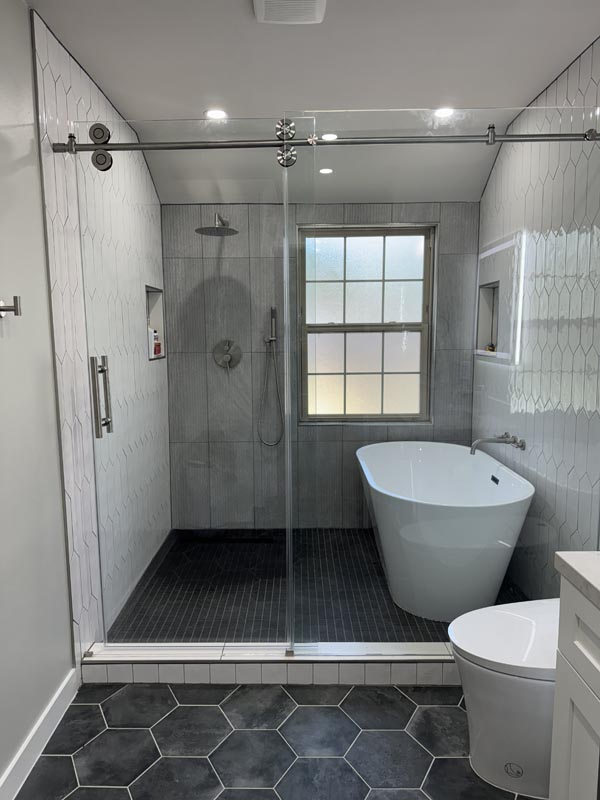
Tile selection matters significantly in Deer Park. Porcelain tile resists moisture better than ceramic and holds up longer in our humid climate. We see too many bathrooms with failing grout lines because someone chose the wrong tile or the installer didn’t properly waterproof the substrate. Investing an extra $1,500-$2,500 in a proper waterproofing membrane and high-quality tile prevents costly water-damage repairs down the road.
| Bathroom Element | Standard Cost Range | Premium Cost Range | Lifespan |
|---|---|---|---|
| Shower/Tub Installation | $2,700-$5,400 | $6,750-$13,500 | 15-25 years |
| Vanity & Countertop | $1,350-$3,375 | $4,050-$8,100 | 15-20 years |
| Tile Work (floor & walls) | $3,375-$6,750 | $8,100-$16,200 | 20-30 years |
| Plumbing Fixtures | $1,350-$2,700 | $3,375-$8,100 | 10-20 years |
| Lighting & Ventilation | $675-$1,350 | $1,688-$3,375 | 10-15 years |
| Labor & Installation | $5,400-$10,800 | $13,500-$20,250 | N/A |
Ventilation isn’t negotiable in Deer Park bathrooms. We install exhaust fans rated at 80 CFM or higher in standard bathrooms and 100+ CFM in larger spaces. Poor ventilation leads to mold growth, peeling paint, and structural damage. A quality exhaust fan costs $200-$600, and installation runs another $300-$500. That’s cheap insurance against thousands in mold remediation later.

Permit Requirements and Costs
Deer Park falls under Harris County jurisdiction for building permits, though the city has its own development standards. Any structural work, plumbing changes, electrical upgrades, or additions require permits. Permit costs typically run 1-3% of your project cost, but skipping them can cost much more if you get caught or try to sell your home.
We’ve completed projects about a mile from Deer Park City Hall, where the permit process took three weeks rather than the typical six weeks in unincorporated areas. Working with contractors who know the local inspection process saves time and headaches. Our experience with Harris County and Deer Park building departments means we know precisely what inspectors want to see, which keeps projects moving.
| Permit Type | Typical Cost | Processing Time | Required For |
|---|---|---|---|
| Building Permit | $270-$1,350 | 2-4 weeks | Structural changes, additions |
| Electrical Permit | $135-$540 | 1-2 weeks | New circuits, panel upgrades |
| Plumbing Permit | $135-$540 | 1-2 weeks | Moving fixtures, new lines |
| Mechanical Permit | $135-$405 | 1-2 weeks | HVAC work, ventilation |
| Re-Inspection Fee | $81-$135 | Same day | Failed inspections |
Galveston County requirements apply to properties near the bay or in flood zones. If you’re within a certain distance of Galveston Bay, additional wind Load calculations and flood-resistant construction methods apply. This isn’t just bureaucracy; it’s protecting your investment from hurricanes and tropical storms that regularly hit this area. We’ve handled these requirements on numerous projects and know how to build to code without unnecessary overages.
“Harris County inspectors know what proper hurricane-resistant construction looks like because they see so many projects near the coast. When we say you need upgraded tie-downs or specific flashing details, it’s not us padding the bill. It’s what’ll keep your addition attached to your house when the next tropical storm rolls through. I’ve seen too many cheap additions that didn’t follow code suffer serious damage that insurance won’t cover because the work wasn’t permitted.”

Foundation and Concrete Work
Houston’s expansive clay soils affect Deer Park, just as they do the rest of the metro area. Your foundation moves, cracks appear, and doors stick. Concrete work isn’t optional maintenance here; it’s necessary to keep your home stable. Foundation repair runs $4,500-$13,500 for typical issues, while new concrete slabs for additions cost $7-$11 per square foot installed.
We completed a foundation stabilization project less than two miles from Battleground Golf Course,e where soil movement had created a two-inch differential across the home. The repair required 16 pressed pilings and took three days, rather than the week most companies quoted. That’s the difference proper equipment and experienced crews make. The homeowners were back in their homes without a week of displacement.
| Concrete Project | Cost Range | Standard Timeline | Our Timeline |
|---|---|---|---|
| Foundation Pier Installation (per pier) | $1,350-$1,890 | 3-5 days | 1-3 days |
| Driveway (400 sq ft) | $3,240-$5,400 | 5-7 days | 3-4 days |
| Patio Slab (200 sq ft) | $1,620-$2,700 | 4-6 days | 2-3 days |
| Sidewalk (per linear foot) | $14-$22 | 3-4 days | 2 days |
| Full Re-plaster (interior walls) | $2,700-$5,400 | 7-10 days | 4-5 days |
Full replastering of exterior walls costs $3-$5 per square foot and provides essential moisture protection for homes near the coast. We use modified plaster mixes designed for high-humidity environments. Standard plaster formulations don’t hold up as well in salt air and moisture from Galveston Bay. The additional $800-$1,500 for proper materials prevents premature failure and the need for repainting.

Flooring Installation Costs
Flooring choices in Deer Park need to account for humidity and potential flooding. Hardwood looks beautiful but requires careful moisture management. Luxury vinyl plank (LVP) has become popular for its moisture resistance and realistic wood look. Tile remains the most durable option for areas prone to water exposure.
Hardwood installation runs $8-$16 per square foot for quality materials and professional installation. LVP costs $5-$10 per square foot installed, while porcelain tile ranges from $9-$18 per square foot, depending on size and pattern complexity. These prices include proper subfloor preparation, which you can’t skip in this climate.
| Flooring Type | Material Cost (per sq ft) | Installation Cost | Total Cost Range | Humidity Resistance |
|---|---|---|---|---|
| Luxury Vinyl Plank | $3-$6 | $2-$4 | $5-$10 | Excellent |
| Engineered Hardwood | $5-$10 | $3-$6 | $8-$16 | Good |
| Porcelain Tile | $4-$11 | $5-$7 | $9-$18 | Excellent |
| Carpet | $2-$5 | $1-$3 | $3-$8 | Poor |
| Solid Hardwood | $6-$14 | $4-$8 | $10-$22 | Fair |
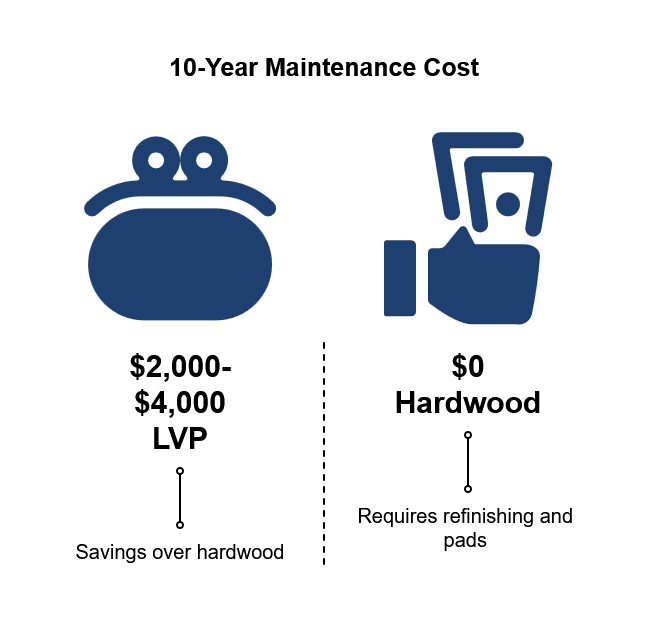
We recommend moisture barriers under all wood and laminate flooring in Deer Park. The $0.75-$1.50 per square foot for proper moisture protection prevents thousands in flooring damage from humidity and minor water intrusion. We’ve replaced too many wood floors that failed due to installers skipping this step.

Exterior Work and Roofing
Deer Park’s proximity to industrial facilities and Galveston Bay creates harsh conditions for exterior materials. Salt air accelerates corrosion, industrial emissions affect paint adhesion, and tropical storms test every component. Quality materials and proper installation aren’t optional; they’re essential for protecting your investment.
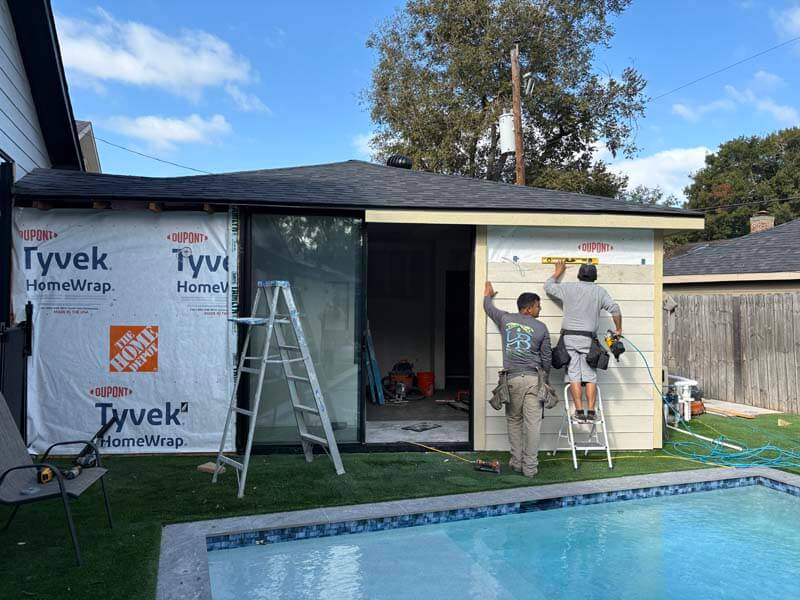
Exterior painting costs $2.50-$4.50 per square foot, including proper surface preparation and two coats of quality paint. Vinyl siding installation costs $5-$9 per square foot, while fiber cement siding (which holds up better in this climate) runs $8-$13 per square foot installed. We’ve worked on homes near the Shell Deer Park refinery where proper paint selection made the difference between five-year and ten-year paint life.
| Exterior Project | Material Options | Cost Range | Expected Lifespan |
|---|---|---|---|
| Roof Replacement (per square) | Architectural shingles | $450-$675 | 20-25 years |
| Roof Replacement (per square) | Metal roofing | $900-$1,350 | 40-50 years |
| Siding (per sq ft) | Vinyl | $5-$9 | 20-30 years |
| Siding (per sq ft) | Fiber cement | $8-$13 | 30-50 years |
| Windows (per unit) | Vinyl, double-pane | $540-$945 | 15-20 years |
| Exterior Doors | Steel or fiberglass | $675-$1,620 | 20-30 years |
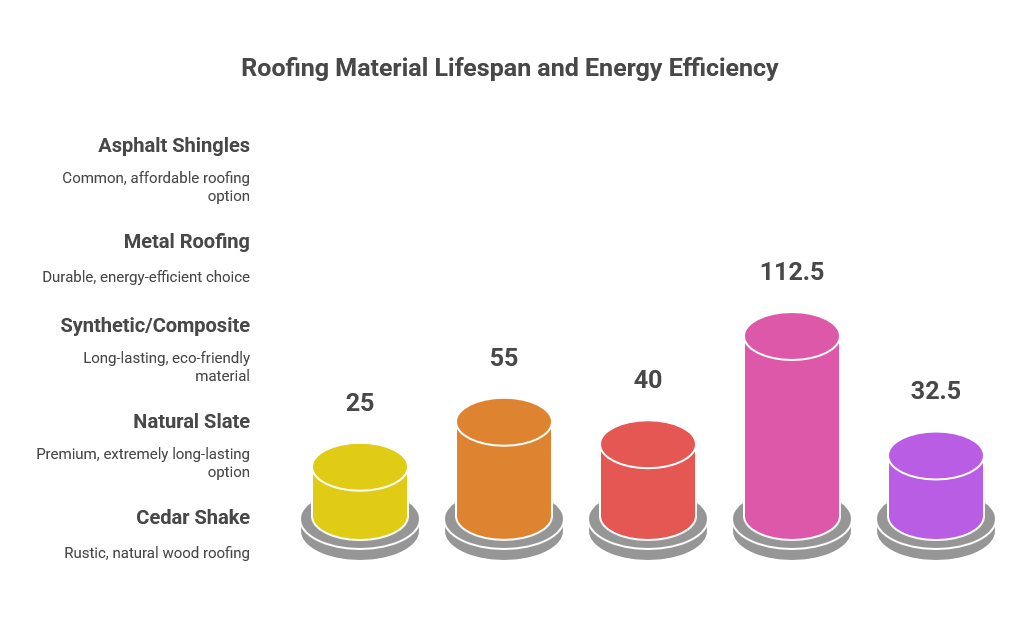
Roofing costs vary significantly based on material choice. Architectural shingles remain popular at $450-$675 per square (100 square feet), but metal roofing at $900-$1,350 per square makes economic sense when you factor in the longer lifespan and better wind resistance. We completed a roof replacement about 1.5 miles from Deer Park High School, where the homeowners chose standing-seam metal. The upfront cost was higher, but they’ll never need another roof, and their insurance company gave them a discount for impact-resistant materials.
This balcony waterproofing project demonstrates the attention to detail required for exterior work in high-humidity coastal environments like Deer Park.

Room Additions and Major Renovations
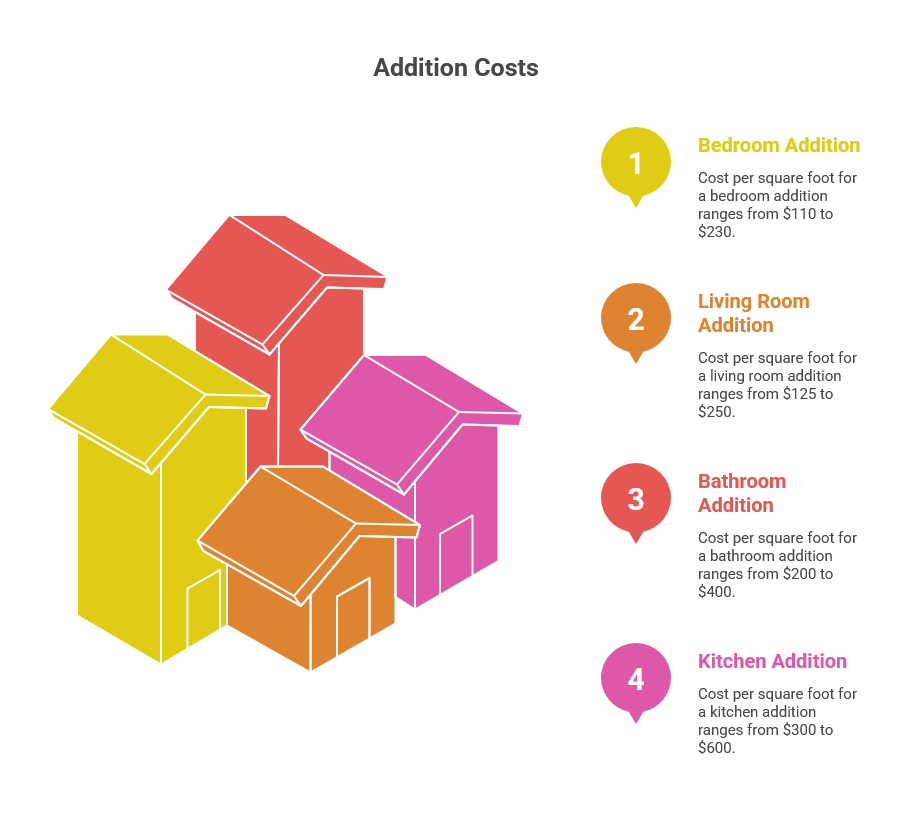
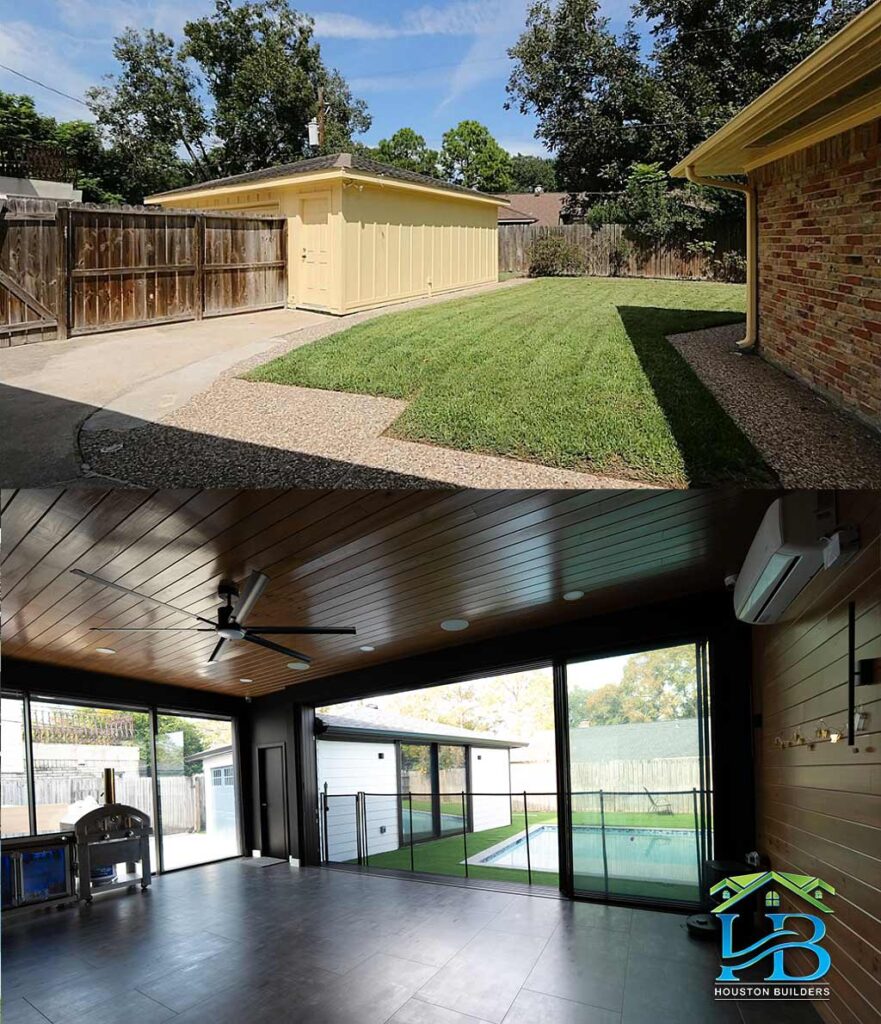
Room additions cost $135-$270 per square foot in Deer Park, depending on complexity and finishes. A basic 200-square-foot bedroom addition runs $27,000-$54,000, while a full primary suite with bathroom costs $50,000-$95,000 or more. These numbers include foundation work, framing, electrical, plumbing, HVAC extension, interior finishes, and exterior completion.
The key cost factor in additions is the need to match existing construction. We’ve done additional work near Jimmy Burke Activity Center, where matching 1970s brick veneer added $8,000 to the project because the original brick was discontinued. Foundation work for additions often requires engineering, adding $1,500-$3,500 to costs and ensuring the addition won’t settle differently from the existing structure.
| Addition Type | Size Range | Budget Tier | Mid-Range Tier | Premium Tier |
|---|---|---|---|---|
| Bedroom Addition | 150-250 sq ft | $20,250-$33,750 | $33,750-$50,625 | $50,625-$81,000 |
| Primary Suite | 300-400 sq ft | $40,500-$67,500 | $67,500-$101,250 | $101,250-$162,000 |
| Sunroom | 200-300 sq ft | $27,000-$45,000 | $45,000-$67,500 | $67,500-$108,000 |
| Second Story | 800-1200 sq ft | $108,000-$202,500 | $202,500-$283,500 | $283,500-$486,000 |
| Garage Conversion | 300-500 sq ft | $27,000-$54,000 | $54,000-$81,000 | $81,000-$135,000 |
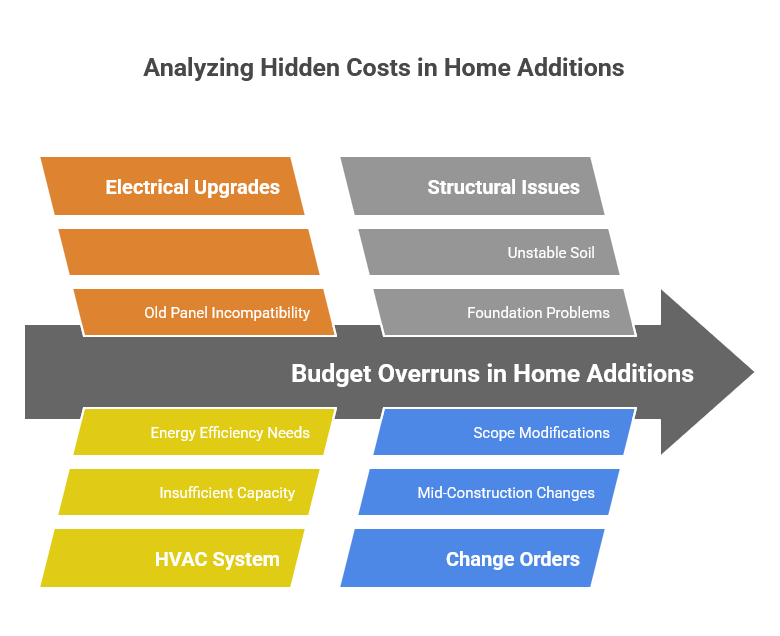
HVAC considerations add high cost to additions. Your existing system may not have sufficient capacity to accommodate additional square footage, requiring a new unit or zone system. Budget $4,500-$9,000 for HVAC work, depending on whether you’re extending existing ductwork or installing a separate system. In Deer Park’s hot, humid climate, undersizing the HVAC system s a mistake that leads to ccomfort issuesand higher energy bills.

Budget Planning and Hidden Costs
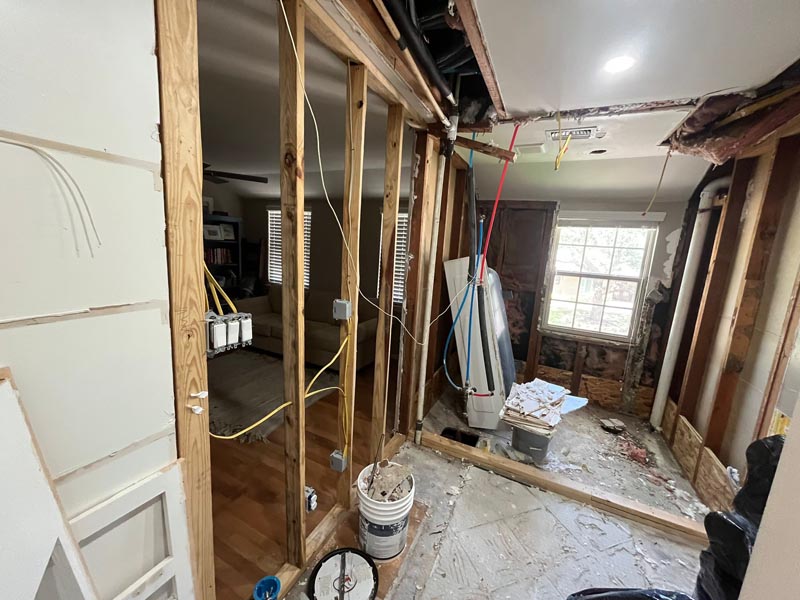
Most homeowners underestimate total project costs by 15-25%. The estimates you see online don’t include contingencies for unforeseen issues, which are common in remodeling. We recommend budgeting an additional 15-20% beyond the quoted price for unexpected problems such as hidden water damage, outdated wiring requiring replacement, or structural defects identified during demolition.
Hidden costs that surprise Deer Park homeowners include temporary housing during major renovations ($1,500-$4,500 per month), storage rental ($150-$400 per month), increased utility bills during construction ($200-$500 extra), and landscaping restoration ($1,000-$4,000) after foundation or addition work. These aren’t padding; they’re real expenses that affect your final costs.
Financing options also affect your total cost. Home equity loans typically offer better rates than credit cards or personal loans. Current rates for home equity loans range from 7% to 11%, depending on credit score and loan amount. We work with homeowners to structure projects in phases when budget constraints apply, tackling high-priority work first and scheduling the remaining work as funds allow.
Selecting Materials for Coastal Environments
Material selection in Deer Park requires understanding how coastal conditions affect performance. Standard materials that work fine inland fail prematurely near the bay. Corrosion-resistant fasteners cost 30-50% more than standard hardware but prevent structural failures. Low-VOC paints with mildewcide additives cost $45-$65 per gallon, compared with $30-$45 for standard paint, but they resist mold growth better in humid conditions.
We specify marine-grade plywood for exterior sheathing on projects within a few miles of the bay. It costs about 40% more than standard plywood but won’t delaminate when exposed to moisture. Hurricane straps and upgraded tie-downs add $500-$1,500 to framing costs but could save your addition during the next tropical storm. These aren’t upsells; they’re appropriate construction practices for this location.
“The materials I recommend for Deer Park wouldn’t necessarily be what I’d use in, say, Katy or The Woodlands. Proximity to Galveston Bay and the industrial corridor means we need to think about salt air, chemical exposure, and higher humidity levels. Spending an extra 10-15% on properly-rated materials saves thousands in premature replacement costs and protects your home during severe weather. I’ve been doing this long enough to see what fails and what lasts.”
Working With Contractors and Getting Quotes
Getting accurate quotes requires detailed specifications. Vague requests like “remodel my kitchen” produce wildly different estimates because contractors make different assumptions about scope and materials. Provide specific information about cabinet style, countertop preferences, appliance budget, and flooring choices. The more detail you give, the more accurate the quotes will be.
We provide itemized estimates breaking down materials, labor, permits, and contingencies. This transparency lets you make informed decisions about where to spend and where to save. Some contractors give single lump-sum numbers that make comparison difficult. Ask for breakdowns showing material costs, labor hours, and overhead. If a contractor won’t provide this information, that’s a red flag.
Timeline matters as much as cost. Standard contractors quote timelines that include slack for juggling multiple projects and account for typical delays. Our efficient processes mean we complete a full kitchen remodel in 4-6 weeks instead of 8-12 weeks, a bathroom in 2-3 weeks instead of 4-6 weeks, and additions in half the typical timeline. Faster completion means you’re back in your space sooner and often paying less in total labor costs.
Deer Park-Specific Considerations
Location within Deer Park affects costs and requirements. Properties in older neighborhoods near downtown may have outdated electrical systems that require panel upgrades ($1,500-$3,500) before remodeling can proceed. Homes in newer subdivisions off Beltway 8 typically have modern infrastructure but may be subject to HOA architectural review requirements, which can add 2-4 weeks to timelines.
Flood zone designation impacts foundation requirements and insurance costs. Properties in FEMA flood zones require elevated construction or flood vents, adding $3,000-$8,000 to additional fees. We handle flood zone certifications and build compliant additions that maintain your insurance eligibility and property value.
We’ve completed remodeling projects throughout the Houston metro area, and Deer Park presents unique challenges that require local experience. Contractors who primarily work elsewhere may not be familiar with local building department requirements, soil conditions, or appropriate material specifications for coastal areas. Our decade of experience in this specific market means we know what works and what fails in Deer Park’s environment.
Return on Investment for Different Projects
Not all remodeling projects return equal value at resale. Kitchen and bathroom updates typically return 60-80% of the cost in increased home value. Additions return 50-70%, depending on their integration with the existing space. Luxury upgrades such as pools or high-end landscaping may yield only 30-50% ofthee investment.
In Deer Park’s market, practical upgrades that improve functionality and efficiency provide better returns than purely aesthetic improvements. Energy-efficient windows, upgraded insulation, and modern HVAC systems appeal to buyers and reduce operating costs. These improvements often pay for themselves in energy savings before you even sell.
For homeowners planning to stay long-term, focus on improvements that enhance your daily life rather than resale value. That custom closet system or upgraded shower might not return 100% at sale, but if you use and enjoy it for ten years, the value to you exceeds the financial return.
Seasonal Timing and Weather Considerations
Project timing affects both cost and efficiency. Summer heat makes exterior work more challenging and expensive. Workers need more breaks, materials are handled differently in extreme temperatures, and concrete curing requires special attention. Fall and winter offer better working conditions and often better contractor availability, potentially reducing costs by 5-10%.
Hurricane season runs from June through November, with peak activity from August through October. Major exterior projects should be scheduled around weather patterns when possible. We’ve completed roofing and exterior work during the summer, but it requires extra attention to weather forecasts and crew scheduling. Interior remodeling can proceed year-round without significant weather-related delays.
Spring is a busy season for contractors. If you want spring completion, book in winter and expect to pay premium rates. Fall scheduling often offers better pricing and contractor attention because demand is lower. We maintain steady crews year-round, which helps us provide consistent pricing and availability regardless of season.
Insurance Claims and Storm Damage
Deer Park’s location makes storm damage a reality for many homeowners. Insurance claims require proper documentation and understanding of coverage limits. We’ve worked with dozens of insurance adjusters and know how to document damage, provide accurate repair estimates, and ensure claims get processed fairly.
Water damage restoration from storms or plumbing failures needs immediate attention. Waiting even 24-48 hours allows mold growth that complicates repairs and increases costs. Emergency response services cost more than scheduled work, but preventing mold growth saves thousands in remediation costs and reduces health risks.
Many homeowners don’t realize that deferred maintenance voids insurance coverage for related damage. If your roof is 20 years old and fails during a storm, your insurer may deny the claim due to age and condition. Keeping up with maintenance and documenting upgrades protects your coverage and claim eligibility.
The Reality of DIY vs. Professional Work
Online videos make remodeling look easier than it is. Simple projects like painting or replacing fixtures are reasonable DIY tasks. Anything involving plumbing, electrical, structural changes, or permits should be handled byprofessionals. Mistakes cost more to fix than hiring qualified contractors initially.
We’ve seen DIY disasters that cost two to three times as much to correct as professional work. Improperly installed tile causes water damage, requiring subfloor replacement. Electrical work done wrong creates fire hazards and insurance issues. Plumbing mistakes flood homes. The savings you realize by doing it yourself evaporate when problems arise.
Some tasks make sense to DIY to reduce costs. You can handle demolition, painting, and finish carpentry if you have the skills and time. But foundation work, framing, electrical, plumbing, and HVAC require licensed professionals. In Harris County, many improvements require licensed contractors to obtain permits.
Making Your Investment Last
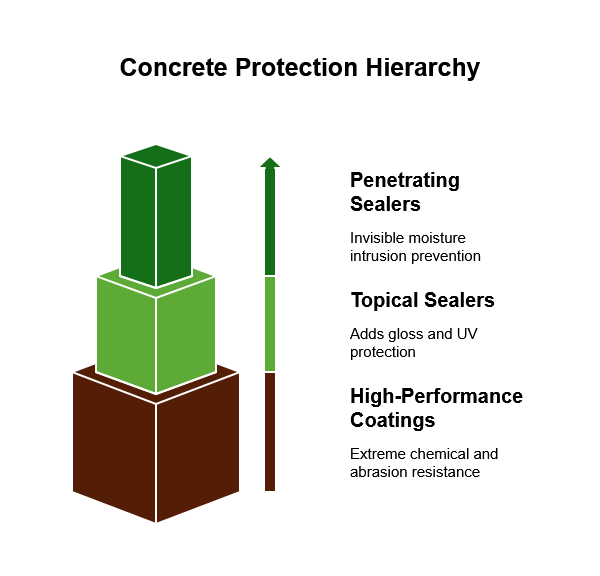
Proper maintenance significantly extends the life of your remodeling investment. Annual HVAC service costs $150-$300 and helps prevent costly repairs and extend equipment life. Regular caulk inspections and touch-ups avoid water intrusion, which can cause structural damage. Cleaning gutters prevents foundation problems from poor drainage.
Keep documentation of all completed work, including permits, invoices, warranties, and maintenance records. This information adds value during sales and helps future contractors understand the job completed. Photos of work in progress, showing electrical, plumbing, and structural details, provide invaluable references for future projects.
Deer Park’s climate accelerates wear on certain materials. Plan for exterior paint touch-ups every 3-5 years rather than waiting for apparent failure. Reseal concrete driveways and patios every 2-3 years. Replace HVAC filters monthly, not quarterly. Proactive maintenance costs less than reactive repairs.
We’re here to help Deer Park homeowners navigate the remodeling process from planning through completion. Our experience with local conditions, building departments, and material performance in this environment ensures your project is completed right the first time. We complete work in half the typical timeline without sacrificing quality, getting you back into your improved space faster.
For expert guidance on your specific project, reach out to discuss your plans. We’ll provide realistic cost estimates based on your goals and help you prioritize improvements that deliver the best value for your investment. Your home deserves quality work that lasts in Deer Park’s challenging coastal environment.