


When Houston Remodels Need a Structural Engineer
CE-1242 Requirements for Engineer Seals is the form Houston homeowners should understand before they remove walls, expand a room, rebuild a garage, add square footage, change roof framing, or start a bathroom remodel that touches structure. Full replaster may sound like a finish detail, but if the work exposes framing, water damage, sagging ceiling areas, or load-bearing changes, the project can quickly move from “simple remodel” to “engineer review needed.” Houston Builders uses CE-1242 as a safety checkpoint so Joe G. knows when to call a licensed structural engineer before the job gets too far into demolition.

The project brief describes CE-1242 as the form that dictates when Joe G. has to call in a structural engineer, usually for additions that change the load-bearing footprint. That matches the practical reality we see in Houston homes. The City of Houston’s current code list includes the 2021 International Residential Code with Houston Amendments, 2021 International Existing Building Code, 2022 ASCE 7 design loads, 2021 Uniform Plumbing Code, 2021 Uniform Mechanical Code, 2023 National Electrical Code, and 2021 Energy Conservation Code. When a remodel affects structure, those code paths matter.

 Why CE-1242 Matters Before Demo Starts
Most homeowners think about tile, paint, flooring, fixtures, cabinets, and price first. That’s normal. But a remodel is built on decisions that happen before finishes. Is the wall load-bearing? Is the ceiling sagging because of old framing? Will a new opening need a beam? Does an addition change the foundation footprint? Does a balcony repair need structural details? CE-1242 helps answer when the project needs an engineer’s seal instead of a contractor’s best guess.
This matters in bathrooms too. A bathroom remodel may involve full replaster, shower rebuilding, framing repair, fan changes, plumbing relocation, and ceiling work. If the work stays inside non-bearing walls, it may be a smaller permit path. If the work opens a load-bearing wall, changes floor framing, affects a second-story load, or ties into an addition, Joe G. brings in engineering support.
“The safest remodel is the one where we call the engineer before the wall comes down, not after. If a homeowner wants a larger bathroom, wider kitchen opening, garage conversion, or second-story tie-in, we need to know what the structure is doing before we price it like a finish job.”
Table 1: When CE-1242 Usually Points Toward an Engineer Seal
| Project Condition | Why It Matters | Likely Engineer Involvement | Common Houston Builders Example |
|---|---|---|---|
| Removing a load-bearing wall | The roof, ceiling, or second floor may depend on that wall. | Beam sizing and load path review | Opening a kitchen to a living room in West University |
| Adding square footage | The foundation and framing footprint changes. | Foundation and framing design | Primary suite addition near Memorial Village |
| Changing roof framing | Rafters, ridge beams, and ceiling joists carry loads. | Roof framing details | Vaulted ceiling conversion in Houston Heights |
| Repairing major water damage | Rot can weaken studs, joists, beams, or plates. | Structural repair notes when damage is severe | Bathroom leak repair with damaged floor framing in Montrose |
| Foundation repair or new slab | Loads transfer from the home into the ground. | Foundation plan and seal | Garage rebuild in 77096 |
| Second-story addition | The existing structure must carry new weight. | Full structural design review | Second-floor expansion near Tanglewood |

 What the Engineer Seal Really Does
An engineer seal is not decoration on a drawing. It shows that a licensed professional engineer reviewed or prepared the structural information tied to that scope. For homeowners, it creates a safer path through permitting and construction. For contractors, it gives the field crew clear instructions. For the City, it helps show that the structural design is not based on a guess.
Texas guidance on the building permit process explains that when a plan, specification, or related document must be prepared by an engineer, a public official responsible for enforcing laws affecting engineering may accept it only when it was prepared by an engineer and shown by the engineer’s seal. That is why Houston Builders treats engineering as part of responsible remodeling, not as an annoying extra.
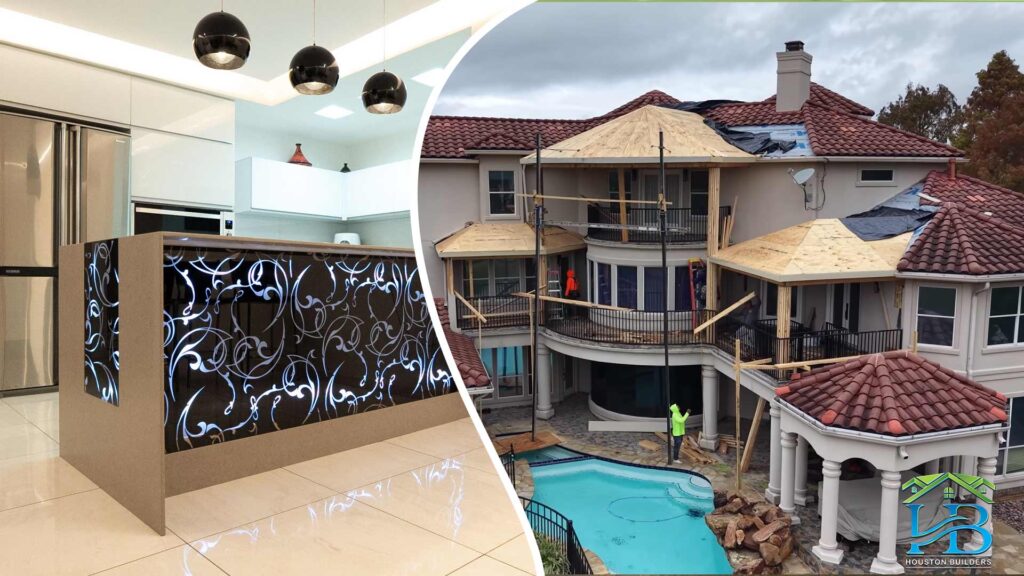
We completed a planning review about 1.3 miles from Memorial Park where a homeowner wanted to remove a wall between the kitchen and living area. The room looked open and simple, but the attic told a different story. Ceiling framing and roof load were bearing on that wall. Before demolition, we brought in structural review so the beam, posts, and load transfer could be handled correctly.
Table 2: Contractor Drawing vs. Engineer-Sealed Drawing
| Item | Contractor Drawing | Engineer-Sealed Drawing | Best Use |
|---|---|---|---|
| Room layout | Shows walls, fixtures, cabinets, and finish plan. | May reference layout if it affects structure. | Bathroom, kitchen, flooring, and finish planning |
| Beam design | May show where an opening is desired. | Shows beam size, bearing, posts, and connection details. | Wall removals and wide openings |
| Foundation footprint | May show addition size and location. | Shows foundation design, slab, piers, grade beams, or structural notes. | Additions, garage rebuilds, and structural slabs |
| Roof framing | May show ceiling or roof area being changed. | Shows rafters, beams, ties, and load transfer details. | Vaulted ceilings, dormers, additions, patio covers |
| Repair notes | May describe damaged areas. | Gives repair method for compromised structural members. | Water damage, fire damage, termite damage |
| Permit support | Useful for basic scope and trade coordination. | Needed when structural design must be verified. | Projects that trigger CE-1242 requirements |
 Additions, Foundations, and the Load-Bearing Footprint
The phrase “load-bearing footprint” sounds technical, but it’s easy to picture. It means the parts of the house that carry weight down to the foundation. When you add a room, extend a bathroom, convert a garage, add a second story, or change a roofline, you may change where weight lands. That is exactly when CE-1242 becomes important.
Houston’s clay soil, heavy rain, heat, and older housing stock make this even more important. A small addition in Bellaire can behave differently from a pier-and-beam repair in Houston Heights or a slab extension in West University. Foundation and framing decisions should match the home, the soil conditions, and the loads above.
Minimum construction guidance for Houston housing work states that building foundation types and supporting structures must be designed and sealed by a licensed Professional Engineer registered in Texas, and that foundation work must align with the latest IRC adopted by the City of Houston and City requirements. For rehabilitation work, it also notes that foundation leveling, when applicable, requires a signed and sealed structural engineer’s report before and after the work.

Table 3: Addition and Structural Work Timeline
| Phase | Typical Industry Timeline | Houston Builders Target Timeline | How We Move Faster |
|---|---|---|---|
| Initial site review | 3 to 5 days | 1 to 2 days | Joe G. checks scope, access, known risks, and likely permit needs early. |
| Engineer review | 7 to 14 days | 4 to 7 days | We send measurements, photos, and clear scope notes before the engineer visit. |
| Drawing updates | 5 to 10 days | 3 to 5 days | We coordinate contractor drawings and engineer details together. |
| Permit submission | Varies by scope | Shorter when drawings are complete | We reduce missing information before submission. |
| Field structural work | 5 to 15 days | 3 to 8 days | Materials, crew, inspections, and engineer notes are lined up before start. |
| Finish work after structure | 10 to 25 days | 6 to 14 days | Trades follow the approved sequence without waiting for late decisions. |
 Full Replaster, Bathrooms, and Hidden Structural Trouble
Full replaster is often part of a bathroom remodel, shower rebuild, wall restoration, ceiling repair, or older home update. Most replaster work is about the surface. But when the existing surface comes off, the room may reveal rotten studs, bad patches, cracked framing, termite damage, sagging ceiling sections, or old openings that were never framed correctly.
Minimum construction standards for rehabilitation explain that homes with substantial structural damage should be evaluated by a licensed structural engineer, and that load-bearing elements include columns, girders, beams, joists, trusses, rafters, walls, floor decking, and roof decking that support vertical or lateral loads. The same guidance states that interior bearing walls proposed to be moved should be inspected by a structural engineer, while non-bearing walls do not require one.

That line matters during bathroom remodeling. Replacing backer board and tile is different from moving a bearing wall to enlarge a primary bath. Patching plaster is different from repairing a sagging ceiling under an attic load. Moving a vanity is different from cutting joists for plumbing. Houston Builders treats full replaster as a finish scope unless the wall or ceiling below it shows structural warning signs.
Table 4: Bathroom and Full Replaster Warning Signs
| Warning Sign | What It May Mean | Who Should Review It | Next Step |
|---|---|---|---|
| Sagging ceiling | Possible joist, rafter, water, or load issue. | Contractor first, engineer if structural concern remains. | Open carefully and inspect framing before replaster. |
| Cracks that return after repair | Movement, framing stress, or foundation shift. | Contractor and possible engineer. | Check framing, foundation signs, and load path. |
| Rotten bottom plates | Long-term leak or moisture damage. | Contractor, engineer if bearing wall is affected. | Repair cause of water first, then repair framing. |
| Cut floor joists | Old plumbing work may have weakened structure. | Engineer when joist capacity is in question. | Stop cover-up work until repair method is clear. |
| Wide new shower opening | May affect wall support or framing layout. | Contractor, engineer if wall is bearing. | Confirm wall type before reframing. |
| Termite-damaged studs | Loss of wood strength. | Contractor, pest professional, engineer if load-bearing. | Treat, remove damaged material, and rebuild correctly. |

 Cost Planning When an Engineer Gets Involved
Engineer involvement adds cost, but it can save money by preventing rework, failed inspections, unsafe framing, and late redesigns. The expensive mistake is not paying for an engineer. The expensive mistake is finding out after demolition that the project needed one all along.
Houston Builders cost planning starts by sorting the project into finish work, trade work, and structural work. Finish work includes flooring, painting, cabinets, fixtures, tile, and full replaster when no framing issue exists. Trade work includes plumbing, electrical, HVAC, and roofing. Structural work includes beams, foundation, load-bearing wall changes, second-story loads, roof framing, and major damage repair.
Table 5: Cost Comparison for Remodeling With Structural Review
| Project Type | Typical Scope | Estimated Cost Range | Schedule Effect |
|---|---|---|---|
| Bathroom finish remodel | Tile, vanity, paint, fixtures, full replaster, lighting updates. | $24,300 to $40,500 | Fastest when no structural work is found. |
| Bathroom with hidden framing repair | Water damage, stud repair, floor patching, shower rebuild. | $31,050 to $54,000 | Adds inspection and repair time. |
| Load-bearing wall opening | Engineer review, beam, posts, drywall, flooring repair, paint. | $18,900 to $48,600 | Engineering and inspection must be scheduled early. |
| Room addition | Foundation, framing, roofing tie-in, electrical, HVAC, finishes. | $108,000 to $256,500+ | Engineer-sealed plans are expected for structural scope. |
| Garage rebuild | Slab or foundation repair, framing, roof, siding, doors, electrical. | $87,750 to $202,500+ | Foundation and framing review guide the schedule. |
| Second-story addition | Structural design, framing, stairs, roofing, utilities, finishes. | $229,500 to $486,000+ | Longest schedule because loads and access are more involved. |
“A sealed beam detail may feel like a delay at first, but it keeps the crew from guessing. Guessing is where remodels get expensive. We’d rather spend a little time planning than open a wall twice.”
 Permits, Fees, and Local Review
Houston structural work is not only a contractor decision. The City’s adopted code framework includes residential, building, existing building, mechanical, plumbing, electrical, energy, fire, swimming pool and spa, sign code, and Houston code interpretations. The City of Houston Construction Code also includes the Houston Building Code, Energy Conservation Code, Electrical Code, Existing Building Code, Fire Code, Mechanical Code, Plumbing Code, Residential Code, Swimming Pool and Spa Code, Building Standards Code, and Infrastructure Design Manual.
For homeowners, this means one remodel can touch several review areas. A bathroom addition may involve structural, plumbing, mechanical, electrical, energy, and floodplain concerns. A garage conversion may involve structure, fire separation, HVAC, electrical, windows, insulation, and parking conditions. A patio cover may involve foundation, post sizing, roof loads, drainage, and wind resistance.
Table 6: Permit and Engineer Review Triggers
| Scope | Permit Concern | Engineer Seal Risk | Homeowner Tip |
|---|---|---|---|
| Bathroom full replaster only | Usually finish-focused unless walls are opened deeply. | Low if no structure is touched. | Ask what happens if rot or framing damage appears. |
| Bathroom expansion | Plumbing, electrical, mechanical, and framing may apply. | Medium to high if bearing walls move. | Confirm wall type before final budget. |
| Kitchen wall removal | Structural building permit review may apply. | High if wall supports roof, ceiling, or floor loads. | Do not demo before load path review. |
| Room addition | Building, energy, electrical, HVAC, plumbing if wet area added. | High due to foundation and framing. | Expect engineering in planning. |
| Deck or balcony repair | Structural support, waterproofing, guardrail, and connection details. | Medium to high depending on damage. | Have connections and drainage checked. |
| Roof framing change | Roof loads, rafters, beams, and ceiling framing. | High when framing is altered. | Plan structural review before roof work starts. |

 How Houston Builders Cuts Time Without Cutting Corners
Structural review can add steps, but it does not have to wreck the schedule. Houston Builders works faster by preparing the engineer with useful information early. That includes photos, measurements, attic access notes, crawlspace notes if present, proposed openings, fixture plans, and the intended finish scope.
Standard industry timing for a structural remodel can run 6 to 10 weeks before finishes are complete, depending on permit review and engineer availability. With better planning, Houston Builders often targets 3 to 5 weeks for the same type of smaller structural remodel once scope, engineering, permits, and materials are aligned. Larger additions take longer, but the same planning method still saves time.
We completed a project about 0.7 miles from The Menil Collection in Montrose where a bathroom remodel revealed framing issues from an old leak. Instead of covering it with new board and plaster, we paused the finish path, reviewed the framing, repaired the damaged members, and then finished the full replaster and shower work. The homeowner lost a few days upfront and avoided a much bigger problem later.
Our step-by-step CE-1242 process
- We define the scope in plain language, including what stays, moves, opens, or gets rebuilt.
- We check for structural triggers such as bearing walls, foundation changes, roof framing, or second-story loads.
- We gather field measurements, photos, and existing condition notes.
- Joe G. decides whether the engineer should be brought in before pricing is finalized.
- The engineer provides sealed notes or drawings when the scope requires it.
- We coordinate permit drawings, trade plans, and material ordering around the sealed details.
- The crew builds to the approved plan, not to guesswork.

Table 7: Material and Structural Product Choices
| Item | Best Use | Pros | Watchouts | Expected Life |
|---|---|---|---|---|
| LVL beam | Wide interior openings and load transfers. | Strong, predictable, often easier to size. | Needs proper bearing and engineer detail. | 50+ years when protected |
| Steel beam | Long spans or tight depth conditions. | High strength and reduced deflection. | Heavier, needs careful install and connections. | 50+ years when protected |
| Pressure-treated lumber | Areas near moisture or foundation contact. | Better resistance to decay. | Must be used correctly with fasteners rated for treatment. | 20 to 40 years |
| Concrete slab extension | Room additions and garage rebuilds. | Durable base for new living space. | Requires soil, drainage, reinforcement, and design review. | 50+ years |
| Concrete backer board | Bathroom shower and tub wall prep. | Better wet-area base than regular drywall. | Still needs correct waterproofing. | 20 to 30 years |
| Full replaster finish | Wall and ceiling renewal after repair. | Smooth finish and clean appearance. | Only performs well over sound backing. | 10 to 25 years |
 Which Houston Builders Services Can Trigger CE-1242?
Not every remodel needs engineering. Many projects stay in finish and trade work. But several Houston Builders services can cross into structural territory depending on the home. Bathroom remodeling may need review when walls move or damage affects framing. Kitchen remodeling often needs review when homeowners want open-concept layouts. Room additions and conversions commonly need structural planning because they change the load path. Garage rebuilds may require foundation and framing review. Balcony waterproofing may require structural review if rot or framing damage is present.
Other services can also touch structure. Roofing may reveal damaged decking or rafters. Deck and patio projects involve posts, beams, footings, and connections. Concrete work can become structural when it supports living space, posts, walls, or an addition. Water damage restoration may need an engineer when rot affects load-bearing framing.
Here is a quick look at how structural thinking shows up on real remodeling projects.
Table 8: Before and After Value When Structural Work Is Done Right
| Project Area | Before Condition | After Proper Structural Review | Value Impact |
|---|---|---|---|
| Kitchen opening | Small divided rooms and unknown wall loads. | Clear span with proper beam and bearing. | Better layout and stronger buyer confidence. |
| Bathroom expansion | Cramped layout with possible wall changes. | Better layout without risky framing cuts. | Improved comfort and safer construction record. |
| Garage conversion | Underused space with uncertain slab and framing. | Designed living area with correct structural path. | Higher function and stronger long-term use. |
| Water damage repair | Rot hidden behind walls or below floors. | Damaged members repaired before finishes. | Prevents future failure and repeat repairs. |
| Room addition | No added space or poorly planned expansion. | New square footage supported by sealed details. | Major lifestyle and resale benefit. |
| Deck or balcony | Soft framing, poor drainage, weak connections. | Safer structure with better waterproofing plan. | Protects outdoor use and adjacent walls. |
“Homeowners usually call us for the visible part: a larger shower, a new kitchen, a garage buildout, a patio, or a cleaner ceiling. Our job is to look behind the visible part. CE-1242 reminds us when the structure needs a professional engineer’s eyes.”
 Homeowner Checklist Before You Remodel
- Ask whether any walls are being removed, widened, or moved.
- Ask whether the project changes the foundation footprint.
- Ask whether the roofline, ceiling height, or attic framing will change.
- Look for cracks, sagging ceilings, soft floors, or doors that stick.
- Tell your contractor about past leaks, termite treatment, foundation repairs, or storm damage.
- Do not approve demolition on a suspected bearing wall without review.
- Keep engineer-sealed drawings with your project records.
Final Word on CE-1242, Engineer Seals, and Full Replaster
CE-1242 Requirements for Engineer Seals is not paperwork for paperwork’s sake. It is a decision point that helps protect the home, the homeowner, the contractor, and the permit path. If your remodel changes the load-bearing footprint, opens structural walls, adds square footage, repairs major damage, or affects foundation and roof framing, Joe G. may need to call a structural engineer before work moves forward.
For full replaster, bathroom remodeling, kitchen openings, garage rebuilds, room additions, balcony repairs, roofing, patios, concrete, and water damage restoration, Houston Builders looks at the whole project before giving a final plan. That is how we work faster without taking shortcuts. Standard structural remodel timelines often run 6 to 10 weeks, but with early engineering, clean drawings, proper scheduling, and experienced crews, we often cut that by about 50 percent on smaller structural scopes when permitting and field conditions allow.
Houston Builders serves River Oaks, Bellaire, West University, Memorial Village, Tanglewood, Houston Heights, Montrose, Greenway, Upper Kirby, 77006, 77007, 77077, 77494, 77401, 77024, 77057, 77040, 77018, 77019, 77005, 77008, 77096, and 77035. Contact Houston Builders today at 832-888-1036 or visit us at 10101 Fondren Rd, Houston, TX 77096, to schedule your free estimate.