

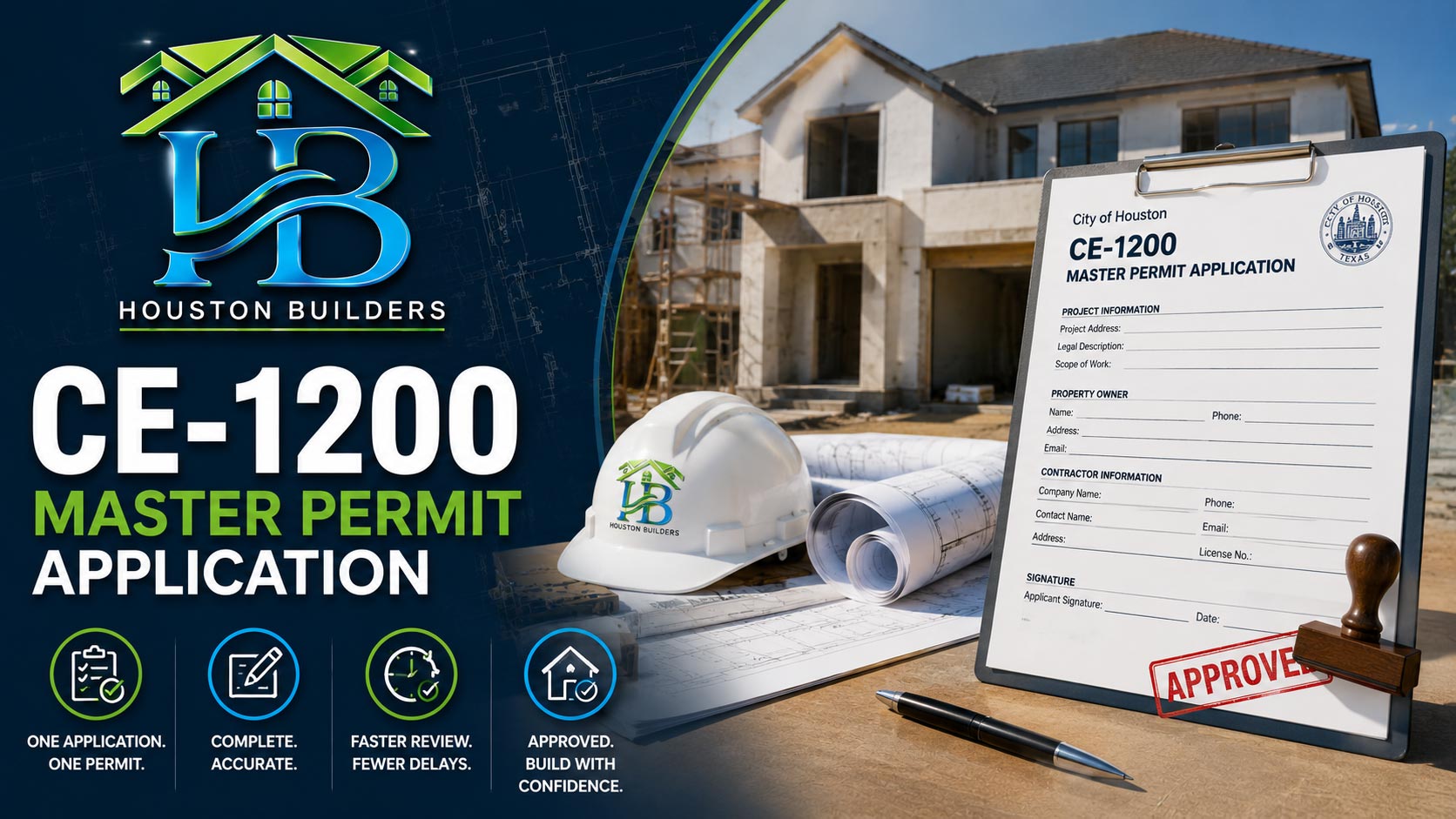
The Front Page That Starts Your Houston Remodel Clock
CE-1200 Master Permit Application is the front page for every project that needs a City of Houston permit. It starts the clock on your residential or commercial permit, and it tells the City what kind of work is being proposed, where the work will happen, who is responsible, and which review path may apply. For full replaster, bathroom remodeling, kitchen remodeling, roofing, siding, room additions, garage rebuilds, concrete work, deck and patio projects, balcony waterproofing, and water damage restoration, CE-1200 is often the first serious step between a good idea and a legal jobsite.
At Houston Builders, Joe G. treats CE-1200 as more than a form. It is the project cover sheet. If the information on the front end is vague, wrong, or incomplete, the permit process can slow down before the first hammer swings. If the scope is clear, the address is correct, the right project type is selected, and supporting documents are ready, the project has a better chance of moving without avoidable delays.
Homeowners in River Oaks, Bellaire, West University, Memorial Village, Tanglewood, Houston Heights, Montrose, Greenway, Upper Kirby, 77006, 77007, 77077, 77494, 77401, 77024, 77057, 77040, 77018, 77019, 77005, 77008, 77096, and 77035 often ask when their remodel can start. The honest answer is that the timeline starts long before demolition. It starts when the project scope, permit documents, selections, and CE-1200 application are lined up correctly.
 Why CE-1200 Matters Before Demolition
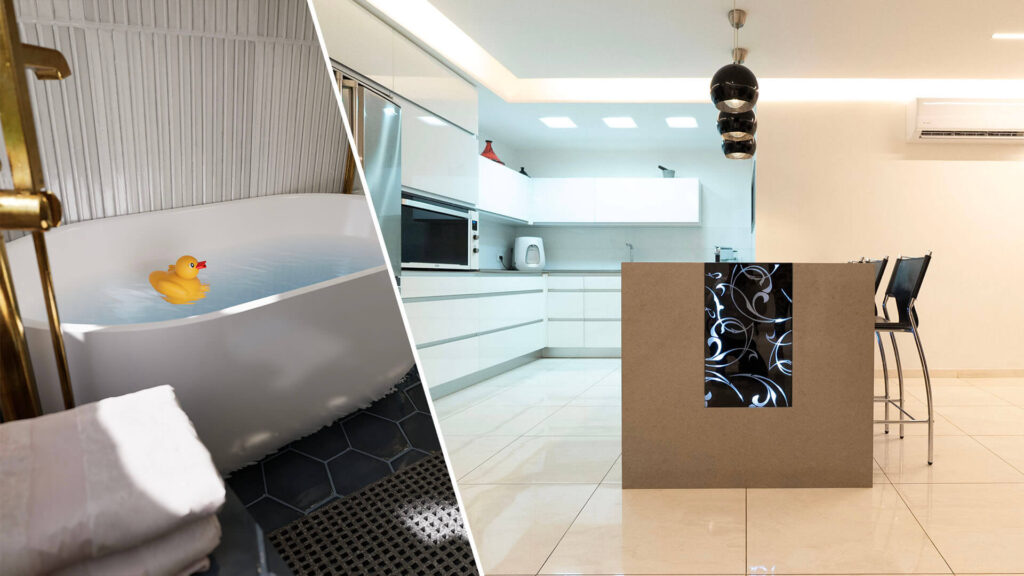
A remodel can look simple from the outside. A homeowner may say, “We’re just updating the bathroom,” or “We’re only repairing the wall.” But a small project can still touch plumbing, electrical, ventilation, framing, waterproofing, roofing, drainage, or structural details. CE-1200 helps put that work into the City’s permit system so the correct review can begin.
This matters for full replaster because surface work can be tied to deeper issues. If plaster failed because of an old shower leak, roof leak, exterior wall leak, or water damage, the permit scope may need more than finish wording. If the work includes moving plumbing, adding electrical, rebuilding walls, changing the bathroom layout, or repairing framing, the project description should reflect that.
We completed a bathroom and wall repair about 1.1 miles from Levy Park near Upper Kirby where the homeowner originally wanted full replaster and new tile. Once we reviewed the scope, we found the work also involved plumbing repair and ventilation improvement. Getting the permit language right upfront kept the job from being treated like a simple cosmetic repair when it was not.
“The permit clock does not really start when a crew shows up. It starts when the application tells the City what the job actually is. CE-1200 needs to match the real scope, or the project can lose days before work begins.”
Table 1: What CE-1200 Helps Identify
| Application Item | What It Tells the City | Why It Matters | Houston Builders Checkpoint |
|---|---|---|---|
| Project address | Where the work will happen. | Wrong property information can delay review. | We confirm the service address before preparing the permit package. |
| Project type | Residential, commercial, remodel, addition, repair, or related work. | The wrong type may send the permit down the wrong path. | We match the application to the actual project scope. |
| Scope description | What work is being performed. | Vague wording can trigger corrections. | We describe the work clearly without overloading the description. |
| Owner and contractor information | Who is responsible for the project. | Missing contact details slow communication. | We verify responsible parties before submittal. |
| Related trade work | Plumbing, electrical, mechanical, or structural work involved. | Trade permits may be needed. | We separate cosmetic work from trade work early. |
| Supporting documents | Plans, drawings, details, affidavits, or engineer information. | Missing attachments can stop review. | We organize supporting documents before submission. |

 The Front Page That Starts the Permit Clock
CE-1200 is called the front page for a reason. It is usually the document that begins the official permit record. Once submitted, the City can begin sorting the project into the correct review lane. That does not mean every permit is approved quickly. It means the clock has started because the City has the first page of the project in hand.
For homeowners, this is where planning pays off. If the application starts with missing information, unclear scope, wrong project type, or incomplete attachments, the clock may technically start, but the project may sit while corrections are requested. Houston Builders tries to avoid that by preparing the permit package before filing CE-1200.
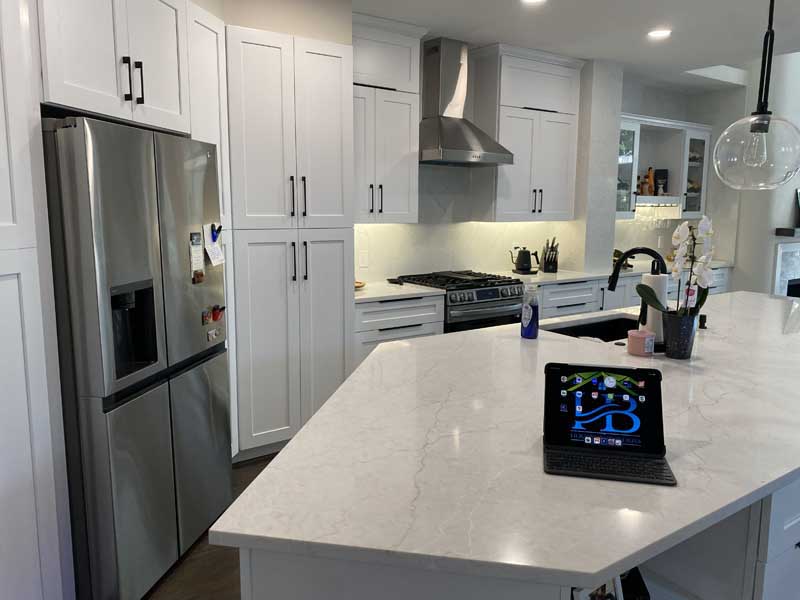
We completed a kitchen and flooring project about 0.9 miles from Rice Village in 77005 where the owner wanted to start demolition right away. Joe G. held the start until the application, drawings, and trade scope were lined up. That small pause saved time because the project did not have to stop later for missing permit details.
Table 2: Permit Timeline, Common Industry Path vs. Houston Builders
| Phase | Common Industry Timeline | Houston Builders Target Timeline | How We Reduce Delay |
|---|---|---|---|
| Initial project review | 3 to 5 business days | 1 to 2 business days | We confirm scope, address, project type, and likely permit needs early. |
| CE-1200 preparation | 2 to 4 business days | 1 to 2 business days | We gather owner, contractor, scope, and project details upfront. |
| Supporting documents | 5 to 12 business days | 3 to 6 business days | We prepare drawings, trade notes, and details before submission. |
| Permit review | Varies by scope | Shorter when package is complete | Clear applications reduce correction cycles. |
| Material ordering | 7 to 21 days | 3 to 10 days | We push early selections for key fixtures and finishes. |
| Construction start | Often delayed by missing information | Scheduled after permit path is clear | We avoid opening walls before the paperwork supports the work. |
“A homeowner may think the permit application is just admin work. I see it as jobsite protection. If CE-1200 is wrong, the field crew can get ahead of the paperwork, and that is where delays and change orders start.”
 Bathroom Remodeling, Full Replaster, and Scope Language
Bathroom remodeling is one of the best examples of why CE-1200 needs clear wording. A bathroom project can be a simple refresh, a fixture replacement, a shower rebuild, a full replaster job, a water damage repair, or a layout change. Those are not all the same project from a permit standpoint.
If a bathroom remodel includes moving a toilet, relocating a shower drain, adding lighting, replacing an exhaust fan, changing wall framing, or repairing water-damaged framing, the scope should be written carefully. If the project is only surface-level, the wording should not make it sound larger than it is. The goal is accuracy.
We completed a primary bathroom remodel about 1.5 miles from Memorial City Mall in 77024 where the homeowner wanted a larger shower, full replaster outside the wet area, and better lighting. The CE-1200 scope had to account for plumbing, electrical, ventilation, waterproofing, and finish work. Because that was addressed early, the schedule stayed tighter once construction began.
Table 3: Bathroom Scope Examples for CE-1200 Planning
| Bathroom Scope | What It May Include | Permit Concern | Planning Tip |
|---|---|---|---|
| Basic refresh | Paint, accessories, mirror, simple vanity swap. | May be limited if no trade work is involved. | Confirm that plumbing and electrical stay unchanged. |
| Full replaster and surface repair | Wall prep, plaster finish, paint, trim touchups. | May change if damage exposes framing or water issues. | Inspect the cause before closing walls. |
| Shower rebuild | Demo, waterproofing, tile, valve, drain, glass. | Plumbing and waterproofing details may matter. | Select shower fixtures before rough-in. |
| Bathroom layout change | Moved toilet, shower, tub, vanity, or doors. | Plumbing, electrical, and framing review may apply. | Prepare a simple before-and-after plan. |
| Water damage repair | Drying, leak repair, framing repair, wall rebuild, finish. | Scope may expand after hidden damage is found. | Document damaged areas before repair. |
| Primary bath expansion | Wall changes, larger shower, lighting, ventilation, finishes. | Structural and trade review may apply. | Confirm wall type before pricing final finishes. |
 How CE-1200 Applies to All Remodel Services
CE-1200 is not only for bathroom work. It can be the starting point for many Houston Builders services, including bathroom remodeling, kitchen remodeling, room additions and conversions, water damage restoration, roofing, exterior paint and siding, deck and patio projects, concrete work, and floors and stairs.
The form helps identify the project category, but the supporting documents explain the work. A kitchen remodel may need cabinet plans, electrical notes, plumbing locations, and wall details. A patio cover may need post, footing, and roof connection details. A garage rebuild may need slab, framing, roof, electrical, and door information. A water damage restoration project may need the repair scope and cause of damage clearly described.
Table 4: Project Types and CE-1200 Scope Notes
| Project Type | Typical Work | CE-1200 Scope Focus | Common Missing Detail |
|---|---|---|---|
| Kitchen remodel | Cabinets, counters, lighting, plumbing, flooring, backsplash. | Note layout changes and trade work. | Appliance locations and electrical changes. |
| Room addition | Foundation, framing, roofing, HVAC, electrical, insulation, finishes. | Show added square footage and structural scope. | Foundation and roof tie-in details. |
| Garage rebuild | Slab, framing, roof, siding, door, electrical. | Clarify repair, rebuild, or conversion. | Whether the space remains garage or becomes living area. |
| Roofing | Shingles, decking, flashing, vents, underlayment. | Identify repair or replacement scope. | Decking repair and structural damage notes. |
| Balcony waterproofing | Surface removal, slope, membrane, flashing, finish surface. | Describe waterproofing and any structural repair. | Drainage and connection details. |
| Concrete work | Patios, walks, driveways, slabs, footings. | Identify location, size, and purpose. | Drainage direction and support use. |
 Cost Planning Before the Application Goes In
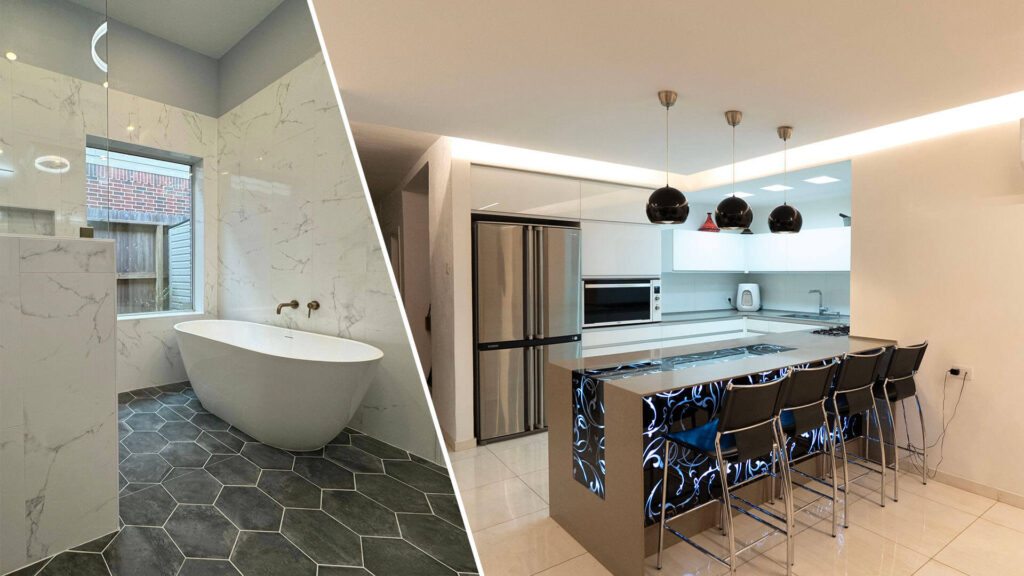
A strong permit application does not replace a budget. It supports one. Before CE-1200 is submitted, the homeowner should have a reasonable understanding of the scope, finish level, likely trade work, and possible hidden conditions. If the application says one thing and the actual bid includes another, the project can become confusing fast.
Houston Builders prices projects by scope, access, material level, trade work, schedule, risk, and permit needs. Full replaster after a simple surface repair costs less than full replaster after water damage, framing repair, ventilation correction, and shower rebuild. A kitchen update with cabinets in the same location costs less than a kitchen that removes a wall and relocates plumbing. CE-1200 should match the project the homeowner is actually buying.
We completed a small kitchen remodel about 0.6 miles from The Menil Collection in Montrose where the homeowner originally wanted only cabinets and counters. During planning, they added lighting, flooring, and a sink relocation. We updated the scope before submission instead of pretending the project was still a cabinet-only job.
Table 5: Cost Ranges by Remodel Scope
| Project Type | Typical Work Included | Estimated Cost Range | Permit Planning Watchout |
|---|---|---|---|
| Bathroom remodel with full replaster | Demo, wall prep, full replaster, tile, fixtures, lighting, ventilation. | $24,300 to $47,250 | Confirm whether plumbing, electrical, or water damage repair is included. |
| Kitchen remodel | Cabinets, counters, appliances, lighting, backsplash, flooring, plumbing. | $33,750 to $135,000 | Appliance locations and electrical scope should be set early. |
| Room addition | Foundation, framing, roofing, HVAC, electrical, insulation, finishes. | $108,000 to $256,500+ | Added square footage usually needs stronger documentation. |
| Water damage restoration | Demo, drying, framing repair, leak repair, wall rebuild, finishes. | $13,500 to $54,000+ | The source of water must be included in the repair plan. |
| Roofing repair or replacement | Shingles, flashing, vents, underlayment, decking repair. | $8,100 to $27,000+ | Decking damage may change scope after opening. |
| Deck or patio cover | Posts, beams, footings, framing, roofing, railing, finish. | $16,200 to $54,000+ | Footings, drainage, and attachments should be defined before filing. |
“The cheapest permit package is not always the fastest. A rushed application can miss the real scope. We would rather spend time getting CE-1200 right than lose more time fixing avoidable corrections.”
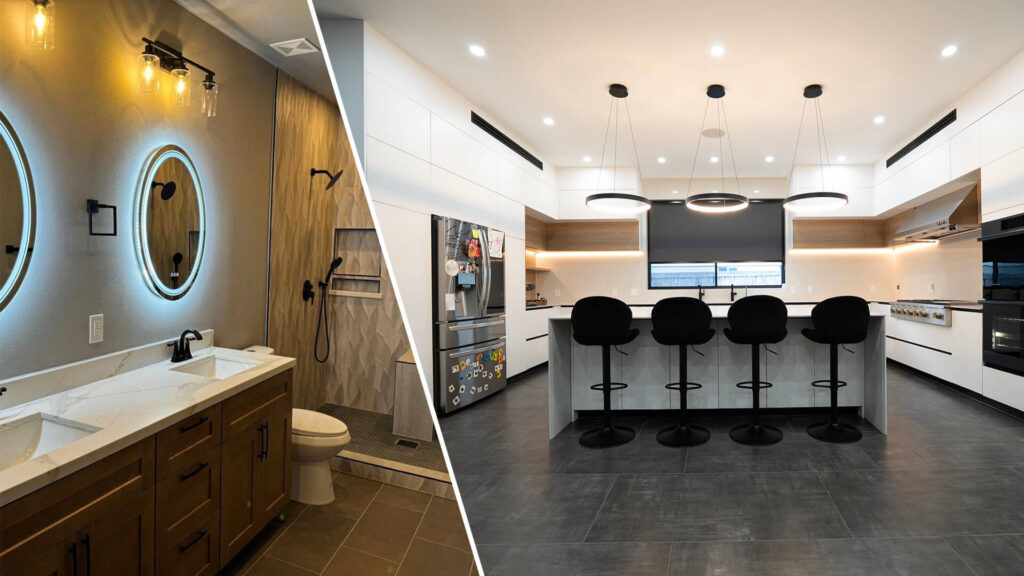
 Common CE-1200 Mistakes That Slow Projects Down
The most common mistake is treating the Master Permit Application like a quick front-desk form. It is quick only when the project is already organized. If the scope is still changing, the drawings are not ready, the trade work is unclear, or the owner is still deciding whether walls are moving, filing too early can create confusion.
Another mistake is using vague project language. “Remodel bathroom” may not be enough if the work includes moving plumbing, rebuilding a shower, replacing ventilation, repairing water damage, and full replaster. On the other hand, the scope should not be padded with work that is not being performed. Accuracy helps everyone.
Warning signs before filing CE-1200
- The project description does not match the actual estimate.
- The homeowner has not decided whether walls or fixtures are moving.
- Trade work is included in the quote but not mentioned in the scope.
- The drawings show one layout while the homeowner wants another.
- Water damage is visible, but the repair cause has not been identified.
- Materials with long lead times have not been selected.
- The contractor cannot explain which documents support the application.
Table 6: CE-1200 Mistakes and Better Fixes
| Mistake | Why It Causes Trouble | Better Move | Result |
|---|---|---|---|
| Filing before scope is final | Application may not match the job. | Finalize core scope first. | Fewer corrections and fewer change orders. |
| Using vague language | Reviewers may need clarification. | Describe key work clearly. | Cleaner permit path. |
| Ignoring trade work | Plumbing, electrical, or mechanical permits may be missed. | Identify trade work early. | Better inspection scheduling. |
| Missing drawings | The City may not see what is changing. | Attach simple, accurate plans when needed. | Less back-and-forth. |
| Changing layout after filing | Permit documents may become outdated. | Make layout decisions before filing. | Faster production start. |
| Skipping hidden damage review | Scope may expand after demolition. | Inspect signs of leaks, rot, or movement early. | More realistic budget and timeline. |
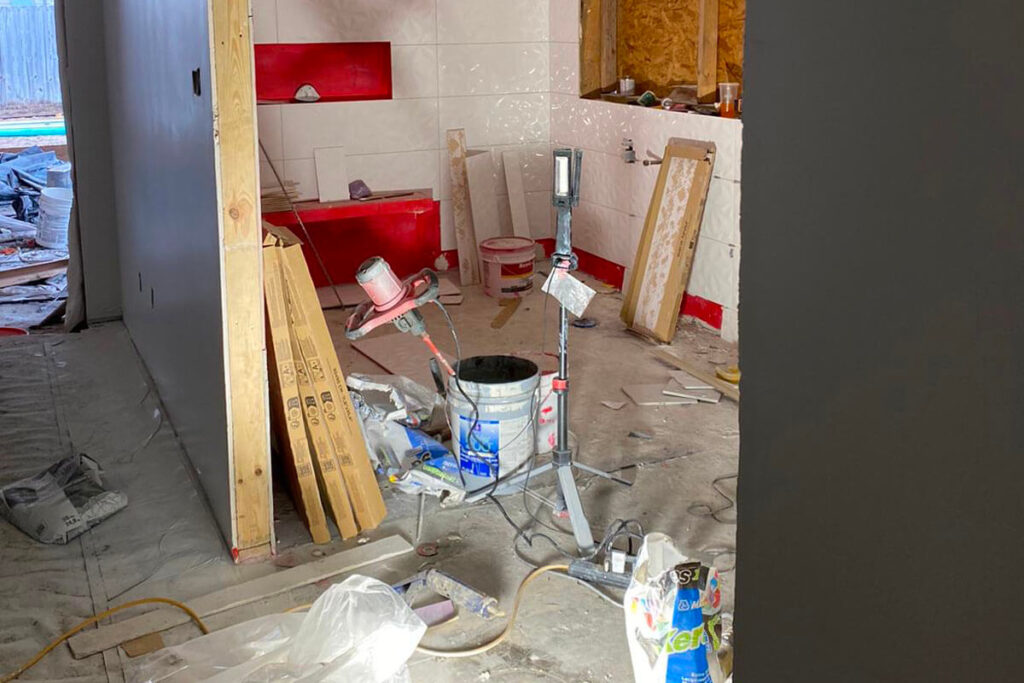
 Houston Builders’ CE-1200 Prep Checklist
Houston Builders uses a practical checklist before filing permit paperwork. It keeps the project from drifting and helps homeowners understand what is being submitted. The checklist changes by project type, but the idea stays the same: make the front page match the real project.
- Confirm the property address and basic project information.
- Define whether the project is residential, commercial, repair, remodel, addition, or rebuild.
- Separate finish work from plumbing, electrical, mechanical, and structural work.
- Prepare drawings or sketches that explain changes when needed.
- Identify whether engineer input may be needed for structural changes.
- Confirm key material selections before they affect rough-in work.
- Review permit fees, timeline expectations, and inspection points.
- File CE-1200 with a scope that matches the work planned in the field.
Table 7: Documents That May Support CE-1200
| Document | Best Use | What It Should Show | Why It Helps |
|---|---|---|---|
| Existing floor plan | Bathrooms, kitchens, room changes, conversions. | Current walls, doors, fixtures, and room layout. | Shows what is changing. |
| Proposed floor plan | Layout changes and remodels. | New fixture locations, openings, cabinets, and walls. | Reduces guesswork during review. |
| Trade notes | Plumbing, electrical, mechanical work. | What is moving, replacing, or being added. | Helps schedule inspections correctly. |
| Structural details | Wall removals, additions, patio covers, garage rebuilds. | Beams, posts, foundations, roof framing, or engineer notes. | Supports code review when loads change. |
| Water damage scope | Leaks, rot, restoration, full replaster after damage. | Cause, repair area, and finish restoration plan. | Connects finish work to the real repair. |
| Material specs | Windows, doors, fixtures, roofing, waterproofing. | Product type, size, and intended use. | Prevents ordering and rough-in conflicts. |
 Local Houston Conditions That Affect the Application
Houston is not a one-size-fits-all remodeling city. A bathroom repair in Montrose may involve an older home with past patchwork. A kitchen remodel in West University may include wall openings and electrical upgrades. A patio project in Memorial may need better drainage planning. A garage rebuild in 77096 may involve slab, framing, roof, and electrical scope.
Weather also matters. Houston’s heavy rain, humidity, heat, and storm seasons affect how projects should be described and built. A full replaster job after a roof leak should not ignore the roof. A balcony repair should not ignore slope and waterproofing. A concrete patio should not send water toward the house.
We completed a water damage repair about 1.3 miles from Highland Village where the visible issue was peeling paint and cracked wall finish. The cause was moisture entering near an exterior opening. The project scope had to include the water source and interior finish work, not just the plaster.
Table 8: Maintenance After Permit-Based Remodels
| Timeframe | What to Check | Why It Matters | Homeowner Action |
|---|---|---|---|
| First 7 days | Paint, plaster, grout, drains, fans, and visible seams. | Early use may reveal small issues. | Report concerns quickly. |
| First 30 days | Cabinet doors, plumbing trims, shower glass, caulk, exterior joints. | New materials settle into regular use. | Keep a short punch list if needed. |
| Every 3 months | Bathroom fans, shower corners, patio drains, balcony edges. | Moisture control protects finishes. | Clean fan grilles and remove debris. |
| Every 6 months | Gutters, downspouts, exterior caulk, siding joints, roof edges. | Water control protects walls and ceilings. | Check after heavy rain. |
| Every year | Roof, attic signs, foundation drainage, exterior paint. | Annual checks catch small problems early. | Schedule repairs before storm season when possible. |
| After major storms | Ceilings, windows, doors, exterior walls, patios, balconies. | Wind-driven rain can expose weak points. | Look for stains, swelling, peeling, or musty smells. |
“Houston weather has a way of testing every shortcut. That is why the application, the scope, and the construction details need to agree. The paperwork should support a job that can handle real local conditions.”
Project Video: Why Front-End Planning Matters
Here is a quick jobsite look at how sequencing, planning, and clear project setup help remodeling work move faster once construction begins.
Final Takeaway: CE-1200 Starts the Clock, but Preparation Controls the Speed
CE-1200 Master Permit Application is the front page for every project that needs a Houston permit. It starts the residential or commercial permit clock, but the quality of the information controls how smoothly the project moves. A clear application helps the City understand the work. A weak application creates questions, corrections, and delays.
For full replaster, bathroom remodeling, kitchens, room additions, roofing, siding, garage rebuilds, patios, concrete work, deck projects, balcony waterproofing, and water damage restoration, the best time to think about CE-1200 is before demolition. When the scope is clear, drawings are ready, trade work is identified, materials are selected early, and hidden damage is considered, Houston Builders can move faster without taking shortcuts.
On well-planned bathroom and finish projects, Houston Builders often cuts the standard 15 to 25 working day remodel timeline by about 50 percent, targeting 8 to 13 working days when scope, permits, materials, and field conditions allow. Larger projects take longer, but the same front-end planning saves time.
Houston Builders serves River Oaks, Bellaire, West University, Memorial Village, Tanglewood, Houston Heights, Montrose, Greenway, Upper Kirby, 77006, 77007, 77077, 77494, 77401, 77024, 77057, 77040, 77018, 77019, 77005, 77008, 77096, and 77035. Contact Houston Builders today at 832-888-1036 or visit us at 10101 Fondren Rd, Houston, TX 77096, to schedule your free estimate.