


Why Houston Remodels Start With Wind, Rain, and Soil Facts
CE-1110 Building Code Design Criteria is not just another City of Houston form. It is the master sheet that gives contractors, designers, engineers, and homeowners the design numbers that affect real construction decisions, including wind speeds of 139 to 150 mph, a 6-inch frost line, and rainfall rates of 8 inches per hour. For full replaster, bathroom remodeling, kitchen remodeling, roofing, room additions, garage rebuilds, exterior siding, concrete, decks, patios, and water damage restoration, these numbers help explain why a Houston remodel has to be built for local conditions, not just good looks.
At Houston Builders, Joe G. uses CE-1110 thinking early in the planning process. A homeowner may call about cracked walls, a shower rebuild, a patio cover, a roof repair, or a room addition. The visible problem may be tile, paint, plaster, siding, or flooring. The deeper question is whether the project is prepared for Houston’s weather, wind loads, heavy rain, drainage demands, soil movement, and code requirements.
The City of Houston’s current construction code list includes the 2021 International Residential Code with Houston Amendments, 2021 International Building Code with Houston Amendments, 2022 ASCE 7 design loads, 2021 International Existing Building Code with Houston Amendments, 2021 Uniform Plumbing Code with Houston Amendments, 2021 Uniform Mechanical Code with Houston Amendments, 2023 National Electrical Code, and 2021 International Energy Conservation Code with Houston Amendments.
 Why CE-1110 Matters Before Anyone Picks Tile
Many homeowners start a remodel with finishes. They think about tile size, cabinet color, shower glass, countertops, paint, flooring, and lighting. Those choices matter, but they are not the first layer of a good project. CE-1110 helps set the local design assumptions before a contractor starts building. Those assumptions affect framing, roof details, exterior openings, drainage, foundations, concrete, waterproofing, and sometimes even the schedule.
For example, a full replaster job inside a bathroom may look like finish work. But if the damaged plaster came from wind-driven rain at an exterior wall, poor flashing, roof leaks, balcony drainage, or bad ventilation, then replaster alone will not solve the problem. The design criteria help remind everyone that Houston homes must manage water and weather first.
We completed a wall repair and bathroom update about 1.1 miles from Levy Park near Upper Kirby where the homeowner thought the issue was only cracked plaster. The room had repeated moisture staining after heavy storms. Before we patched and replastered, we checked the outside wall, roof edge, bath fan, and window area. That saved the homeowner from paying twice for the same repair.
“CE-1110 puts Houston’s weather on paper. Wind speed, rainfall, and local design values may sound like engineering talk, but they show up in everyday remodeling. If we ignore those numbers, the finish work is the first thing to fail.”
Table 1: CE-1110 Design Criteria and What They Mean for Homeowners
| Design Criteria | Houston Value | Why It Matters | Common Remodel Impact |
|---|---|---|---|
| Basic wind speed | 139 to 150 mph | Houston homes must be planned for strong storm winds and wind-driven rain. | Roofing, siding, windows, doors, patio covers, and additions need proper connections. |
| Frost line | 6 inches | Footings and shallow exterior work still need correct depth and stable support. | Deck posts, patio covers, small foundations, and exterior steps must be planned correctly. |
| Rainfall rate | 8 inches per hour | Drainage, roof runoff, balcony slopes, and site water movement matter. | Gutters, roof repairs, patios, balconies, concrete slopes, and water damage prevention. |
| Adopted design loads | 2022 ASCE 7 | Loads affect how structures handle wind, rain, roof conditions, and risk categories. | Room additions, garage rebuilds, second-story projects, and structural repairs. |
| Local Houston amendments | City-specific code changes | Houston requirements may be different from generic online advice. | Permits, inspections, trade coordination, and closeout paperwork. |
| Energy and moisture concerns | Houston climate driven | Heat and humidity affect comfort, wall systems, and long-term finishes. | Bathroom ventilation, insulation, exterior walls, windows, and full replaster durability. |
 Wind Speeds of 139 to 150 MPH Are Not Just for New Homes
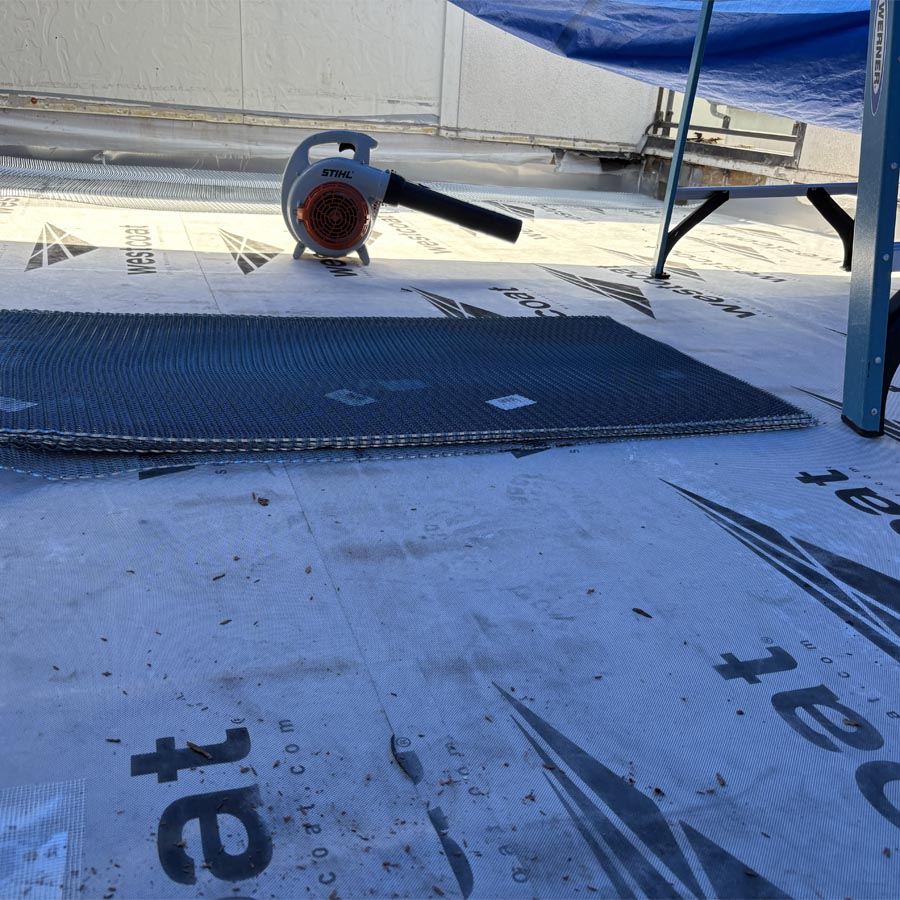
Wind design affects remodels more often than homeowners expect. A roof repair, exterior siding job, patio cover, room addition, garage rebuild, window change, or balcony repair can all be affected by wind assumptions. When strong wind hits a home, it does not only push against walls. It pulls on roof edges, lifts weak connections, drives rain into small gaps, and stresses attachments.
That is why Houston Builders does not treat exterior work as simple decoration. Siding, trim, flashing, fasteners, roof underlayment, deck connections, and patio framing need to work together. If a project includes new openings, roof tie-ins, or added square footage, Joe G. may also bring in engineering review.
We completed a roofing and siding repair about 1.4 miles from Memorial City Mall in the 77024 area where wind had opened up a weak roof edge and water entered behind an exterior wall. The interior repair included wall drying, surface repair, and full replaster in the affected room, but the real fix started outside.
Table 2: Wind-Related Remodel Areas
| Project Area | Wind Concern | What Can Go Wrong | Houston Builders Planning Step |
|---|---|---|---|
| Roofing | Uplift at edges, corners, and penetrations. | Shingles lift, underlayment fails, water enters attic. | Check decking, flashing, fastener pattern, and roof transitions. |
| Siding and exterior trim | Wind-driven rain behind cladding. | Rot, wall staining, cracked plaster, and paint failure. | Review flashing, sealant, drainage plane, and wall condition. |
| Windows and doors | Air pressure and water entry at openings. | Leaks around trim, swollen framing, interior wall damage. | Plan product selection, flashing, and trim details before install. |
| Patio covers | Uplift on roof panels and framing. | Loose posts, pulled fasteners, roof connection damage. | Check post bases, beams, connections, and drainage direction. |
| Garage rebuilds | Large door openings and roof loads. | Weak bracing, racking, and water entry. | Coordinate framing, bracing, slab, and roof details. |
| Room additions | New walls and roof tie into old structure. | Movement, leaks, and uneven load transfer. | Plan framing and weatherproofing before finishes are ordered. |
“A patio cover or roof repair can look simple, but Houston wind can find every weak connection. We build the connection, flashing, and drainage details before we worry about how pretty the final trim looks.”
 Rainfall Rates of 8 Inches Per Hour Change the Way We Build
Houston rain is not gentle. When design criteria call attention to 8 inches per hour, that number affects roofs, gutters, patios, balconies, driveways, concrete work, exterior grading, and water damage prevention. A remodel that ignores drainage may look great for a few months, then fail after one hard storm.
For full replaster, rainfall matters because many interior wall problems start outside. Wind-driven rain may enter at a roof edge, window, balcony door, siding joint, or poorly sloped patio. If water keeps entering, new plaster will crack, stain, peel, or soften. Houston Builders tracks the water source before replacing the finish.
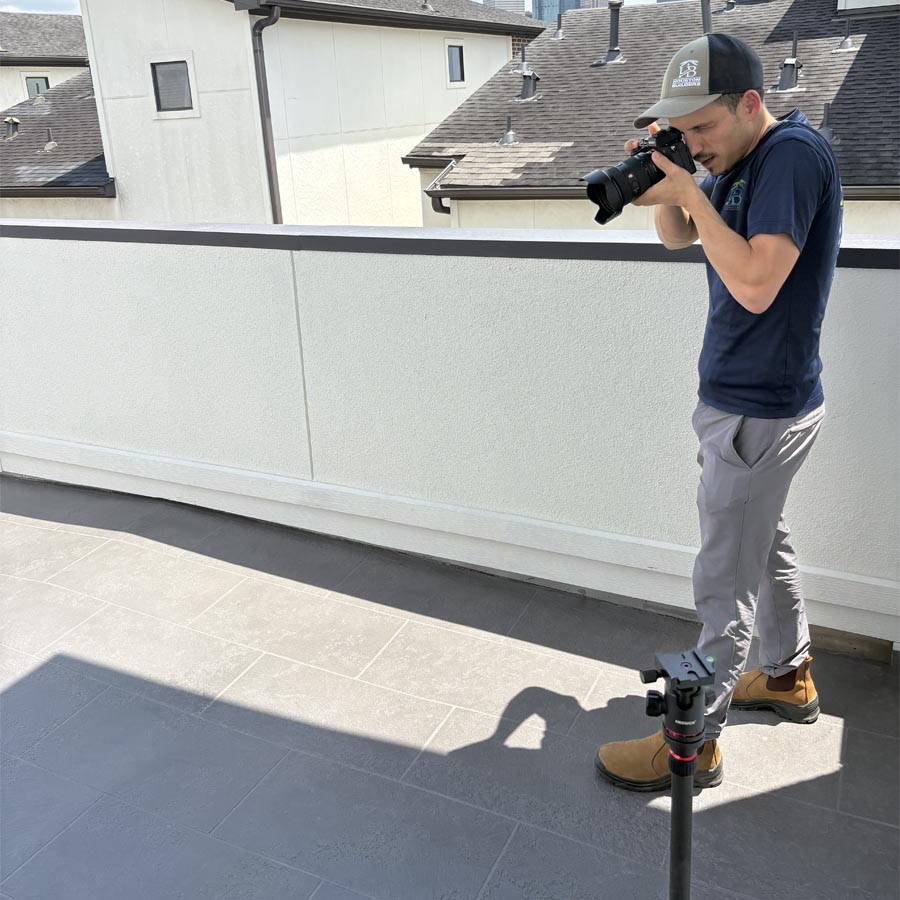
We completed a balcony waterproofing project about 0.8 miles from The Galleria near Tanglewood where the interior ceiling below showed staining. The visible damage was inside, but the cause was slope and waterproofing outside. Fixing the water path first protected the interior finish work.
Table 3: Rainfall Planning for Common Remodels
| Remodel Type | Rainfall Issue | Risk If Ignored | Better Planning Move |
|---|---|---|---|
| Bathroom exterior wall repair | Rain entering through siding, roof edge, or window. | Full replaster fails after the next storm. | Check the exterior water path before interior finish work. |
| Roofing repair | Fast runoff and wind-driven water. | Leaks into attic, ceilings, and walls. | Review flashing, underlayment, penetrations, and drainage points. |
| Balcony waterproofing | Poor slope and standing water. | Rot, ceiling leaks, and surface failure. | Correct slope, drains, membrane, and edge details. |
| Concrete patio | Water moving toward the home. | Door leaks, foundation moisture, and interior damage. | Set slope away from the structure and plan runoff. |
| Room addition | New roof and wall tie-ins change water flow. | Leaks where new work meets old construction. | Plan roof transitions, gutters, flashing, and grading early. |
| Deck and patio cover | Roof runoff at posts and ledgers. | Wood decay and connection failure. | Use proper flashing, post bases, and drainage breaks. |
 The 6-Inch Frost Line Still Matters
Houston is not known for deep freezes, but the 6-inch frost line still belongs on the design criteria sheet. For most homeowners, it matters during exterior projects that touch the ground. That includes patio covers, decks, porch steps, small additions, exterior landings, concrete repairs, posts, and footings.
A shallow frost line does not mean contractors can ignore footings. Soil movement, drainage, post support, uplift, and water around the foundation still matter. The goal is not just to get below frost. The goal is to build a stable support system for the load above.
For concrete work, small changes in slope, thickness, reinforcement, base prep, and drainage can make a big difference. For deck and patio projects, post bases and footings should match the structure, not just the lowest price.
Table 4: Ground and Foundation Considerations
| Project | Ground Condition Concern | Possible Problem | Planning Detail |
|---|---|---|---|
| Patio cover posts | Footing size and uplift resistance. | Post movement during storms. | Use proper footing depth, base connection, and bracing. |
| Concrete patio | Soil prep and slope. | Cracking, puddling, and water against the house. | Prepare base, set slope, and plan control joints. |
| Room addition | New foundation tied to existing home. | Differential movement and cracking. | Coordinate foundation design and drainage before framing. |
| Deck footings | Post support and soil moisture. | Settlement, rot, and loose railings. | Use proper post bases and water separation. |
| Garage rebuild | Slab support and edge conditions. | Cracks, door misalignment, and roof stress. | Review slab, drainage, and framing layout together. |
| Exterior stairs | Landing support and runoff. | Uneven steps and trip hazards. | Build stable landings with correct drainage. |
 Cost Planning When Design Criteria Affect the Scope
Design criteria can change the price of a remodel because they can reveal needed work that is not obvious at first. A roof repair may need decking replacement. A patio cover may need better footings. A full replaster project may need exterior leak repair. A room addition may need engineering, drainage, foundation, energy, and roof tie-in planning.
The cheapest bid often skips the boring parts: flashing, drainage, base prep, structural connections, ventilation, waterproofing, and documentation. Those are the parts that decide whether the remodel lasts. Houston Builders prices the project based on the actual risk, not just the visible finish.
Table 5: Cost Ranges by Remodel Type
| Project Type | Typical Work Included | Estimated Cost Range | Design Criteria Watchout |
|---|---|---|---|
| Bathroom remodel with full replaster | Demo, wall prep, full replaster, tile, fixtures, lighting, ventilation. | $24,300 to $47,250 | Check moisture source before finish work. |
| Roof repair or replacement | Shingles, decking repair, flashing, vents, underlayment. | $8,100 to $27,000+ | Wind and rainfall details affect performance. |
| Patio cover | Posts, beams, roof panels, footings, flashing, drainage. | $16,200 to $54,000+ | Wind uplift and footing support matter. |
| Room addition | Foundation, framing, roof tie-in, electrical, HVAC, insulation, finishes. | $108,000 to $256,500+ | Loads, drainage, energy, and wind design drive planning. |
| Balcony waterproofing | Surface removal, slope correction, membrane, flashing, finish surface. | $18,900 to $67,500+ | Rainfall rate and drainage must be addressed. |
| Exterior siding and paint | Cladding repair, trim, caulk, flashing, paint, water-damaged areas. | $13,500 to $54,000+ | Wind-driven rain can get behind weak details. |
“The money saver is not skipping the code-related details. The money saver is doing those details before damage spreads. Good flashing, good drainage, and good prep cost less than tearing out new finishes later.”

 How We Work Faster Without Ignoring the Numbers
Good design criteria do not have to slow down the job. They slow the job only when nobody plans for them. Houston Builders builds speed into the front end by asking better questions early. Is water entering from the outside? Will the new roof area change drainage? Will the patio cover face uplift? Does the addition need engineering? Do we need to coordinate with permits before ordering materials?
For a standard bathroom remodel, the common industry timeline can run 15 to 25 working days after materials and approvals are ready. When the layout stays mostly in place and hidden damage is limited, Houston Builders often targets 8 to 13 working days. For exterior and structural work, we use the same idea: plan earlier, schedule tighter, and avoid surprise stops.
Table 6: Timeline Comparison for CE-1110-Aware Projects
| Phase | Common Industry Timeline | Houston Builders Target Timeline | How We Reduce Delay |
|---|---|---|---|
| Site and weather-risk review | 3 to 5 business days | 1 to 2 business days | We check wind, rain, drainage, and exterior exposure early. |
| Scope and permit planning | 5 to 12 business days | 3 to 6 business days | We clarify whether the work is finish, trade, structural, or exterior envelope work. |
| Material selection | 7 to 21 days | 3 to 10 days | We confirm products before rough-in or exterior work starts. |
| Demolition or opening work | 1 to 4 days | 1 to 2 days | We open only what needs inspection or repair. |
| Weatherproofing and rough work | 4 to 10 days | 2 to 6 days | We line up roofing, framing, plumbing, electrical, or waterproofing trades in order. |
| Finish work and full replaster | 6 to 12 days | 4 to 7 days | We do finish work after water, framing, and ventilation issues are handled. |
| Final checks | 2 to 5 days | 1 to 2 days | We walk the project before calling it done. |
 Which Remodel Services CE-1110 Touches
CE-1110 thinking can touch almost every Houston Builders service. Bathroom remodeling may need moisture and ventilation planning. Kitchen remodeling may involve exterior walls, plumbing, electrical, or wall openings. Room additions and conversions need load, foundation, roof, energy, and drainage planning. Roofing is directly tied to wind and rainfall.
Exterior paint and siding must deal with wind-driven rain and heat. Balcony waterproofing depends on slope, flashing, and drainage. Water damage restoration must trace the cause before rebuilding. Floors and stairs may show movement caused by moisture or foundation changes. Garage rebuilds often need structure, slab, roof, and wind review.
We completed an exterior wall and interior repair about 0.7 miles from The Menil Collection in Montrose where the homeowner wanted plaster repair and paint. The wall failure traced back to a weak exterior joint that took on water during heavy rain. We repaired the water path, then handled the interior wall and finish.
Table 7: Material Options for Houston Weather
| Material | Best Use | Pros | Watchouts | Expected Life |
|---|---|---|---|---|
| Full replaster finish | Interior walls and ceilings after repair. | Smooth finish and clean appearance. | Needs dry, stable backing and the water source fixed first. | 10 to 25 years |
| Fiber cement siding | Exterior walls and storm-exposed sides. | Durable and paintable. | Needs proper flashing, gaps, and fastening. | 25 to 50 years |
| Architectural shingles | Residential roofing. | Common, attractive, and available in many grades. | Installation quality matters in high wind areas. | 20 to 30 years |
| Self-adhered flashing | Windows, doors, roof edges, and penetrations. | Helps manage water entry. | Must be layered correctly. | 15 to 30 years |
| Concrete slab | Patios, additions, garage work, and walkways. | Strong and long-lasting when placed correctly. | Base prep, slope, drainage, and joints matter. | 30 to 50+ years |
| Pressure-treated lumber | Decks, posts, and moisture-prone framing. | Better decay resistance. | Needs correct fasteners and water separation. | 20 to 40 years |
 Warning Signs That the Project Needs More Than a Surface Fix
Some homes tell you when the design problem is deeper than the surface. A crack that keeps coming back, a damp wall after storms, a soft spot near an exterior door, or peeling paint below a roof edge should not be ignored. These are not just cosmetic problems. They may point to wind-driven rain, drainage, foundation movement, framing damage, or poor ventilation.
Watch for these signs before approving finish work
- Plaster cracks that return after repair.
- Water stains near windows, ceilings, or exterior walls.
- Soft drywall, loose tile, or musty smells after rain.
- Standing water on patios, balconies, or near the foundation.
- Roof leaks that appear only during wind-driven rain.
- Doors or windows that stick after storms or seasonal changes.
- Deck posts, patio posts, or railings that feel loose.
“A fresh coat of plaster can hide the symptom, but it cannot fix wind, water, or movement. If a wall keeps cracking or staining, we need to ask why before we make it pretty.”
 Maintenance After a Weather-Ready Remodel
A well-built remodel still needs care. Houston weather works on every surface. Gutters clog, sealant ages, roof penetrations loosen, exterior paint expands, and bathroom ventilation gets dusty. Good maintenance keeps design criteria from becoming damage again.
Table 8: Maintenance Schedule After a CE-1110-Aware Remodel
| Timeframe | What to Check | Why It Matters | Homeowner Action |
|---|---|---|---|
| First 7 days | Paint, plaster, caulk, drains, and fans. | Early use may reveal small issues. | Report anything unusual quickly. |
| First 30 days | Exterior sealant, wall finish, shower areas, roof transitions. | New materials settle into regular use. | Walk the project after the first hard rain. |
| Every 3 months | Bathroom fans, shower corners, patio drains, balcony edges. | Moisture control protects finishes. | Clean fan grilles and remove debris from drains. |
| Every 6 months | Gutters, downspouts, exterior caulk, siding joints. | Rainfall control depends on clear water paths. | Clean gutters and check for gaps. |
| Every year | Roof, attic signs, exterior paint, foundation drainage. | Annual checks catch weather damage early. | Schedule repairs before storm season when possible. |
| After major storms | Ceilings, exterior walls, windows, doors, roof edges. | Wind-driven rain can expose weak points. | Look for stains, swelling, peeling, or musty smells. |
Project Video: Why Planning Matters on Real Jobsites
Here is a quick jobsite look at how planning and sequencing help remodels move faster while keeping quality in place.
Final Takeaway: CE-1110 Turns Houston Weather Into Buildable Decisions
CE-1110 Building Code Design Criteria matters because it turns Houston’s real conditions into numbers a project team can use. Wind speeds of 139 to 150 mph, a 6-inch frost line, and rainfall rates of 8 inches per hour are not trivia. They shape how roofs, walls, patios, balconies, room additions, concrete, siding, windows, and full replaster repairs should be planned.
The best time to think about CE-1110 is before demolition, before materials are ordered, and before a finish repair covers the real cause of damage. Houston Builders uses local design criteria to plan smarter remodels, avoid repeat repairs, and keep projects moving. On well-planned bathroom and finish projects, we often cut the standard timeline by about 50 percent because the scope, materials, trades, and inspections are lined up before the work begins.
Houston Builders serves River Oaks, Bellaire, West University, Memorial Village, Tanglewood, Houston Heights, Montrose, Greenway, Upper Kirby, 77006, 77007, 77077, 77494, 77401, 77024, 77057, 77040, 77018, 77019, 77005, 77008, 77096, and 77035. Contact Houston Builders today at 832-888-1036 or visit us at 10101 Fondren Rd, Houston, TX 77096, to schedule your free estimate.