


Understanding Houston’s 50% Rule Before Your Remodel Triggers Mandatory Elevation
CE-1100 Substantial Improvement Worksheet is the form Houston homeowners need to understand before starting a major remodel in a floodplain. It is where the “50% Rule” gets calculated. In plain language, the City compares the cost of the proposed improvements against the value of the existing structure. If the remodel cost reaches or exceeds the required threshold, the project may trigger floodplain compliance upgrades, including mandatory home elevation.
For homeowners in Meyerland, Bellaire, Braeswood, Willow Meadows, Westbury, and other flood-sensitive Houston neighborhoods, CE-1100 can change the entire project. A kitchen remodel, bathroom updates, roofing, flooring, siding, garage repairs, HVAC work, and interior upgrades may feel like separate improvements, but when combined, they can push the project into substantial improvement territory.
At Houston Builders, Joe G. treats CE-1100 as a “stop and calculate before we swing the hammer” form. The goal is not to scare homeowners away from remodeling. The goal is to prevent a homeowner from spending money on drawings, selections, demolition, or materials before knowing whether the remodel may require elevation or a different floodplain path.
 What the 50% Rule Means in Real Life
The 50% Rule is a floodplain rule that compares the cost of improving or repairing a structure to the value of that structure before the work begins. If the project reaches the threshold, the home may need to meet current floodplain standards. In many cases, that can mean elevation, utility relocation, flood-resistant materials, or a full redesign of the project approach.
The key word is “structure.” Homeowners often think about the total property value, including land. That is not how this calculation usually works. The value of the land is not the same as the value of the building itself. That distinction can surprise homeowners in high-value neighborhoods like Bellaire, West University, River Oaks, and Meyerland, where land value may be a large part of the total property value.
We reviewed a Meyerland-area remodel where the homeowner wanted a kitchen upgrade, two bathroom remodels, new flooring, exterior siding repair, and HVAC replacement. Individually, each scope felt normal. Together, the cost started to approach the substantial improvement threshold. CE-1100 helped the homeowner understand the risk before approving the full package.
“The 50% Rule is not about whether the project feels big. It is about the math. A kitchen, bathrooms, floors, roof, and mechanical work can add up faster than homeowners expect.”
Table 1: CE-1100 50% Rule Basics
| Item | What It Means | Why It Matters | Houston Builders Checkpoint |
|---|---|---|---|
| Structure value | The value of the building before improvements. | The calculation is usually based on structure value, not land value. | We confirm the valuation basis before estimating risk. |
| Improvement cost | The total cost of proposed remodel work. | All qualifying work can count toward the threshold. | We group related scopes before submitting the worksheet. |
| 50% threshold | The point where substantial improvement review may apply. | Crossing it can trigger major compliance requirements. | We calculate early before demolition or material ordering. |
| Floodplain status | Whether the property is in a regulated floodplain. | The 50% Rule is especially important in flood hazard areas. | We check floodplain conditions before design decisions. |
| Repair vs. improvement | Damage repair and planned upgrades may be treated differently but still need review. | Flood damage, remodel work, and upgrades can interact. | We document the reason for each scope item. |
| Mandatory elevation risk | The home may need to be elevated or brought into compliance. | This can dramatically change cost, schedule, and design. | We flag the risk before the homeowner commits to the wrong path. |
 Why Meyerland and Bellaire Homeowners Should Care Early
Meyerland and Bellaire homeowners often remodel because they love their neighborhoods and want to stay. The challenge is that many homes in these areas have floodplain history, older foundations, prior repairs, and high land value compared with structure value. That combination makes CE-1100 especially important.
A homeowner may assume a remodel is safe because the home’s market value is high. But if the structure value is much lower than the total property value, the 50% threshold may be easier to reach than expected. A large remodel package can accidentally become a floodplain compliance project.
We reviewed a Bellaire project where the homeowner planned a staged renovation: first the kitchen, then bathrooms, then exterior work. The question was whether the City would view the related improvements together. Instead of guessing, Houston Builders recommended looking at the full scope and the CE-1100 implications before dividing the work into phases.
Table 2: Why Floodplain Remodels Add Up Quickly
| Scope Item | Why Homeowners Add It | How It Affects CE-1100 | Planning Tip |
|---|---|---|---|
| Kitchen remodel | Better layout, cabinets, appliances, and lighting. | Often a high-value scope with electrical, plumbing, and finishes. | Price kitchen work as part of the full improvement package. |
| Bathroom remodels | Modern showers, vanities, tile, plumbing, and ventilation. | Multiple bathrooms can push cost higher fast. | Count all bathroom scopes, not just one room. |
| Roof replacement | Leaks, storm wear, age, and insurance concerns. | Can add major cost to the improvement total. | Include roofing if it is part of the same project plan. |
| HVAC replacement | Comfort, efficiency, and system age. | Mechanical systems can count toward project cost. | Coordinate HVAC decisions before CE-1100 is finalized. |
| Flooring | Whole-home update and flood repair replacement. | Large square footage creates meaningful cost. | Do not treat flooring as a minor add-on if it covers the whole home. |
| Exterior siding and windows | Weather protection, curb appeal, and rot repair. | Envelope work can increase the total significantly. | Separate true repair needs from optional upgrades clearly. |
“In floodplain neighborhoods, the project budget has two jobs. It tells the homeowner what the remodel costs, and it tells the City whether the home may need to be elevated.”
 What Costs Usually Belong in the Worksheet
CE-1100 works only when the cost information is complete and honest. Homeowners sometimes want to count only the visible finish work or only the contractor’s labor. That can create problems. The worksheet may need to include materials, labor, overhead, demolition, trade work, built-ins, systems, and related construction costs tied to the improvement.
What should not happen is underreporting the scope to make the project look smaller. That can lead to permit problems, inspection issues, stop-work situations, or future resale complications. Houston Builders helps homeowners create a clearer project scope so the calculation reflects the work being done.
We completed a floodplain remodel estimate review near Braeswood where the homeowner had three separate bids: one for interiors, one for roofing, and one for mechanical work. The CE-1100 conversation required looking at the combined picture, not just the lowest individual bid.
Table 3: Cost Items That May Affect the 50% Rule
| Cost Category | Examples | Why It Matters | Common Mistake |
|---|---|---|---|
| Labor | Carpenters, electricians, plumbers, HVAC crews, roofers, painters. | Labor is part of the improvement cost. | Counting only materials and ignoring labor. |
| Materials | Cabinets, flooring, tile, roofing, windows, fixtures, drywall. | Material upgrades can increase totals quickly. | Using allowance numbers that are too low. |
| Trade work | Electrical, plumbing, mechanical, gas, drainage, structural repairs. | Trade scopes often carry significant cost. | Listing trades separately and forgetting to include them. |
| Demolition | Interior demo, roof removal, cabinet removal, wall opening. | Demo is part of the work required to improve the structure. | Treating demo as a separate unrelated cost. |
| Built-ins | Cabinetry, islands, vanities, shelving, closet systems. | Permanent built-ins may count toward improvement value. | Calling custom built-ins “furniture.” |
| Contractor overhead and coordination | Project management, supervision, scheduling, permit coordination. | These costs may be tied to the improvement work. | Only reporting subcontractor line items. |
 What Happens If the Remodel Triggers Mandatory Elevation
If the remodel crosses the threshold, the project may need to meet current floodplain requirements. In some cases, that can mean elevating the home. This changes almost everything: foundation planning, stairs, ramps, porches, utilities, HVAC equipment, electrical service, plumbing connections, driveway transitions, landscaping, and budget.
This is why CE-1100 is a gatekeeper form. It helps homeowners avoid designing a standard remodel when the actual project may need an elevation strategy. The difference between remodeling a kitchen and elevating a home is not a small change. It is a different project.
Houston Builders does not treat mandatory elevation as a surprise to discuss after demolition. If the numbers are close, we bring the conversation forward. Sometimes the homeowner chooses to reduce scope. Sometimes they choose to elevate and rebuild smarter. Sometimes they phase work carefully after reviewing what is allowed. The important part is making that choice with the facts in hand.
Table 4: Standard Remodel vs. Mandatory Elevation Project
| Project Area | Standard Remodel | Elevation-Triggered Project | Planning Impact |
|---|---|---|---|
| Foundation | Usually existing foundation remains. | House may need lifting or foundation redesign. | Engineering and elevation planning become central. |
| Access | Existing entries often stay. | Steps, landings, ramps, and porches may change. | Site plan and daily use must be rethought. |
| Utilities | Existing equipment may remain or be upgraded. | HVAC, electrical, plumbing, and water heater locations may need elevation. | Trades must coordinate around flood levels. |
| Budget | Focused on remodel scope. | Includes elevation, foundation, access, utility, and flood compliance work. | Total cost can change dramatically. |
| Timeline | Moves through standard remodel sequencing. | Requires more planning, engineering, permits, and inspections. | Schedule expands significantly. |
| Design goal | Improve existing rooms. | Bring the structure into floodplain compliance while improving the home. | Design becomes both functional and regulatory. |
“If CE-1100 shows the project triggers elevation, we are no longer talking about a simple remodel. We are talking about a floodplain compliance project with a remodel inside it.”
 How Kitchen and Bathroom Remodels Can Cross the Line
A kitchen and bathroom package can cross the 50% threshold faster than many homeowners expect. Cabinets, countertops, tile, plumbing, lighting, electrical panel work, flooring, drywall, painting, ventilation, and labor all add up. A full-home cosmetic refresh can turn into a major improvement total when priced honestly.
For kitchen remodeling, the scope often includes appliances, plumbing, electrical, cabinets, counters, backsplash, lighting, and flooring. For bathroom remodeling, the scope may include plumbing, waterproofing, tile, vanities, lighting, ventilation, and wall repairs. When several rooms are done together, the worksheet becomes very important.
We reviewed a Willow Meadows remodel where the owner wanted to update the kitchen, two bathrooms, laundry area, and flooring. The project was not an addition, but the value of the work was high enough to require careful CE-1100 planning before proceeding.
Table 5: Common Remodel Packages and 50% Rule Risk
| Remodel Package | Typical Work | 50% Rule Risk | Smart Move |
|---|---|---|---|
| Kitchen only | Cabinets, counters, plumbing, electrical, lighting, backsplash. | Medium depending on structure value and finish level. | Price full kitchen scope before filing permits. |
| Kitchen plus floors | Kitchen remodel and flooring through major areas. | Medium to high. | Include flooring in the improvement cost review. |
| Kitchen plus two bathrooms | Multiple wet rooms with plumbing and finish work. | High in lower structure-value homes. | Run CE-1100 before final selections. |
| Whole-home refresh | Paint, floors, doors, trim, lighting, fixtures, systems. | High because many small items add up. | Bundle the true scope and calculate early. |
| Storm repair plus upgrades | Damage repair plus optional improvements. | High because repair and improvement scopes may interact. | Separate required repairs from elective upgrades clearly. |
| Addition plus interior remodel | New square footage and updates to existing rooms. | Very high. | Review floodplain and elevation impacts first. |
 Warning Signs Your Remodel Needs CE-1100 Review First
Some projects should not start with demolition. They should start with the worksheet. If the property is in a floodplain and the remodel is expensive, broad, storm-related, or tied to an addition, CE-1100 should be reviewed before money is spent on detailed finish selections.
Watch for these warning signs
- The home is in Meyerland, Bellaire, Braeswood, Willow Meadows, Westbury, or near Brays Bayou.
- The project includes multiple major rooms.
- The remodel includes roofing, HVAC, electrical, plumbing, and interiors together.
- The home has flooded before.
- The project follows storm or flood damage.
- The structure value is much lower than the total property value.
- The homeowner wants to phase a large remodel into smaller pieces.
- The scope includes an addition, garage rebuild, or major exterior work.
Table 6: CE-1100 Mistakes and Better Fixes
| Mistake | Why It Causes Trouble | Better Fix | Result |
|---|---|---|---|
| Using total property value | Land value can make the threshold seem higher than it is. | Confirm structure value basis. | More accurate risk review. |
| Leaving out trade work | Electrical, plumbing, HVAC, and roofing can be major costs. | Include all related construction scopes. | Cleaner worksheet. |
| Splitting scopes without review | Related work may still be considered together. | Discuss full project plan early. | Fewer permit surprises. |
| Starting demo too soon | Project may trigger elevation after work begins. | Run CE-1100 before demolition. | Better decision-making. |
| Underpricing allowances | Real costs may exceed the reported number. | Use realistic material and labor estimates. | Fewer budget shocks. |
| Ignoring flood history | Past damage may affect review and repair planning. | Document flood and repair history clearly. | Better permit and insurance records. |
“If the numbers are close, we do not guess. We slow down, calculate, and help the homeowner choose the right path before the job becomes harder to change.”
Room Additions and Garage Rebuilds Raise the Stakes
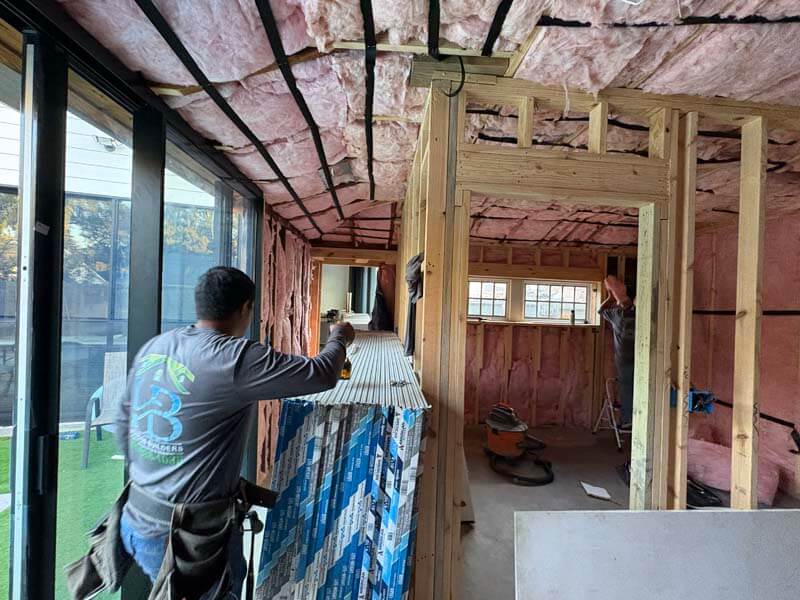
Additions and garage rebuilds can quickly move a project toward substantial improvement review. They often include foundation, framing, roofing, siding, electrical, HVAC, plumbing, drainage, concrete, and finish work. That is a much larger cost package than a single-room update.
For room additions and conversions, Houston Builders reviews floodplain status, structure value, proposed scope, elevation risk, and utility impacts before final design. For garage rebuilds, we look at slab, framing, roof, doors, electrical, drainage, and whether the space will remain garage or become living area.
We reviewed a garage rebuild in southwest Houston where the homeowner wanted to rebuild and add a small studio area. That small studio changed the conversation because it added conditioned space and more value. CE-1100 review helped the homeowner decide what scope made sense.
Table 7: Addition and Rebuild Cost Drivers
| Scope Area | Why It Adds Cost | 50% Rule Impact | Planning Question |
|---|---|---|---|
| Foundation | Slab, piers, elevation, grading, and drainage. | Major cost driver. | Does floodplain status require elevation changes? |
| Framing | Walls, roof, headers, sheathing, and structural connections. | Adds significant improvement value. | Is engineering needed? |
| Roofing | New roof areas, tie-ins, decking, flashing. | Can push total cost higher. | Is the roof part of a larger improvement package? |
| Utilities | Electrical, plumbing, HVAC, water heater, service upgrades. | Systems can be expensive. | Will utilities need elevation or relocation? |
| Interior finishes | Drywall, trim, flooring, cabinets, tile, paint. | Finishes add up fast. | Are finish allowances realistic? |
| Site work | Concrete, drainage, fill, driveways, access. | Can be tied to the improvement scope. | Will site work affect floodplain review? |
 How CE-1100 Affects the Project Timeline
CE-1100 can slow a project when it is discovered late. It can save time when it is handled early. The best sequence is to check floodplain status, determine structure value, define the full scope, prepare realistic costs, review the 50% threshold, and then decide whether to remodel, reduce scope, redesign, elevate, or phase work carefully within the rules.
Houston Builders uses CE-1100 early because it protects the homeowner from designing the wrong project. A two-week delay at the planning table is better than a two-month delay after demolition.
Table 8: Timeline Comparison With Early CE-1100 Review
| Phase | Slow Path | Houston Builders Path | How Time Is Saved |
|---|---|---|---|
| Concept planning | Design begins before floodplain math. | CE-1100 risk is reviewed early. | Prevents wrong-scope drawings. |
| Budgeting | Costs are split across separate bids without review. | Related costs are grouped for calculation. | More accurate permit planning. |
| Permit submittal | Worksheet is requested after missing information appears. | Worksheet is prepared with the permit strategy. | Cleaner review. |
| Demolition | Demo starts before threshold risk is known. | Demolition waits until the path is understood. | Avoids costly stop-work problems. |
| Design revisions | Plans change after substantial improvement is triggered. | Design options are compared before final drawings. | Less redesign cost. |
| Construction | Elevation requirements appear late. | Elevation risk is part of the project plan. | Better schedule control. |
“The worksheet is not the enemy. Finding out too late is the enemy. When we know the 50% Rule early, the homeowner can make a real decision.”

 How CE-1100 Connects to Houston Builders Services
CE-1100 can affect almost every major Houston Builders service in a floodplain property. Kitchen remodeling, bathroom remodeling, room additions and conversions, water damage restoration, roofing, exterior paint and siding, concrete work, and floors and stairs can all contribute to total project value.
The form does not care which room feels most important. It looks at the improvement package. That is why Houston Builders helps homeowners define the full scope before pricing, permitting, or scheduling.
Table 9: Services and 50% Rule Planning
| Service | CE-1100 Concern | Risk If Ignored | Planning Move |
|---|---|---|---|
| Kitchen remodeling | High-value finishes and trade work. | Project cost may be undercounted. | Include cabinets, appliances, electrical, plumbing, and finishes. |
| Bathroom remodeling | Multiple wet rooms add up quickly. | Several small remodels become a large total. | Review combined bathroom scopes. |
| Room additions | New square footage raises improvement value. | Mandatory elevation may be triggered. | Check floodplain status first. |
| Water damage restoration | Repair cost can interact with improvement rules. | Flood repairs may trigger review. | Document damage and repair costs carefully. |
| Roofing | Large roof scopes can add significant cost. | Roof work may push total project near threshold. | Include roofing in total project review. |
| Exterior siding | Envelope repairs and upgrades may be costly. | Optional upgrades can affect threshold. | Separate necessary repair from elective finish upgrades. |
 Keep Records After the Worksheet
After CE-1100 is completed, homeowners should keep records. The worksheet, estimates, permits, elevation documents, inspection records, repair photos, and final invoices can matter for insurance, resale, future remodeling, and floodplain review.
Table 10: Records to Keep for Future Floodplain Work
| Record | Why It Matters | When to Save It | Homeowner Tip |
|---|---|---|---|
| CE-1100 worksheet | Shows how the 50% Rule was calculated. | At permit planning and closeout. | Keep a digital and printed copy. |
| Structure valuation documents | Supports the value used in the calculation. | Before permit submittal. | Do not rely only on total property value. |
| Contractor estimates | Shows scope and cost assumptions. | Before work begins. | Keep versions if scope changes. |
| Final invoices | Shows actual project cost. | At completion. | Store with permit records. |
| Floodplain and elevation documents | May support future permits or insurance. | Before and after construction if applicable. | Keep in a dedicated home file. |
| Repair photos | Document existing damage and completed work. | Before, during, and after construction. | Label photos by date and area. |
“Good records make the next project easier. In floodplain homes, documentation is part of protecting the investment.”
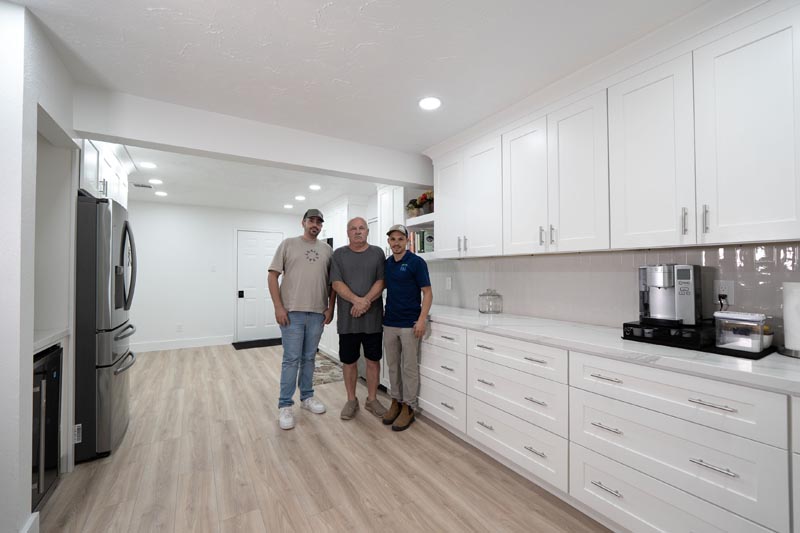
Project Video: Why Planning Matters Before Floodplain Remodeling
Here is a quick jobsite look at why sequencing, planning, and clear setup help remodeling work move faster once construction begins.
Final Takeaway: CE-1100 Tells You Whether the Remodel Is Really an Elevation Project
CE-1100 Substantial Improvement Worksheet matters because the 50% Rule can turn a normal-looking remodel into a mandatory elevation project. In floodplain neighborhoods like Meyerland, Bellaire, Braeswood, Westbury, Willow Meadows, and areas near Brays Bayou, this worksheet should be reviewed before demolition, before finish selections, before permits, and before the homeowner commits to a large scope.
The lesson is simple: calculate first. If the remodel stays below the threshold, the homeowner can move forward with more confidence. If the project approaches or crosses the line, the homeowner can choose a smarter path, whether that means redesigning, reducing scope, phasing carefully, or planning for elevation.
Houston Builders helps homeowners review floodplain remodel scope, pricing, documentation, and permit risk before construction begins. The 50% Rule is not something to fear. It is something to understand early enough to make the right decision.
Houston Builders serves Meyerland, Bellaire, Braeswood, Westbury, Willow Meadows, River Oaks, West University, Memorial Village, Tanglewood, Houston Heights, Montrose, Greenway, Upper Kirby, 77005, 77006, 77007, 77008, 77018, 77019, 77024, 77035, 77040, 77057, 77077, 77096, 77401, and 77494. Contact Houston Builders today at 832-888-1036 or visit us at 10101 Fondren Rd, Houston, TX 77096, to schedule your free estimate.