

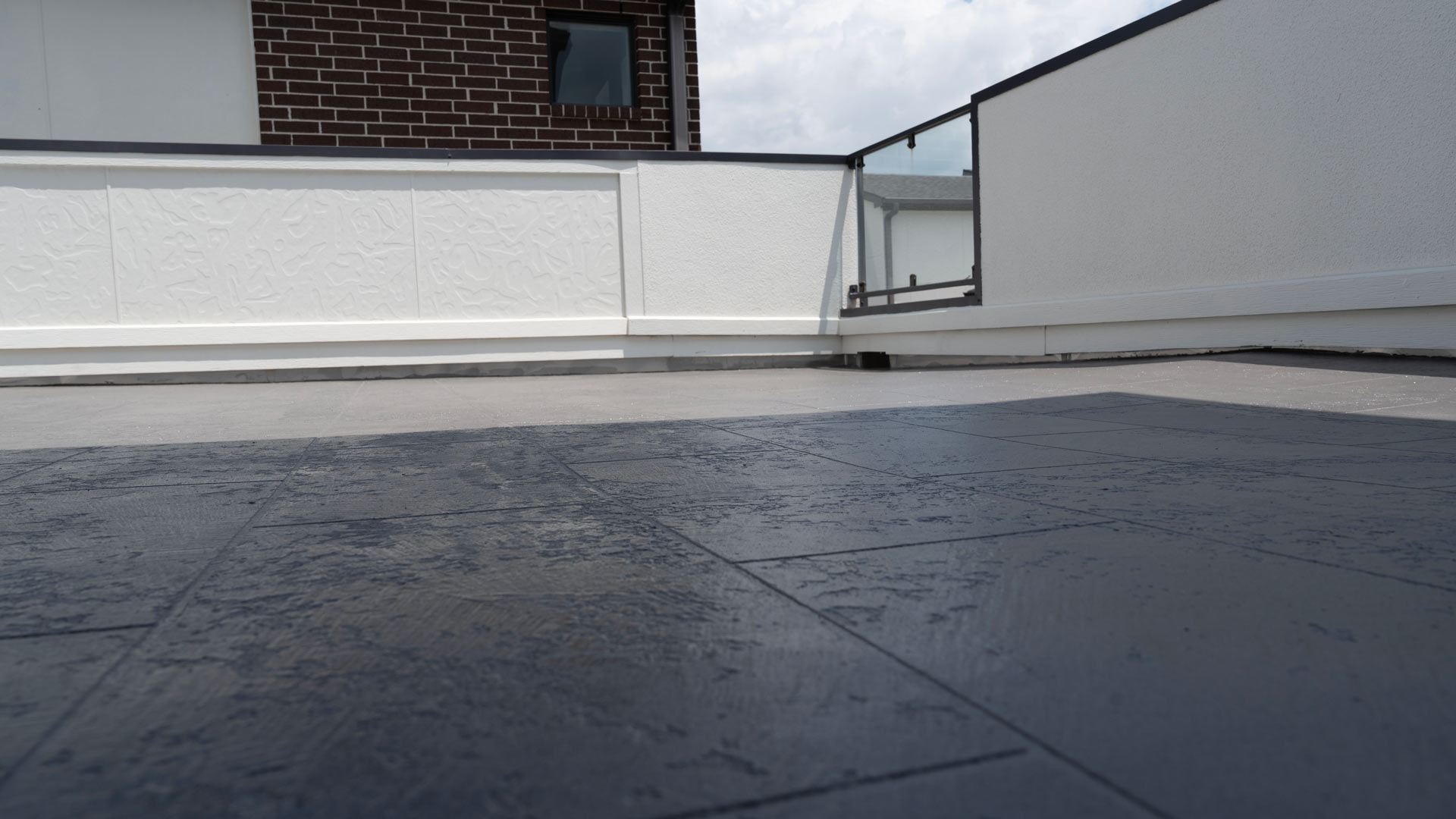
Balcony waterproofing stands as one of the most critical maintenance tasks for Houston Heights homeowners in the 77007 zip code. With the neighborhood’s unique blend of historic bungalows and modern townhomes, many properties feature second-story balconies that are constantly exposed to Houston’s challenging weather. Without proper waterproofing, these outdoor spaces can quickly become sources of costly structural damage, affecting not only the balcony itself but also the living spaces below.
Why Balcony Waterproofing Matters in the Heights
The 77007 area experiences Houston’s full range of weather extremes. Annual rainfall averaging 49 inches, combined with intense summer heat and occasional freeze events, creates a perfect storm for balcony deterioration. When water penetrates balcony surfaces, it doesn’t just stay there—it migrates downward, seeping into walls, ceilings, and structural supports.
“Balcony waterproofing isn’t just about keeping the deck dry,” explains Joe from Houston Builders Texas. “It’s about protecting your entire home’s structural integrity. We’ve seen cases where a small leak on a second-floor balcony caused $15,000 in damage to the first-floor ceiling, walls, and even foundation.”
The Heights faces additional challenges due to its older housing stock mixed with newer construction. Many historic homes have had balconies added during renovations, sometimes without adequate waterproofing considerations. Modern townhomes, while typically built to current codes, still require proactive maintenance to prevent water intrusion issues.
Common Balcony Waterproofing Problems in 77007
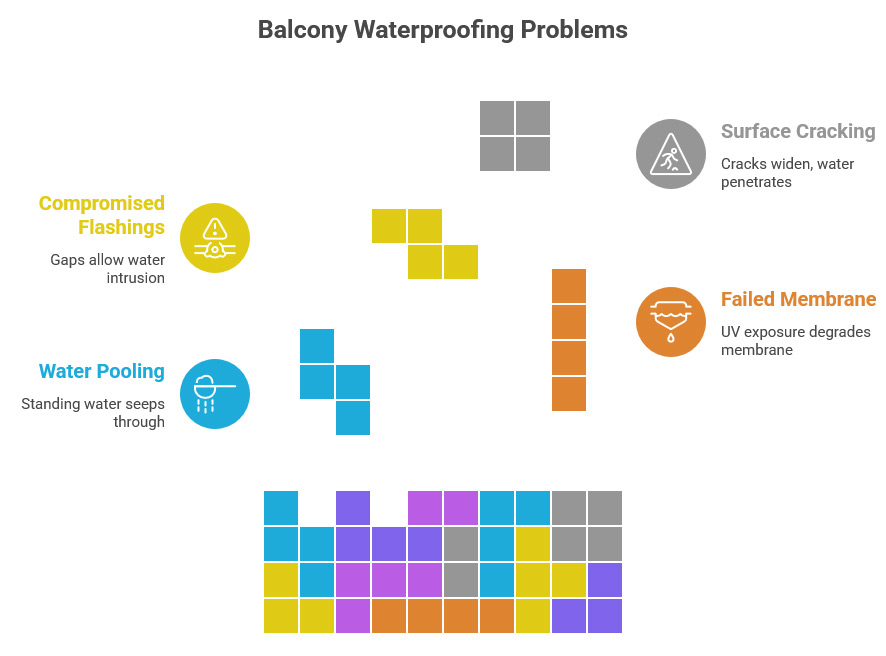
Water Pooling and Drainage Issues
Houston’s clay soil and flat terrain mean proper drainage is critical. Balconies without adequate slope allow water to pool, creating standing water that gradually seeps through even sealed surfaces. Industry standards define ponding water as any water still standing after 48 hours with temperatures above 80 degrees and direct sunlight—a common occurrence in Houston’s climate.
The freeze-thaw cycles, though less frequent than in northern climates, still cause expansion and contraction that accelerate deterioration. More concerning is Houston’s persistent humidity, which keeps surfaces moist even between rain events.
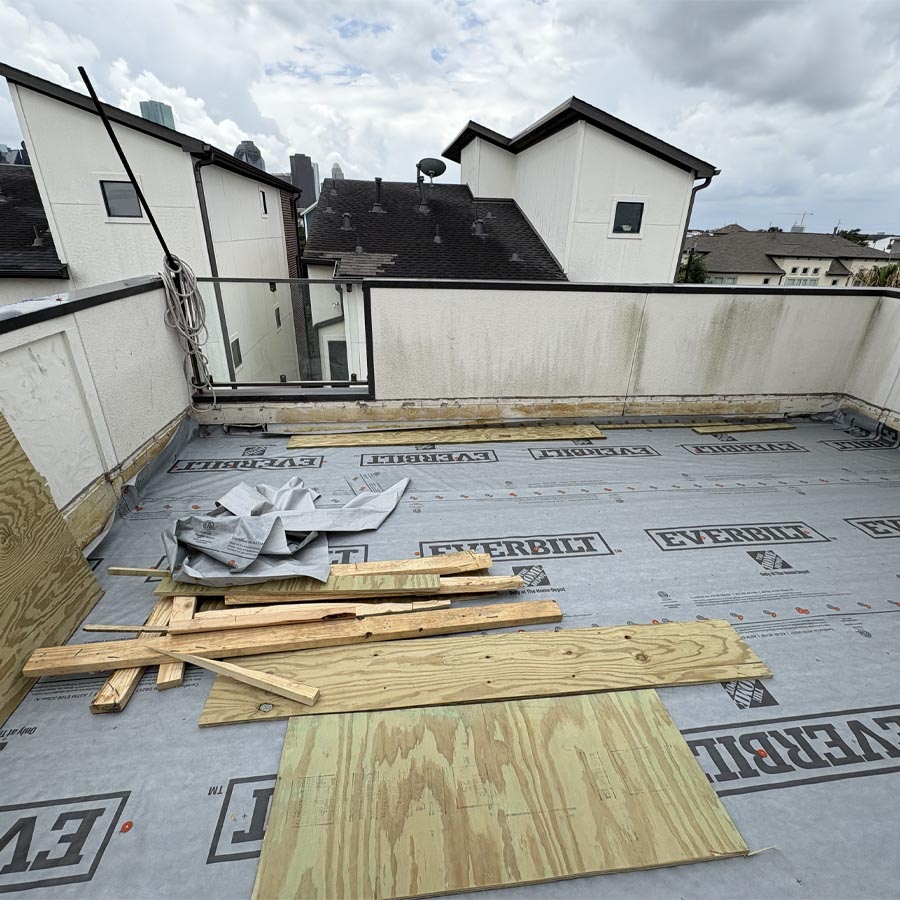
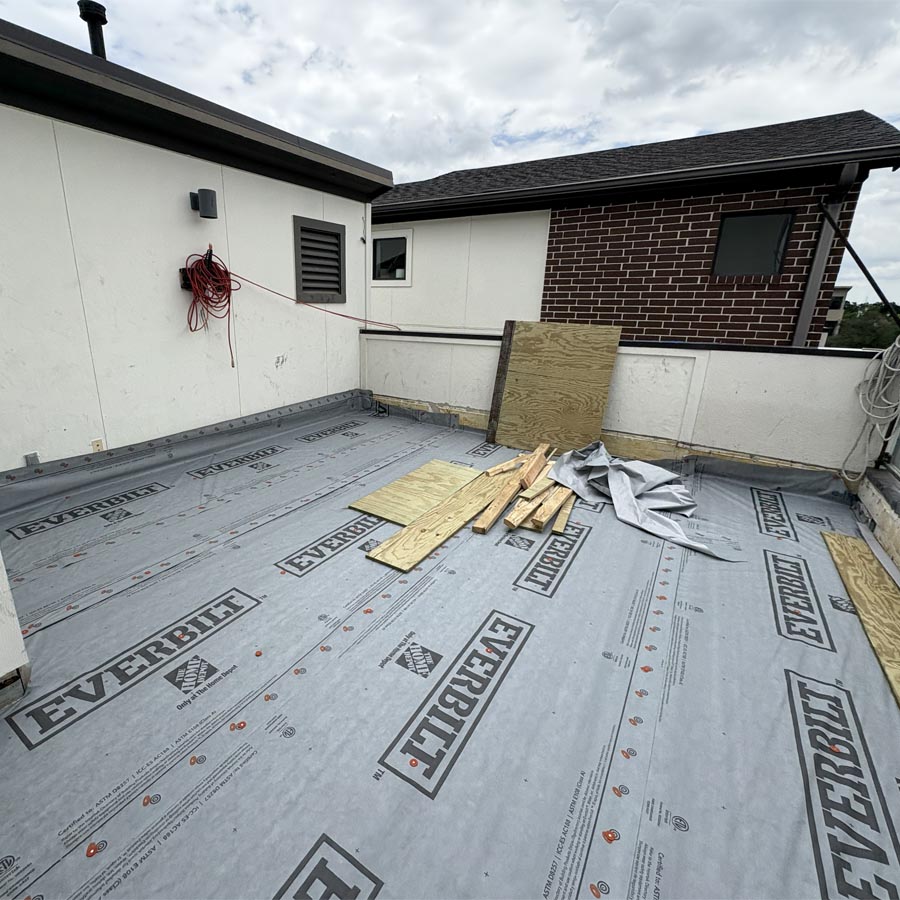
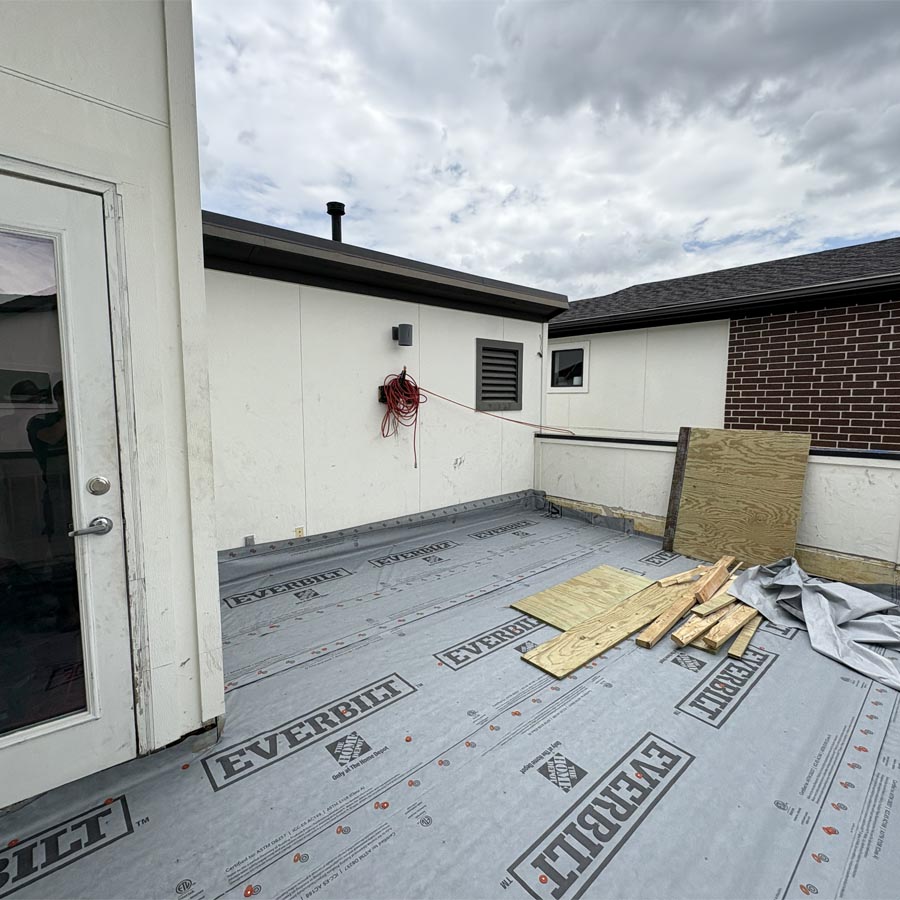
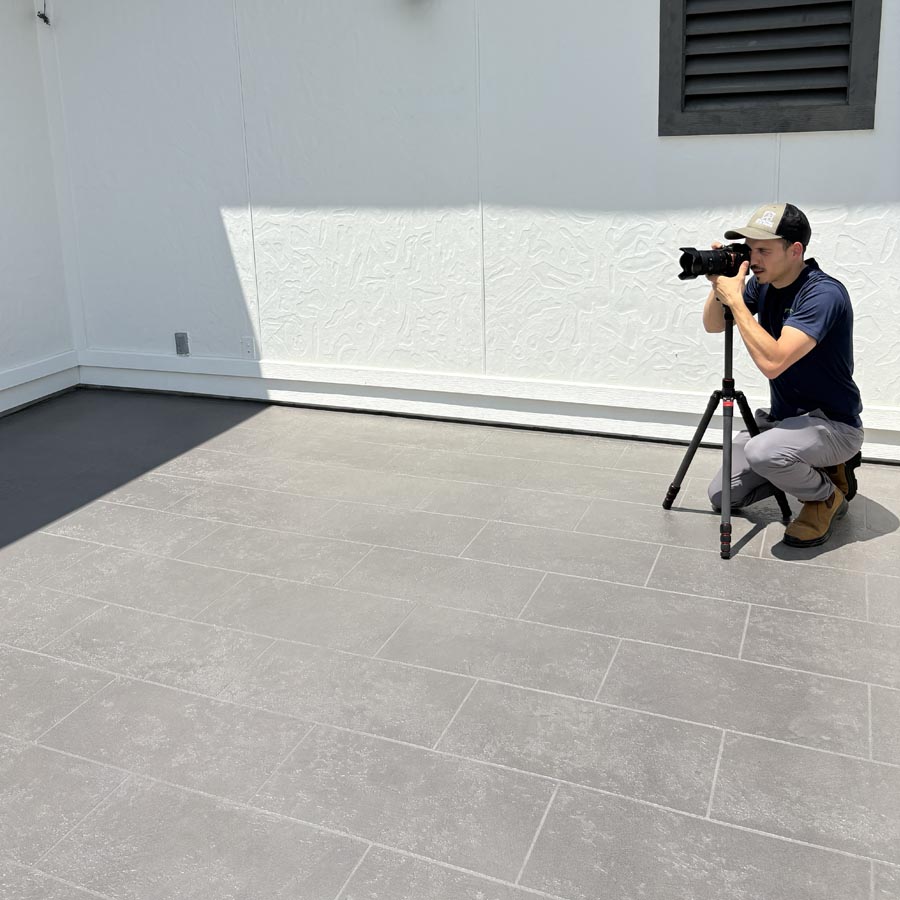
Balcony Waterproofing Project in Houston, TX
Failed Membrane Systems
Many balconies rely on waterproof membrane systems installed beneath the surface material. Over time, these membranes can fail due to UV exposure at seams, punctures from furniture or planters, or simple age-related degradation. Once the membrane fails, water can reach the structural deck below.
Understanding what voids warranties helps identify vulnerable points. Unauthorized penetrations in waterproofing systems—such as drilling for planters, railings, or fixtures without proper sealing—represent the most common cause of premature system failure.
Compromised Flashings and Transitions
The points where balconies meet building walls represent the most vulnerable areas for water intrusion. Flashings—metal or composite barriers that direct water away from these transitions—can separate from walls, develop gaps, or corrode. In the Heights’ humid climate, even small gaps can lead to significant moisture problems.
All exterior penetrations, including scuppers, electrical outlets, light fixtures, doors, windows, vents, and railings, must be adequately sealed. Many waterproofing failures trace back to improperly sealed penetrations rather than membrane defects.
Surface Cracking and Deterioration
Concrete and tile surfaces develop cracks from settlement, thermal expansion, and everyday wear. What starts as a hairline crack can widen over freeze-thaw cycles and Houston’s temperature swings, allowing more water to penetrate deeper layers.
Structural issues pose particular risks. Settling of the residence or subsidence can cause surface cracking that compromises even properly installed waterproofing. This highlights why proper structural support must precede waterproofing installation.
Professional Waterproofing Systems and Methods
Multi-Layer Waterproofing Approach
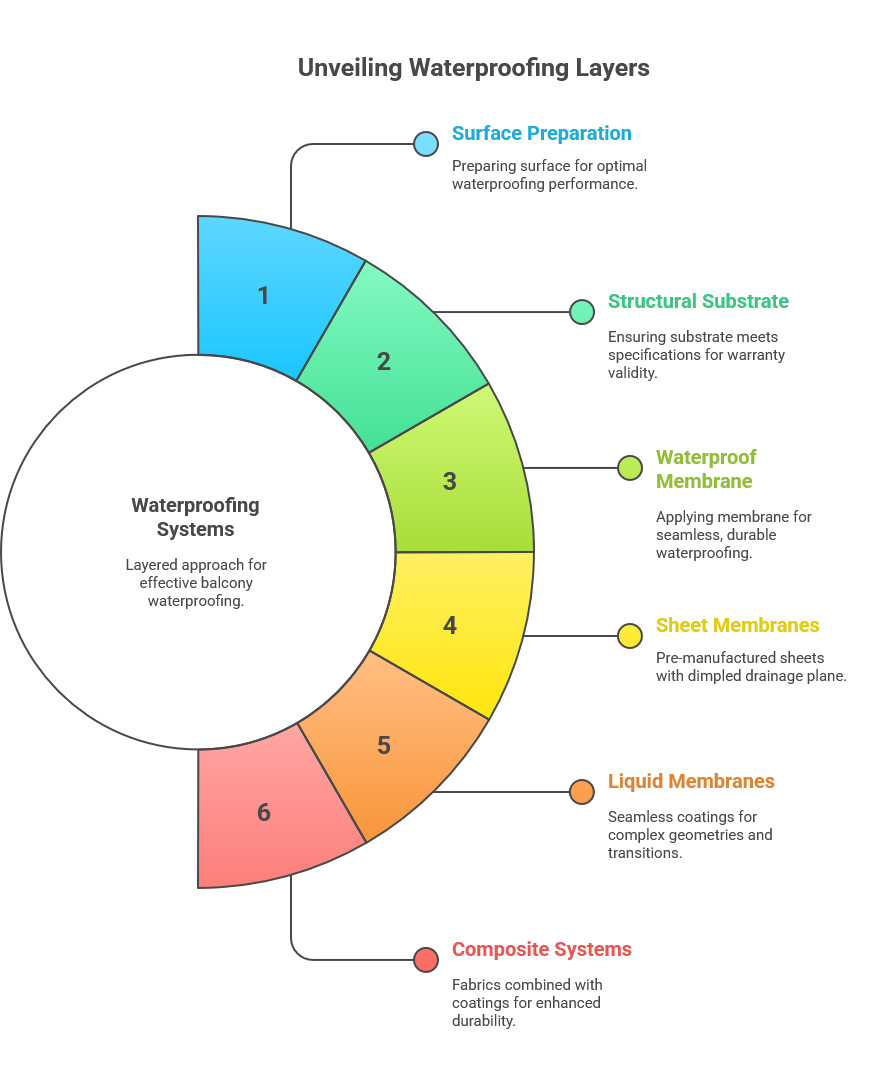
Modern balcony waterproofing uses a layered defense strategy. The process begins with surface preparation—removing old materials down to the structural deck, repairing any damage, and ensuring proper drainage slope. A minimum 1/4-inch-per-foot slope directs water toward drains or edges.
Critical to long-term success: the structural substrate must meet specifications before waterproofing begins. If the framing or concrete substrate fails to meet requirements, warranties become void, leaving homeowners with no protection against future failures.
The next layer involves applying a waterproof membrane. Options include sheet membranes, liquid-applied membranes, or composite systems. Each offers different advantages:
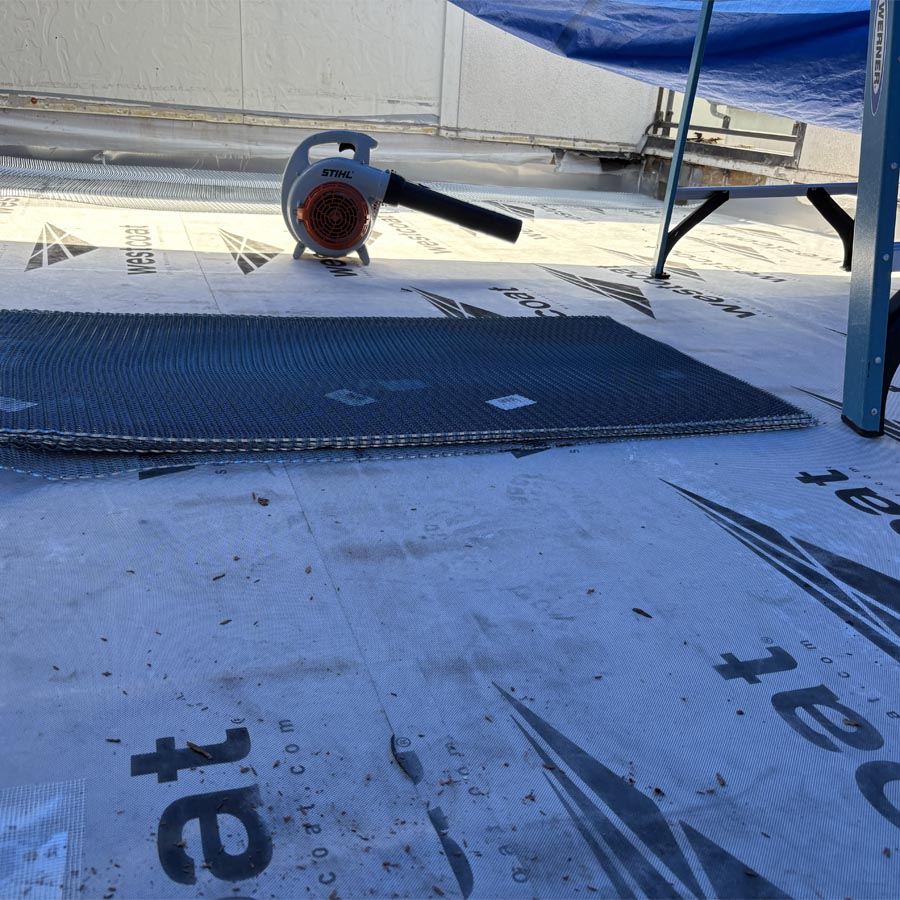
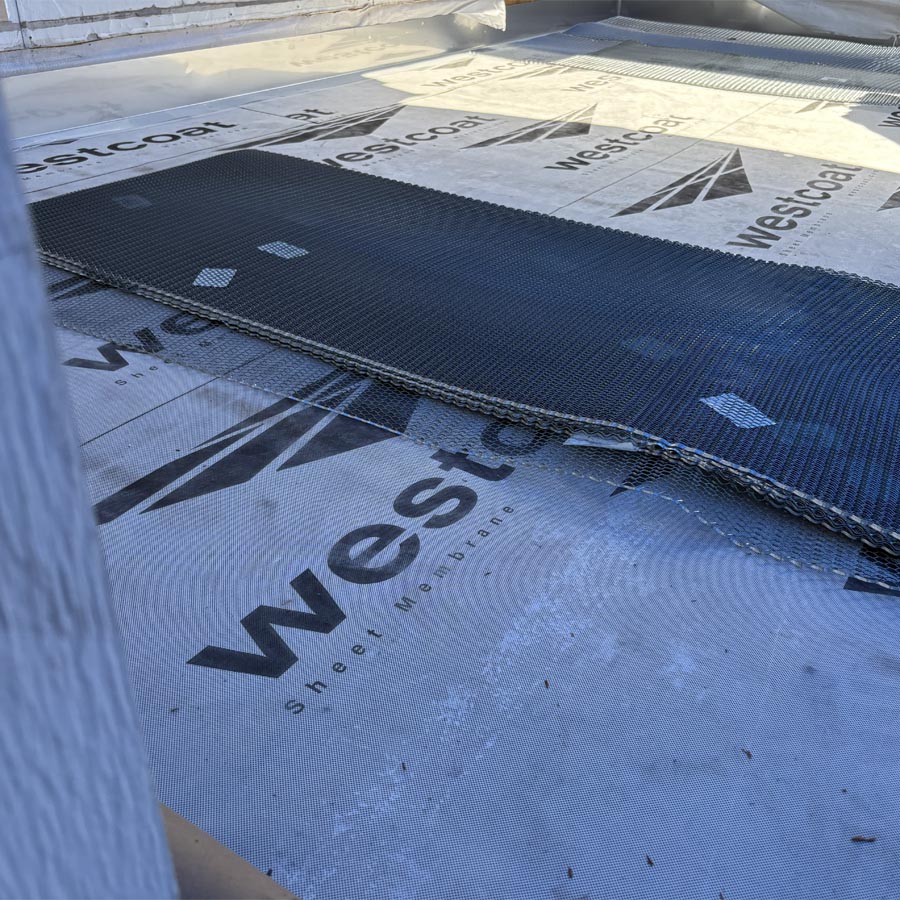
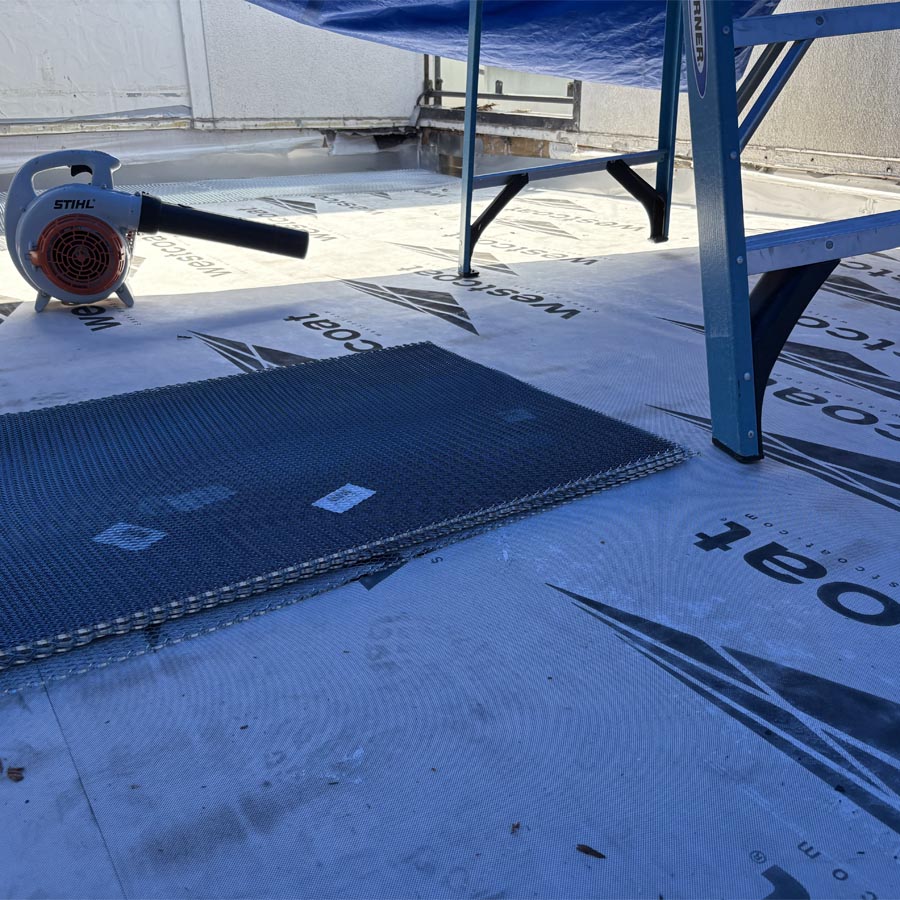
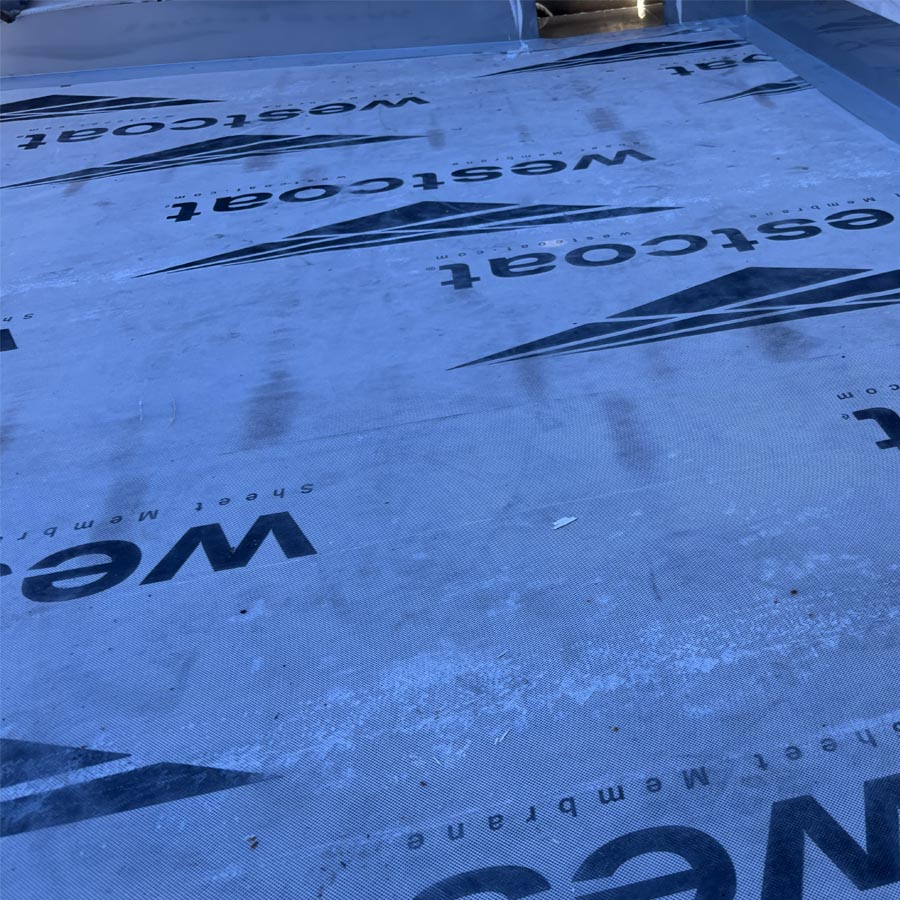
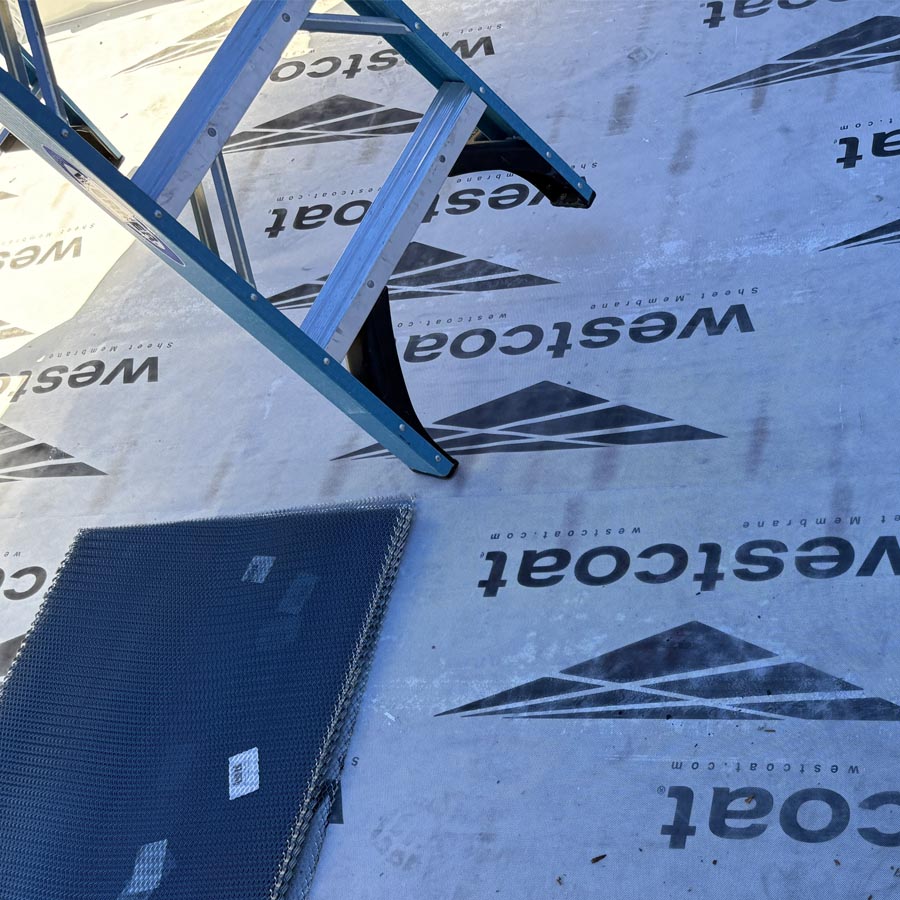
Sheet Membranes: Pre-manufactured sheets rolled out and adhered to the deck surface. Westcoat Smart Membrane, visible in many Houston installations, provides a dimpled drainage plane that allows water to move laterally toward drains even if it penetrates the surface layer.
Liquid Membranes: Polyurethane or modified asphalt coatings applied with rollers or sprayers. These create seamless barriers, particularly effective around complex geometries, penetrations, and transitions.
Composite Systems: Combining fabrics with liquid coatings for enhanced durability and bridging capability over cracks.
Critical Inspection Requirements
Professional waterproofing requires inspection before any additional materials are installed over the membrane. This inspection, documented in writing by qualified representatives, ensures that the waterproofing system functions properly before it is covered. Skipping this step can void warranties and leave defects hidden until water damage becomes apparent.
Drainage Layer Installation
Above the waterproof membrane, a drainage layer prevents water from sitting directly on the waterproofing. Dimpled drainage mats, like those shown in the project images, create air gaps allowing water to flow freely to drains. This layer also protects the membrane from punctures during the installation of surface material.
Surface Material Selection
The final walking surface must balance aesthetics, durability, and water resistance. Popular options in 77007 include:
- Porcelain tile: Highly water-resistant, available in various styles, requires proper installation over waterproofing
- Composite decking: Lower maintenance than wood, good water resistance, works well with modern aesthetics
- Concrete with sealer: Durable, can be stamped or stained, needs periodic resealing
- Natural stone: Beautiful but requires more maintenance; proper sealing is essential
An important consideration: placing certain materials over waterproofing systems can significantly reduce warranty coverage. Items that absorb or trap water—including rugs, door mats, and potted plants sitting directly on the surface—can reduce warranties from 10 years to just 1 year due to the increased risk of moisture-related damage.
Understanding Waterproofing Warranties
Quality waterproofing systems come with substantial warranty protection, but understanding the terms ensures you maintain full coverage throughout the warranty period.
Standard Warranty Coverage
Professional waterproofing typically includes warranties covering 2 years of labor and 10 years of materials. This protects against defects in the original scope of work performed by qualified contractors.
What Warranties Don’t Cover
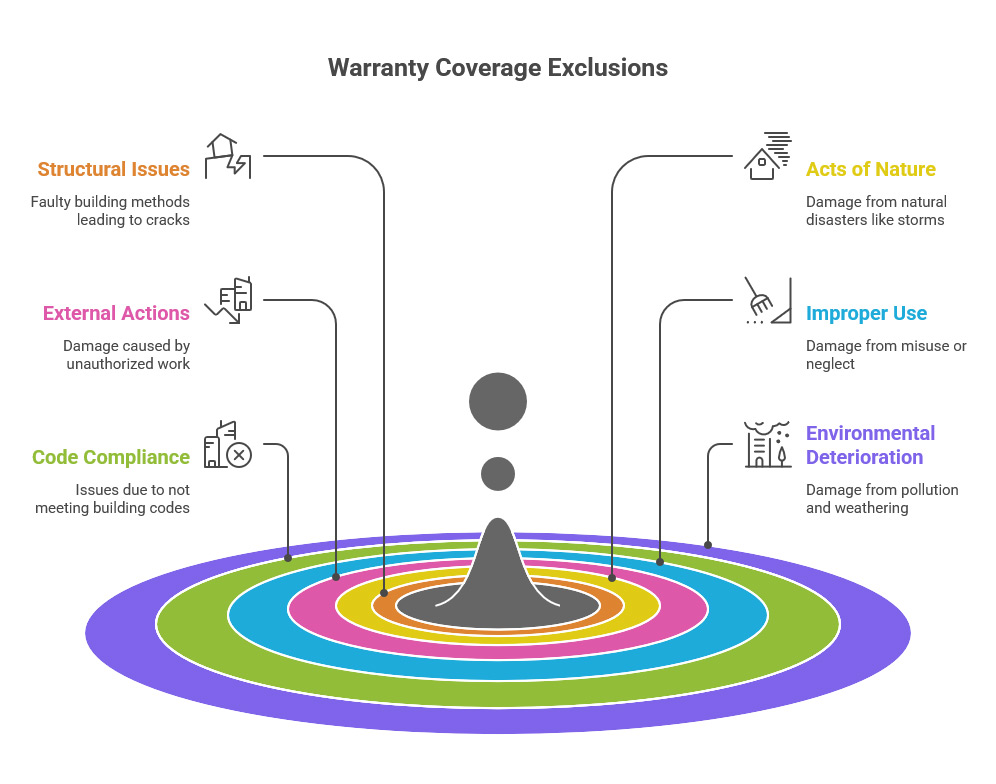
Several conditions void warranty coverage or fall outside warranty protection:
Structural Issues: Faulty building methods, structural defects, settling of the residence, or subsidence that causes surface cracking
Acts of Nature: Storm damage, floods, hurricanes, earthquakes, tornadoes, lightning, fire, or other natural disasters
External Actions: Materials installed by others, vandalism, collision, intentional damage, or work performed by anyone other than authorized waterproofing specialists
Improper Use: Dragging or dropping objects across surfaces, penetrations made without written approval, covering surfaces with moisture-trapping materials
Code Compliance: Non-compliance with local building codes
Environmental Deterioration: Effects of acid rain, pollution, or normal weathering
Maintaining Warranty Coverage
To keep warranties valid, homeowners must fulfill specific obligations:
Required Inspections: Professional inspection one year after installation, then every two years thereafter by authorized representatives. These inspections must be documented in writing.
Maintenance Schedules: The system requires resealing with appropriate topcoats every 3-5 years, depending on UV exposure and traffic patterns.
Record Keeping: All inspection records must be maintained. Warranty claims require proof of purchase and inspection records.
Prompt Reporting: Any warranty claims or damage must be reported in writing within 30 days of discovery.
Installation Inspection: The waterproofing system must be inspected before any surface materials are installed over it. This critical step cannot be skipped.
Cost Analysis for Balcony Waterproofing in Houston Heights
Understanding the investment requirement for balcony waterproofing helps homeowners plan and budget appropriately. Costs vary based on balcony size, existing condition, material choices, and access difficulty.
| Project Component | Cost Range (per sq ft) | Notes |
|---|---|---|
| Demolition & Removal | $3-$6 | Includes disposal of old materials, higher for tile removal |
| Structural Repairs | $25-$50 | Only if wood rot or concrete damage is found |
| Waterproof Membrane | $8-$15 | Quality membranes cost more but last longer |
| Drainage Layer | $4-$8 | Essential for longevity, often overlooked |
| Surface Material | $10-$35 | Wide range based on tile, composite, or stone choice |
| Flashing & Transitions | $15-$25 per linear foot | Critical areas, never skimp here |
| Labor (Total Project) | $45-$75 per hour | Includes skilled waterproofing specialists |
Sample Project Costs
Small Balcony (Balconyft)
- Total Investment: $3, Investment
- Timeline: 3-5 days
- Includes: Complete waterproofing system, porcelain tile surface
Medium Balcony (200 sq ft)
- Total Investment: $6, Investment0
- Timeline: 5-7 days
- Includes: Full system with premium materials, custom tile work
Large Balcony (Balcony ft)
- Total Investment: $10Investment00
- Timeline: 7-10 days
- Includes: Advanced waterproofing, designer surface materials, structural enhancements
“The upfront investment in quality waterproofing pays for itself many times over,” Joe notes. “We’ve had clients who spent $8,000 on proper waterproofing to avoid $25,000 in water damage repairs down the road. It’s not just about protecting the balcony—it’s about protecting everything below it.”
Long-Term Cost Considerations
| Maintenance Item | Frequency | Cost Range | Purpose |
|---|---|---|---|
| Professional Inspection | Year 1, then every 2 years | $150-$300 | Required for warranty, identifies issues early |
| Surface Resealing | Every 3-5 years | $3-$8 per sq ft | Protects waterproofing, maintains appearance |
| Deep Cleaning | Quarterly | $100-$200 | Removes debris, prevents drainage issues |
| Drain Maintenance | Monthly | DIY or $75-$150 | Ensures proper water flow |
| Grout Repair | As needed | $5-$15 per linear foot | Prevents water penetration |
These maintenance costs represent a fraction of the cost of waterproofing replacement. A 200-square-foot balcony requiring complete replacement could cost $6,500-$11,000, while consistent maintenance typically runs $500-$800 annually.
The Professional Installation Process
Initial Assessment and Planning
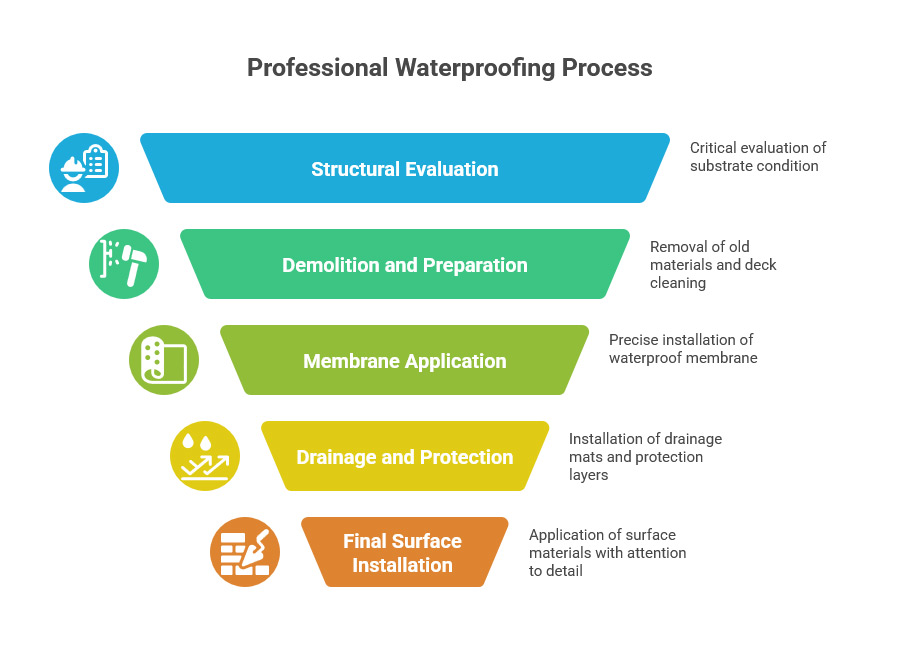
Professional waterproofing begins with a thorough inspection. Contractors examine the existing surface, probe for soft spots indicating water damage beneath, check drainage patterns, and inspect all transitions and flashings. This assessment determines the scope of work and identifies any structural issues requiring attention before waterproofing.
Critical evaluation focuses on substrate condition. The framing and concrete substrate must meet specifications before any waterproofing begins. Contractors verify proper structural support, adequate slope, and absence of existing damage that could compromise the new system.
Demolition and Preparation
Complete removal of existing surface materials exposes the structural deck. This stage often reveals hidden damage—rotted wood, rusted fasteners, or compromised concrete. All damaged materials must be replaced or repaired before proceeding. The exposed deck is then thoroughly cleaned and dried.
Any structural defects discovered at this stage must be resolved before waterproofing installation and proceeding without addressing these issues not only risks system failure but also voids warranty protection.
Membrane Application
Waterproof membrane application requires a precise technique. Surface preparation ensures proper adhesion. Primers may be applied first. The membrane is then carefully installed, paying particular attention to details:
- Corners and penetrations receive extra reinforcement
- All seams overlap according to the manufacturer’s specifications
- Transitions to walls include proper flashing integration
- Drain areas are carefully detailed to ensure water-tight connections
Before any surface materials are installed over the membrane, a qualified inspector must examine and document the waterproofing system. This inspection report, signed by authorized representatives, activates warranty coverage and provides documentation of proper installation.
Drainage and Protection Layers
Once the waterproof barrier is in place and inspected, drainage mats are installed. These lightweight but durable layers create the pathway for water movement. Protection fabrics may be added above drainage layers to prevent the final surface installation from damaging the underlying waterproofing.
Final Surface Installation
The walking surface installation follows tile industry standards or manufacturer specifications. Proper mortar selection, joint widths, and sealing ensure water moves across the surface toward drains rather than penetrating through joints. Edges receive careful attention, with termination bars or trim pieces providing finished appearances while maintaining water-tight integrity.
Houston Building Codes and Requirements
The Houston 2021 Construction Code modernization brought updated requirements for waterproofing in residential construction. While many existing balconies were built under older codes, any substantial remodel must meet current standards.
Key Code Requirements for 77007
Structural Loading: Balconies must support a 60-pound-per-square-foot live Load, with additional consideration for concentrated loads. Waterproofing systems cannot compromise structural capacity.
Drainage: Positive drainage is mandatory. Standing water after rain events indicates code violations—minimum slopes of 1/4 inch per foot direct water away from building walls and toward drains or edges.
Flashings: The International Residential Code requires water-resistant barriers and flashings at all horizontal-to-vertical transitions. Metal flashings must resist corrosion in Houston’s humid climate.
Railings: Though not strictly waterproofing-related, railing posts penetrating balcony surfaces require special waterproofing details to prevent water entry around fasteners. All such penetrations must be appropriately sealed to maintain warranty coverage.
Permit Requirements
Most balcony waterproofing projects in the Heights require permits from the City of Houston. The permit process ensures work meets code requirements and provides documentation for future home sales. Permitted work typically includes:
- Structural repairs or modifications
- Complete waterproofing system replacement
- Changes to drainage systems
- Railing replacements involving structural connections
Working with licensed contractors familiar with Houston’s permit process streamlines approvals and ensures inspections are scheduled appropriately during the project.
Maintenance and Long-Term Care
Even the best waterproofing systems require ongoing maintenance to achieve their full lifespan. Houston Heights homeowners should implement regular care routines.
Daily and Weekly Maintenance
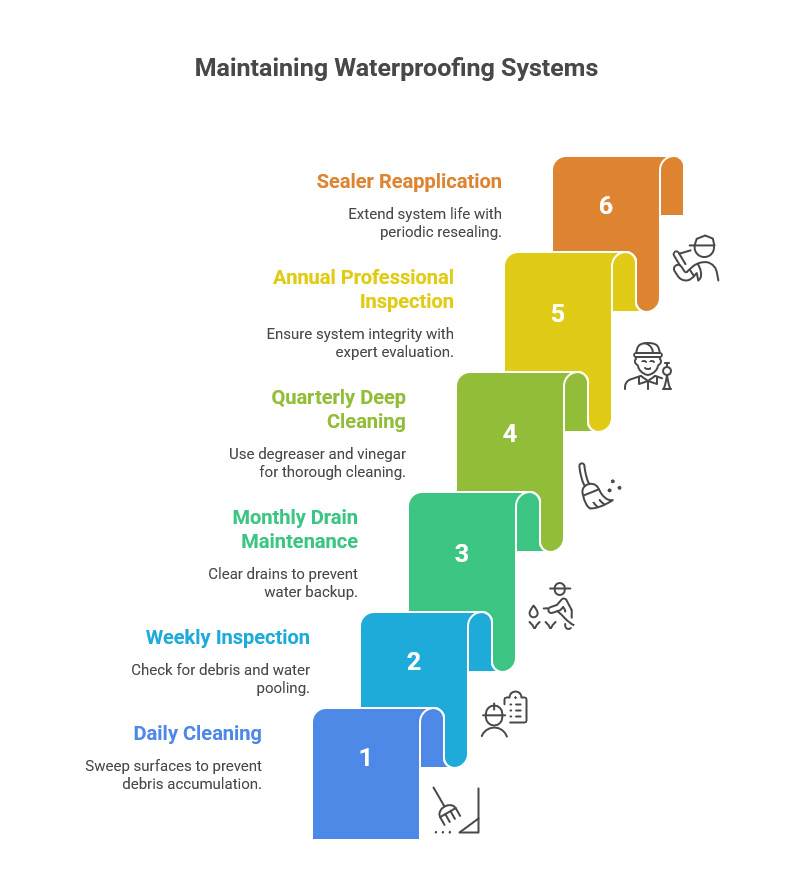
Regular Cleaning: Exterior surfaces can be swept daily with a broom and water. This simple step prevents debris from accumulating, which can trap moisture and accelerate deterioration.
Weekly Inspection: Walk your balcony, checking for debris near drains, noting any standing water, and observing surface conditions.
Monthly Maintenance Tasks
Drain Maintenance: Keep drains clear of leaves, dirt, and debris. Clogged drains cause water backup and pooling, accelerating the deterioration of waterproofing. Inspect drains monthly and clean as needed.
Surface Inspection: Look for new cracks, loose tiles, or separation at wall transitions. Early detection prevents minor issues from becoming major problems.
Quarterly Deep Cleaning
For tougher dirt or grease, use a degreaser diluted with water at a 20:1 ratio along with a soft-bristle brush or broom. Always rinse thoroughly after cleaning.
To remove calcium or lime buildup common in Houston’s water, brush diluted 100-grain vinegar onto affected areas. Rinse thoroughly to prevent residue buildup.
Avoid pressure washers, which can force water through joints and damage waterproofing membranes.
Annual and Biennial Requirements
Professional Inspections: Required one year after installation and every two years thereafter. These inspections by authorized representatives must be documented in writing to maintain warranty coverage.
During inspections, professionals evaluate:
- Surface condition and any developing cracks
- Drainage effectiveness
- Membrane integrity (where accessible)
- Flashing and transition points
- Overall system performance
Sealer Reapplication: Most systems require resealing with appropriate topcoats every 3-5 years, depending on UV exposure and traffic patterns. This maintenance extends system life significantly and is required for warranty validity.
What to Avoid
Several standard practices void warranties and damage waterproofing systems:
Don’t Cover with Moisture-Trapping Materials: Rugs, door mats, potted plants (without proper protection), or any items that absorb and trap water can reduce warranty coverage from 10 years to 1 year. If you must use these items, place them on protective pads made of plastic or other non-corrosive materials that allow air circulation.
Don’t Slide Heavy Objects: Dragging furniture or heavy objects across surfaces can damage the waterproofing membrane and void warranties.
Don’t Make Penetrations: Never drill, nail, or otherwise penetrate the waterproofing system without written approval from waterproofing specialists. Unauthorized penetrations immediately void warranty coverage.
Don’t Apply Adhesives: Gluing items directly to the waterproofed surface can damage the system.
Don’t Use Improper Cleaning Methods: Harsh chemicals, abrasive tools, or pressure washers can compromise surface integrity.
Winter Construction Advantages in Houston
Houston’s mild winters create ideal conditions for balcony waterproofing projects. The cooler, drier months from November through March offer several advantages over summer installation.
Temperature Stability: Many waterproofing materials perform optimally when applied and cured in temperatures between 50-85°F. Summer’s extreme heat can cause rapid curing, potentially compromising adhesion and performance.
Lower Humidity: While Houston never gets truly dry, winter months see relative humidity levels 10-15% lower than summer. This allows moisture to evaporate more effectively from substrates before the waterproofing application—critical for proper membrane adhesion.
Contractor Availability: Demand for outdoor construction work decreases during winter, meaning shorter wait times and more flexible scheduling. Contractors can dedicate focused attention to your project without juggling multiple summer jobs.
Faster Project Completion: With more stable weather patterns and fewer weather delays, winter projects typically complete faster than those started during Houston’s storm season.
Reduced Disruption: Cooler temperatures make it more comfortable to keep doors and windows open during work, reducing disruption to your daily routine.
Choosing the Right Contractor in 77007
Selecting a qualified waterproofing contractor makes the difference between a successful long-term solution and an expensive failure. Look for these qualifications:
Experience and Specialization
General contractors may offer waterproofing services, but specialists with dedicated experience in balcony waterproofing bring valuable expertise. Ask about similar projects in the Heights, request references, and, if possible, view completed work.
Verify the contractor uses recognized waterproofing systems with manufacturer backing. Products from established manufacturers like Westcoat come with technical support and proven track records in Houston’s climate.
Licensing and Insurance
Texas requires contractors performing work valued at $5,000 or more to register with the Texas Department of Licensing and Regulation. Verify current registration and ensure the contractor carries both general liability insurance and workers’ compensation coverage.
Request copies of insurance certificates and verify coverage is current. This protection shields you from liability if injuries occur during the project.
Warranty Coverage
Quality contractors stand behind their work with written warranties. Standard coverage includes 2 years of labor and 10 years of materials, but understand the terms:
What’s Covered: Defects in artistry and materials within the original scope of work
What’s Not Covered: Structural issues, unauthorized modifications, lack of maintenance, external damage, or code violations
Requirements: Regular inspections, documented maintenance, prompt reporting of issues, and proper use of the balcony
GBalcony warranty terms in writing before work begins. Review exclusions carefully and understand your maintenance obligations.
Local Knowledge
Houston’s unique challenges—clay soil movement, hurricane exposure, and humidity—require local expertise. Contractors familiar with 77007 understand the specific issues Heights homes face and can recommend appropriate solutions.
Ask about their experience with Houston’s permit process, knowledge of local building codes, and relationships with inspectors. These factors significantly affect project timelines and success.
Documentation and Communication
Professional contractors provide:
- Detailed written estimates breaking down all costs
- Clear timelines with milestone dates
- Material specifications and manufacturer information
- Warranty documentation
- Maintenance schedules and requirements
- Regular communication throughout the project
Avoid contractors who provide vague estimates, lack written agreements, or cannot explain their waterproofing approach in detail.
Real Results: A Heights Balcony Transformation
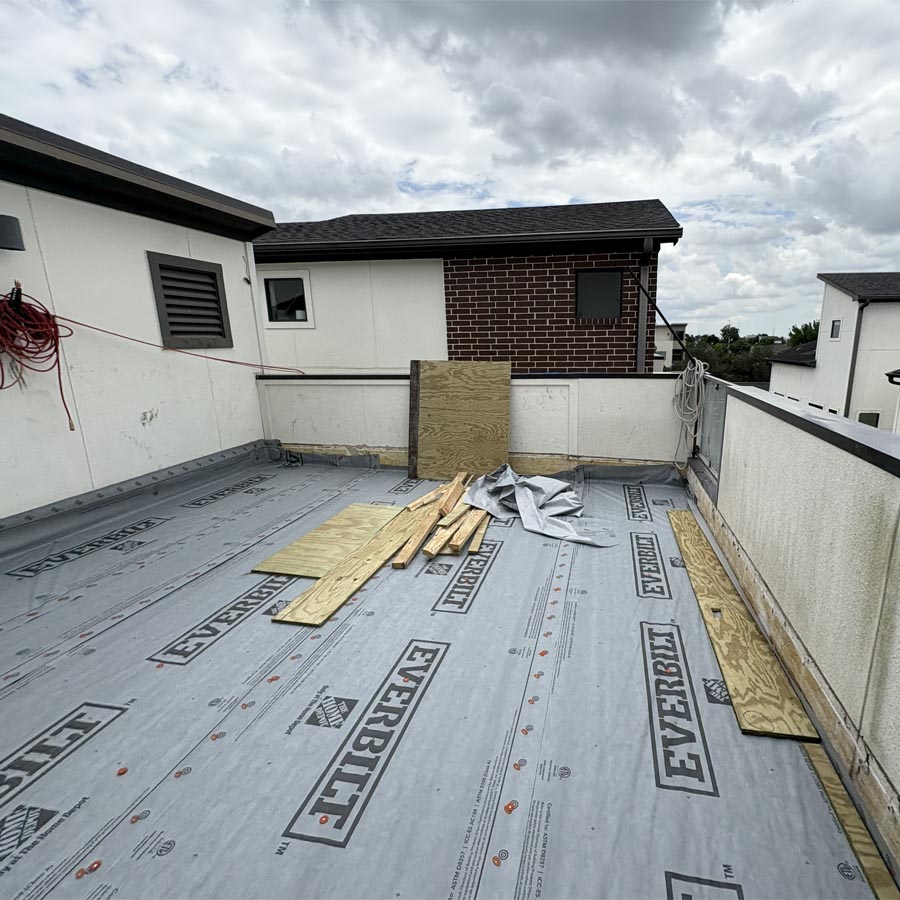
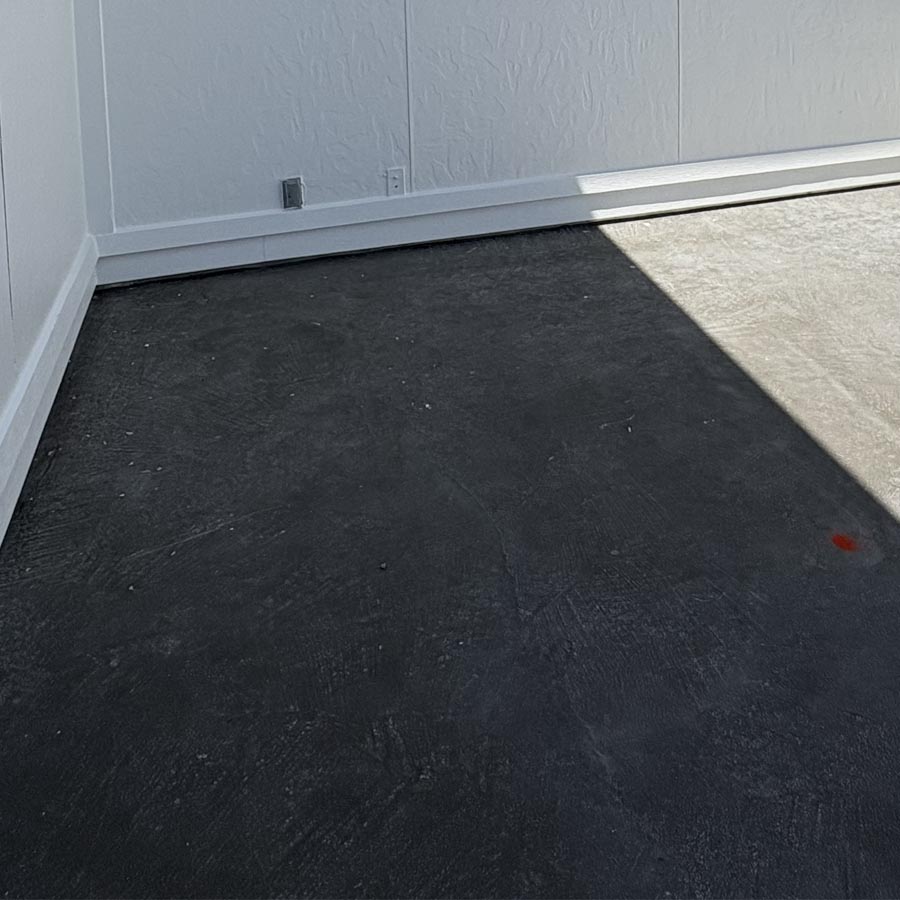
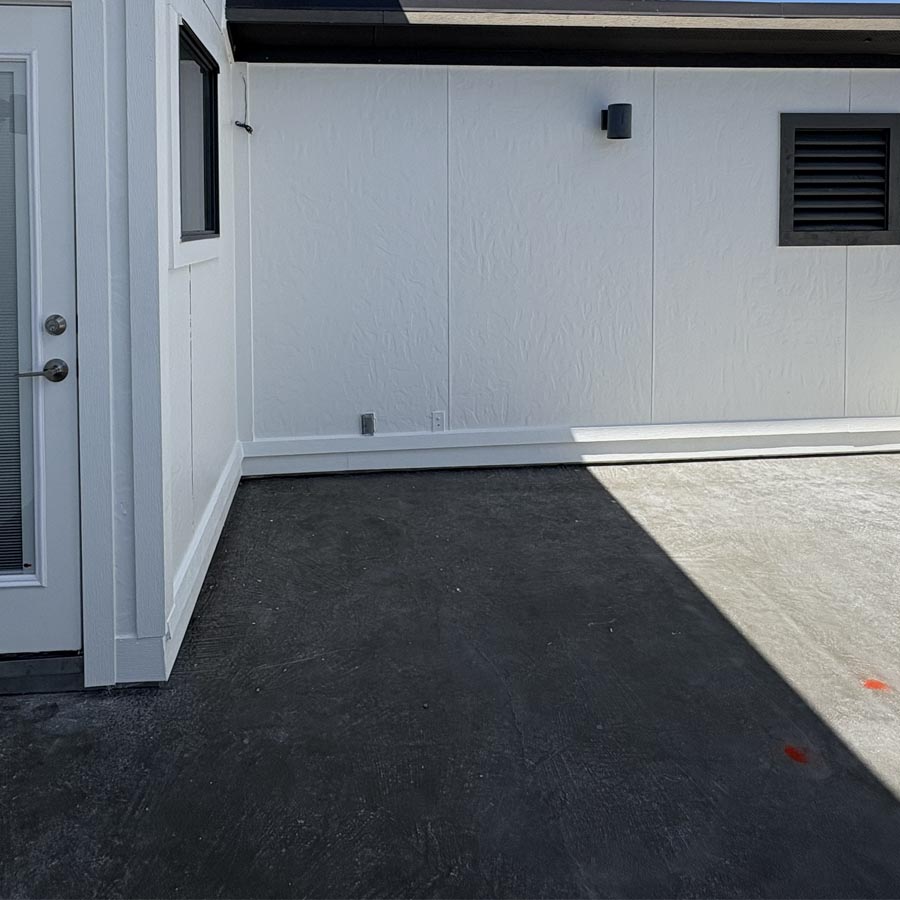
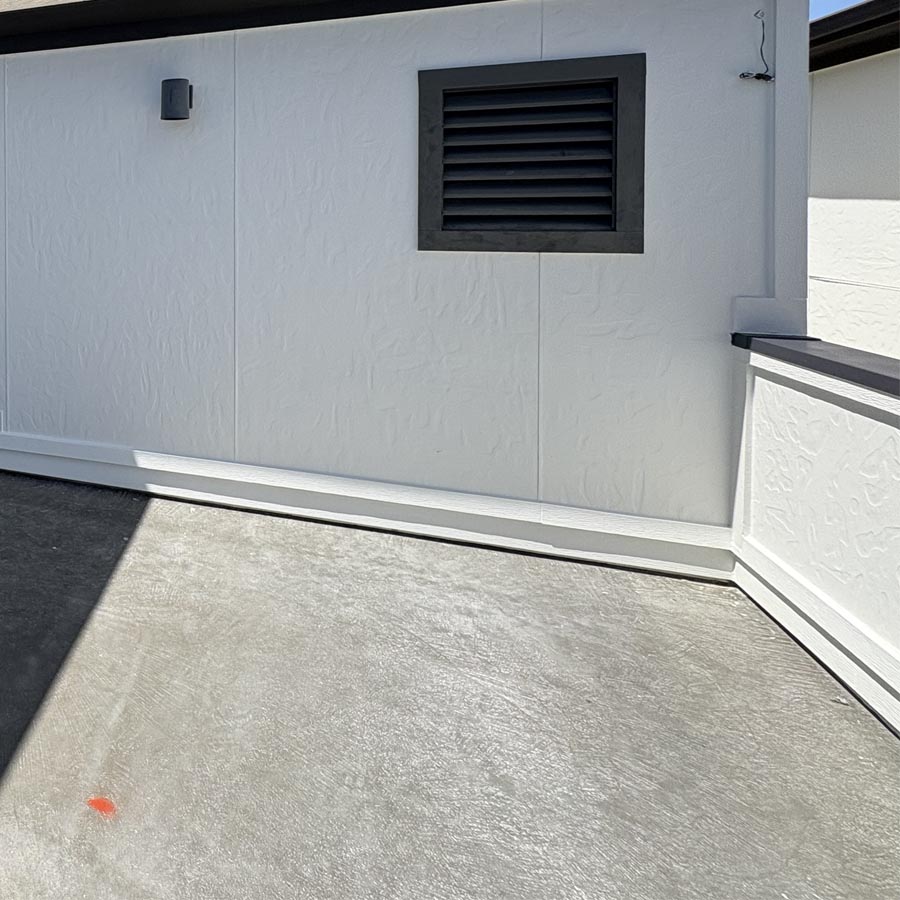
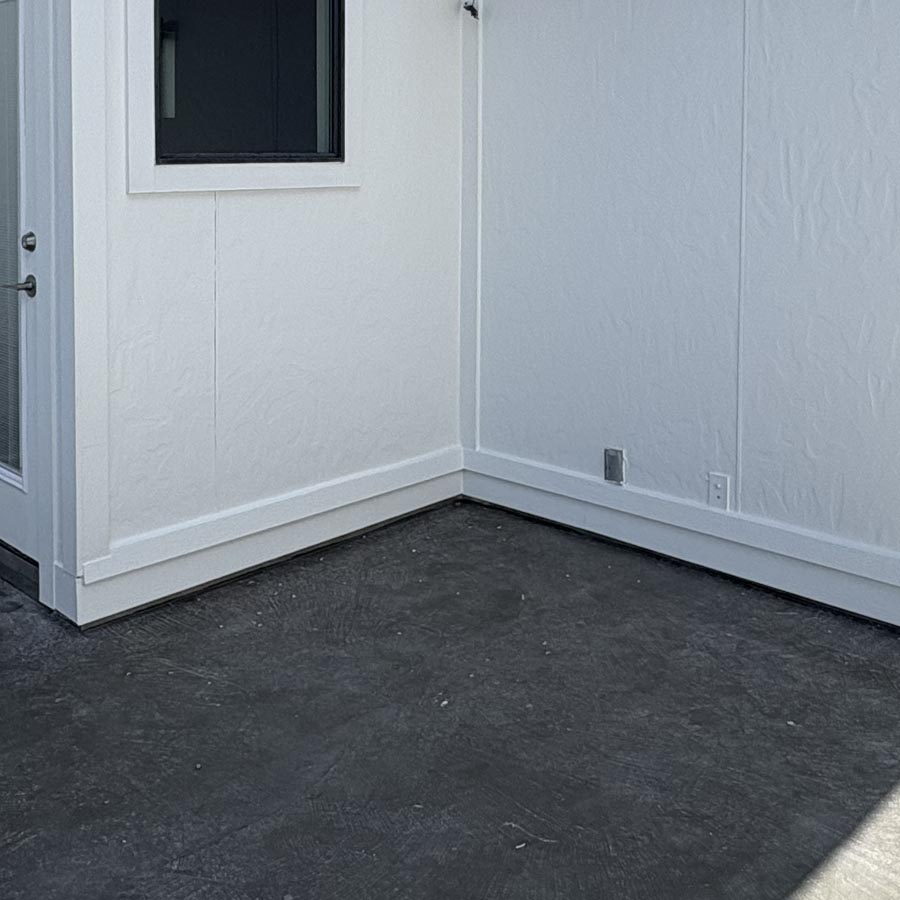
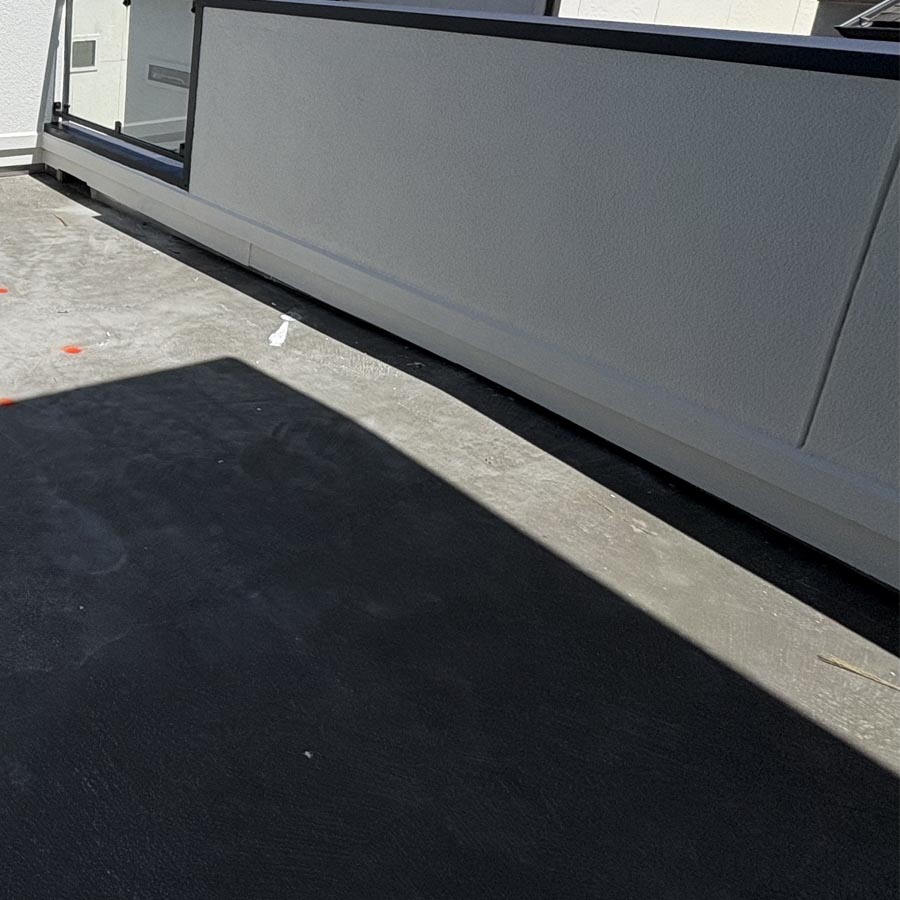
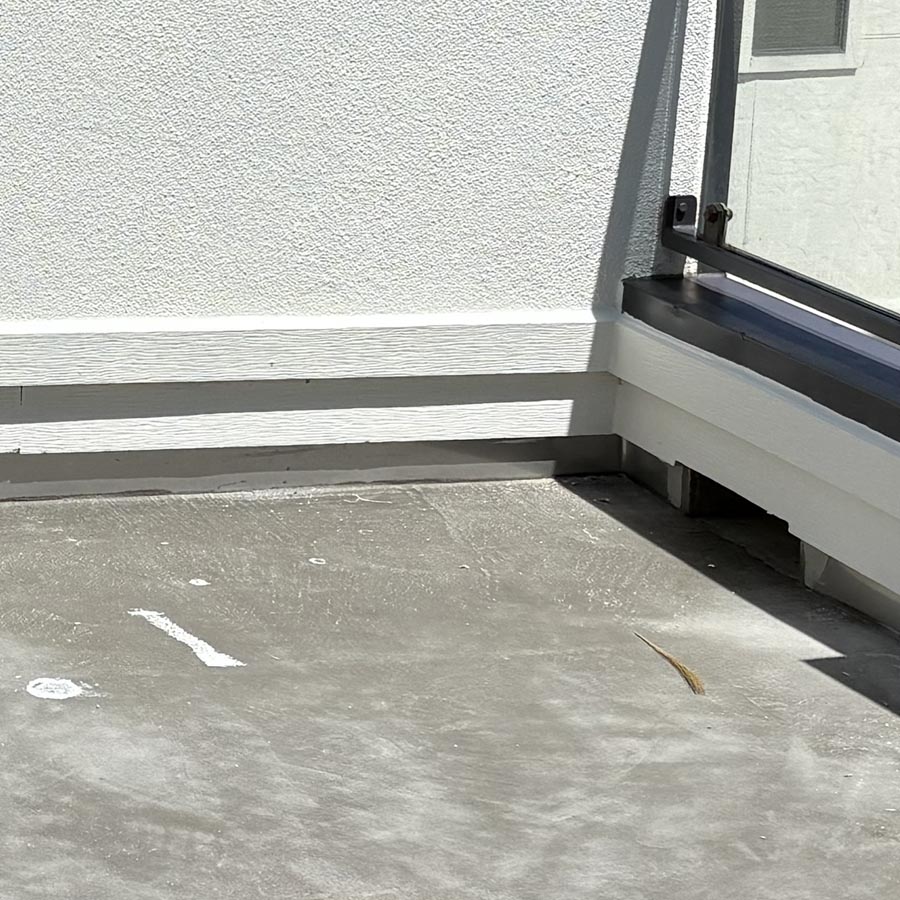
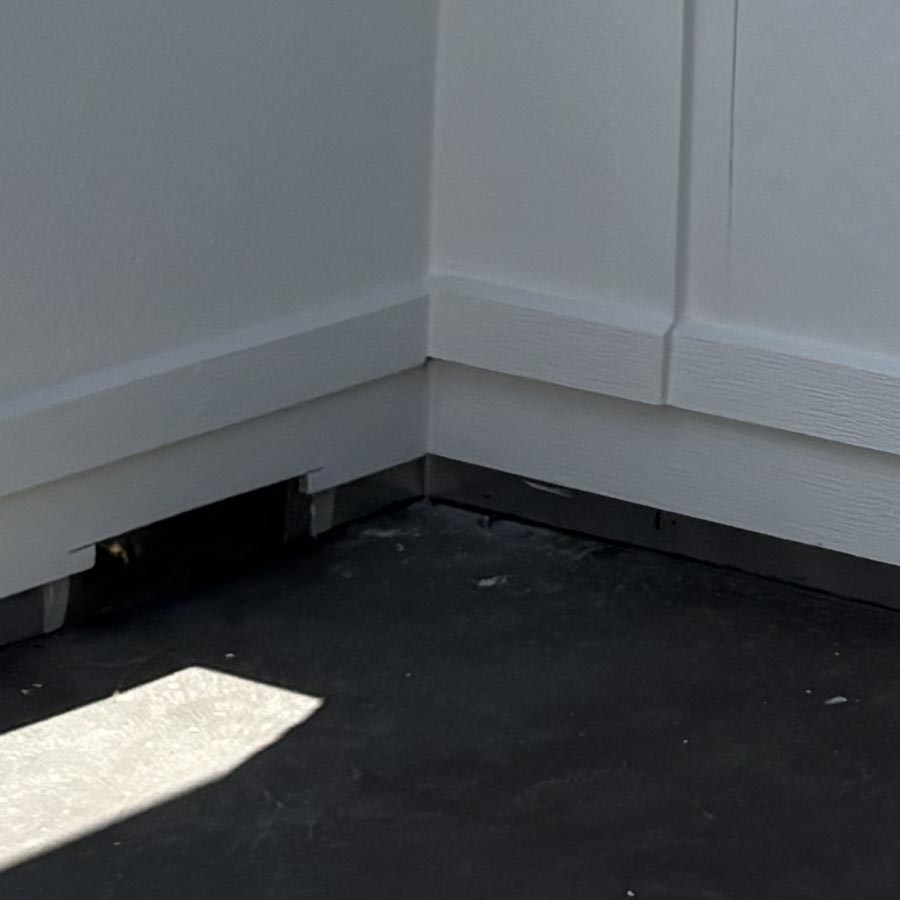
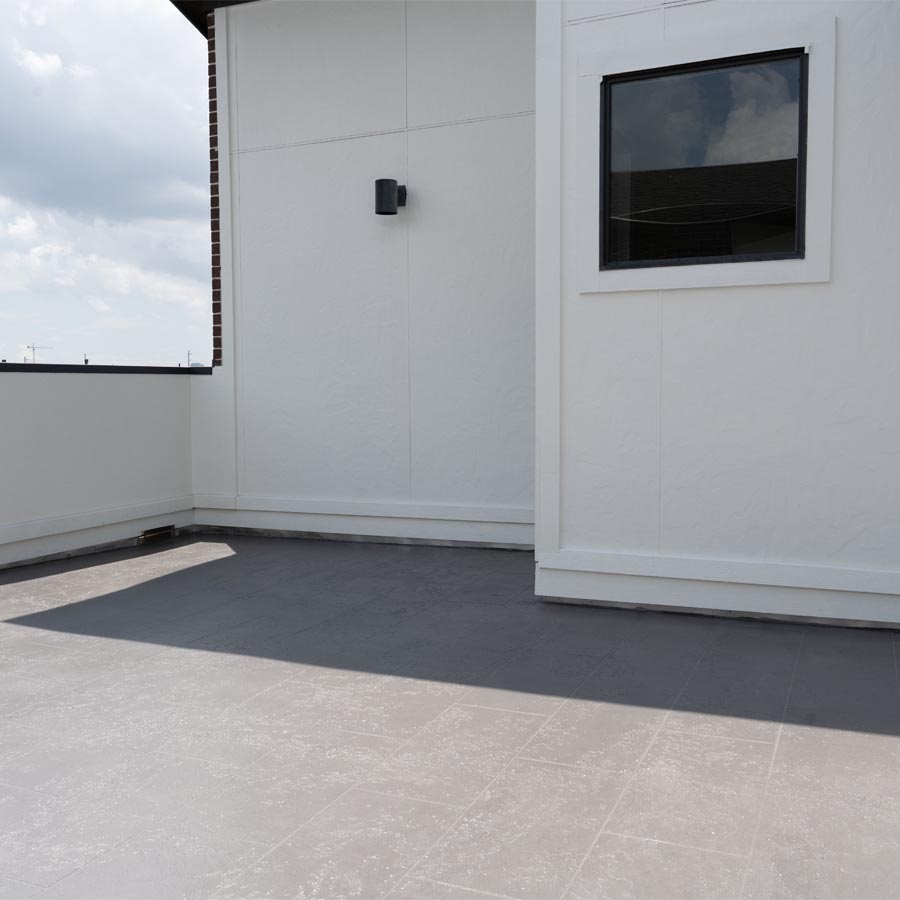
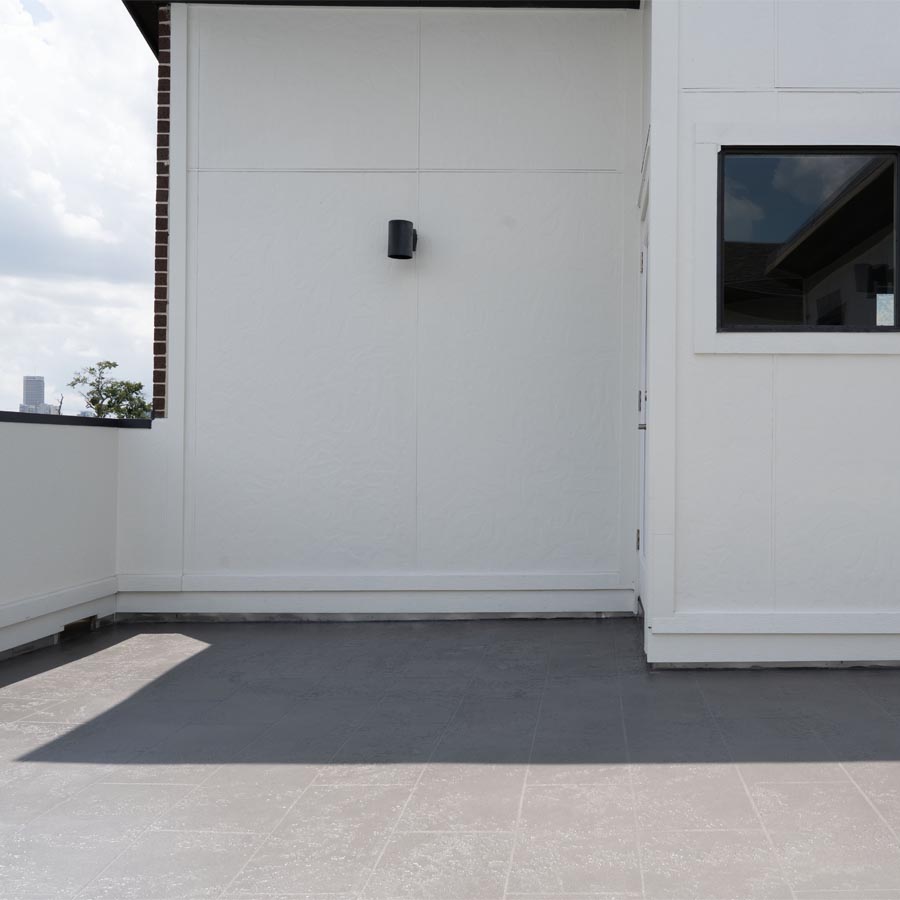
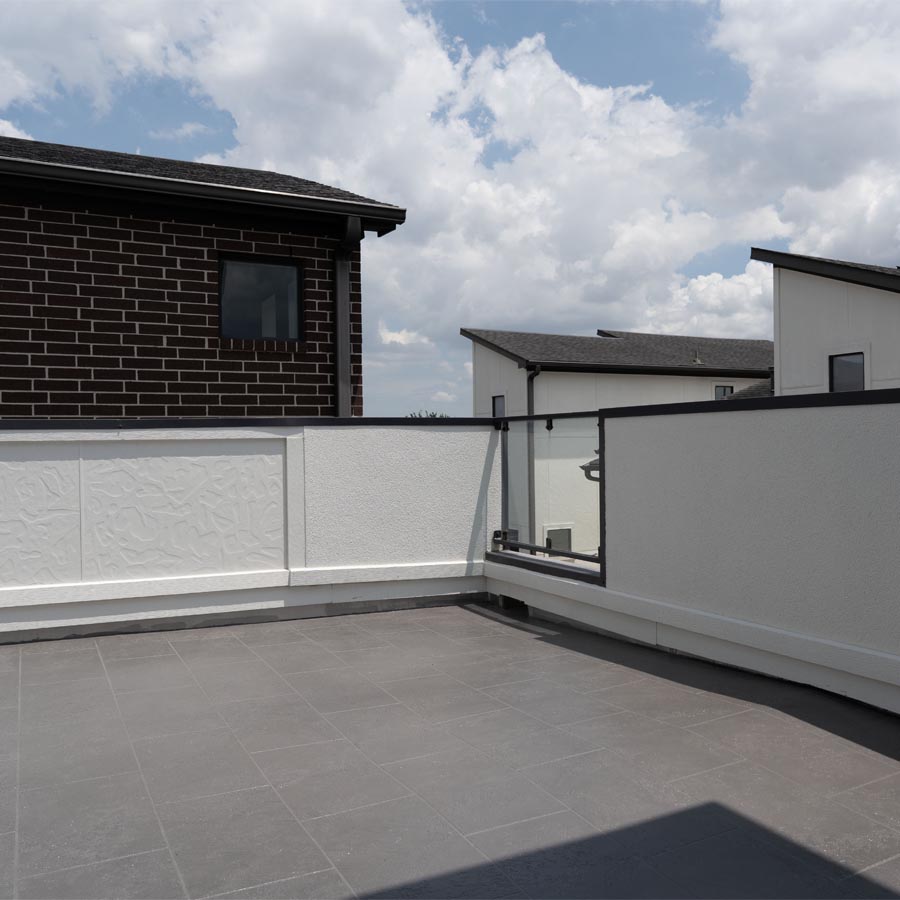
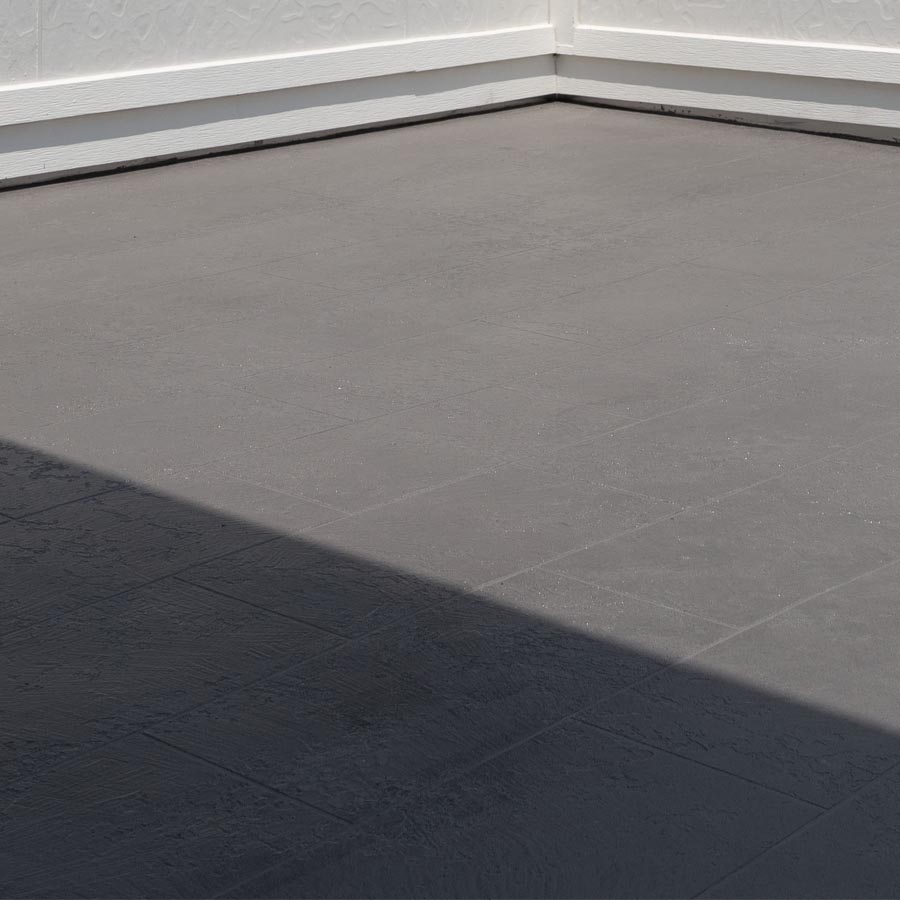
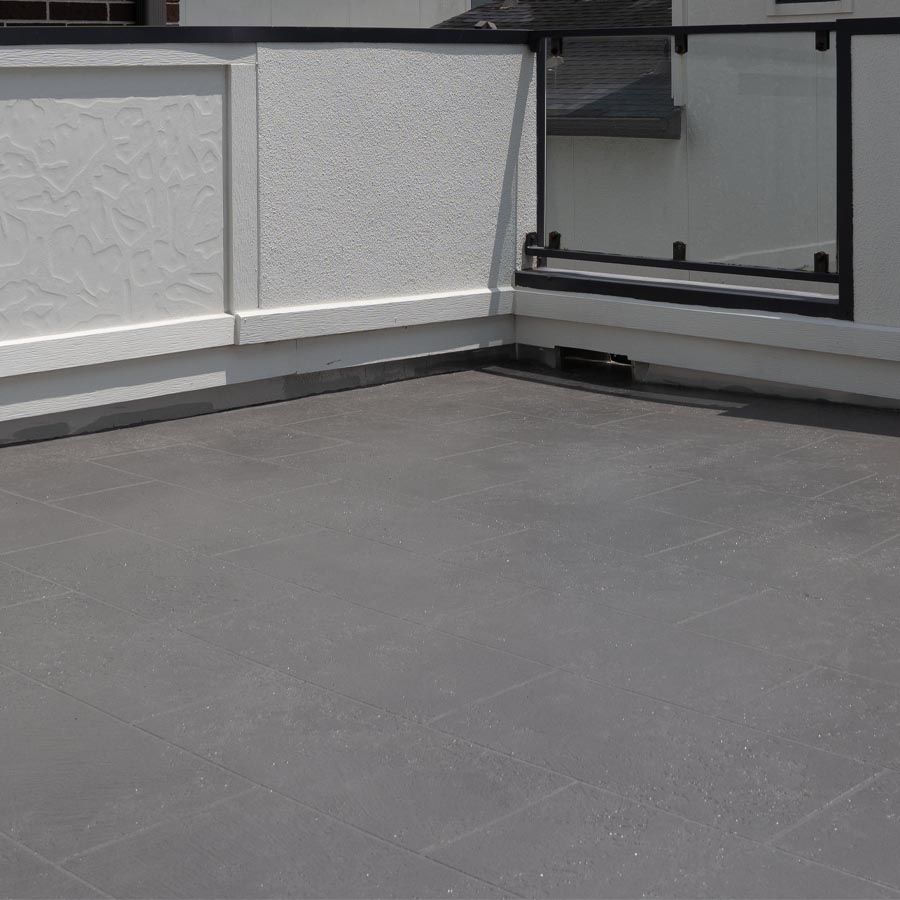
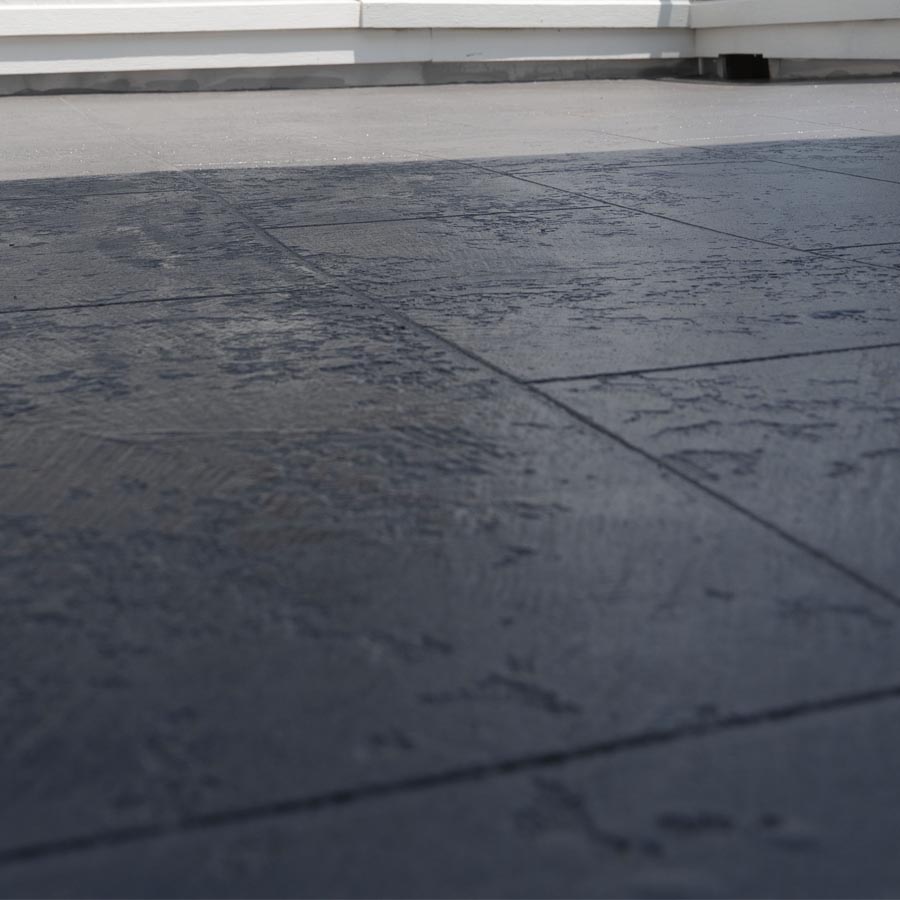
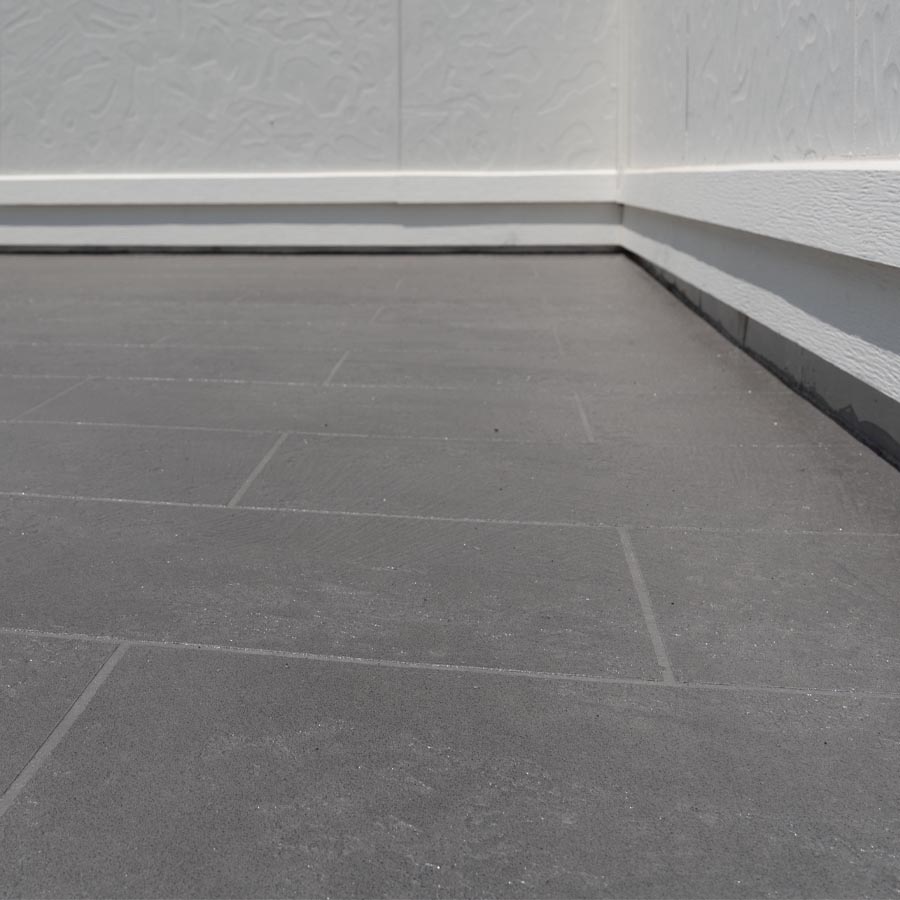
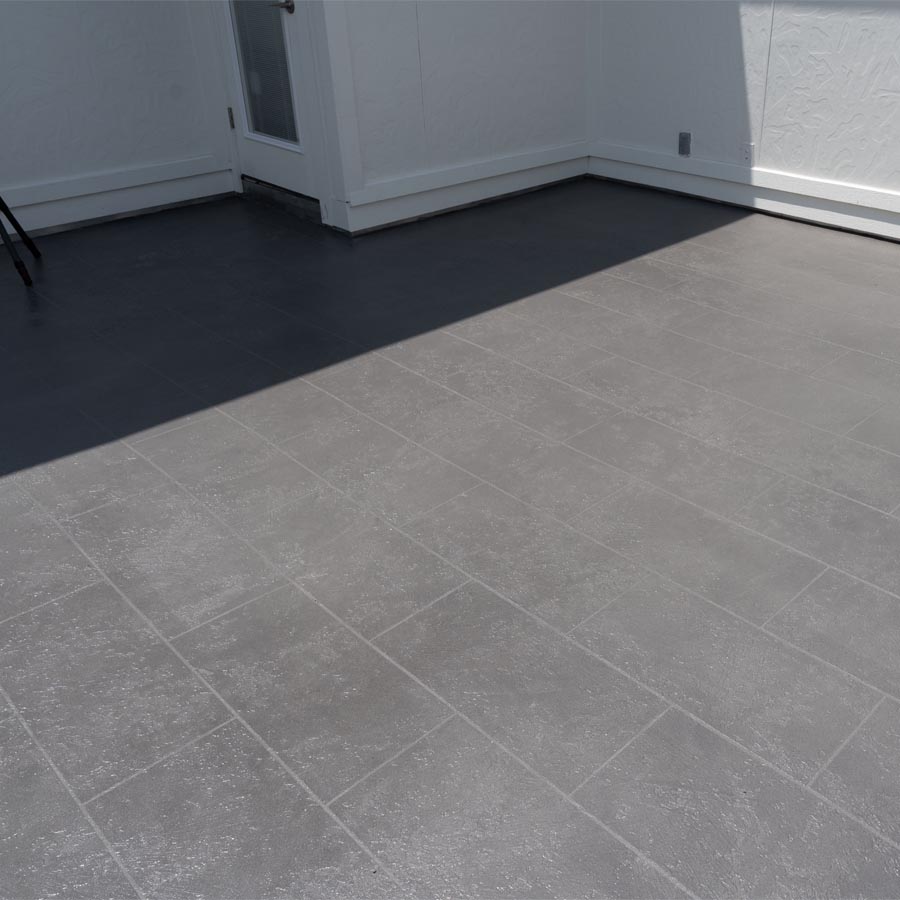
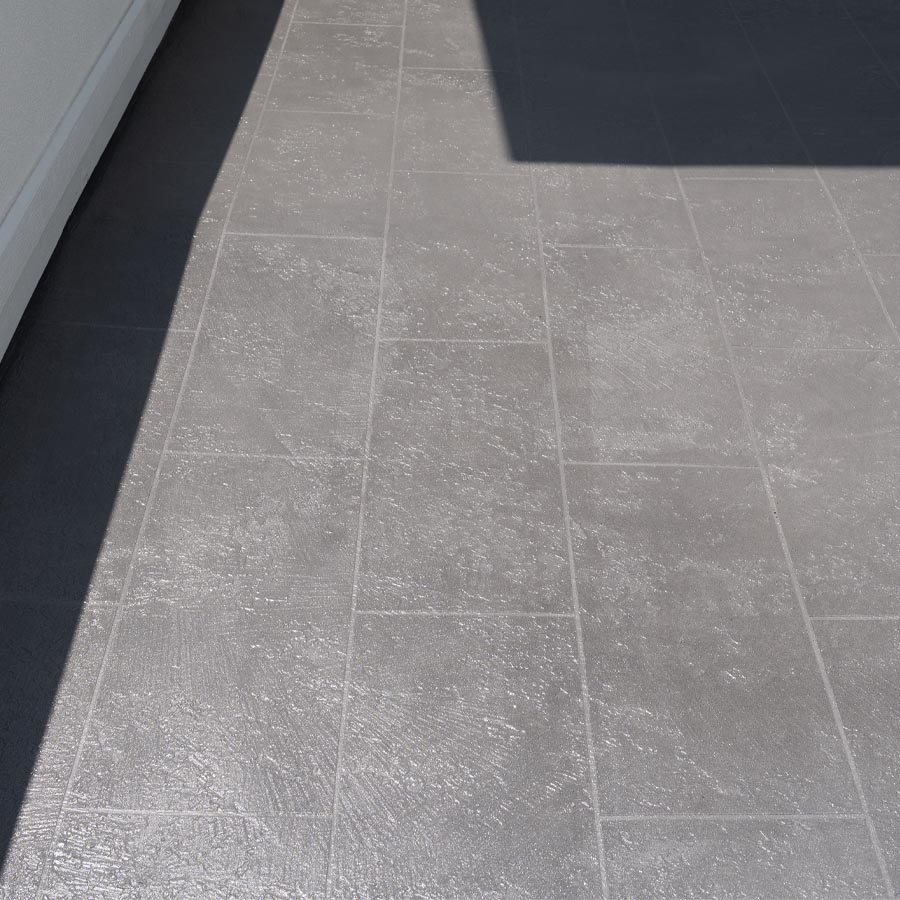
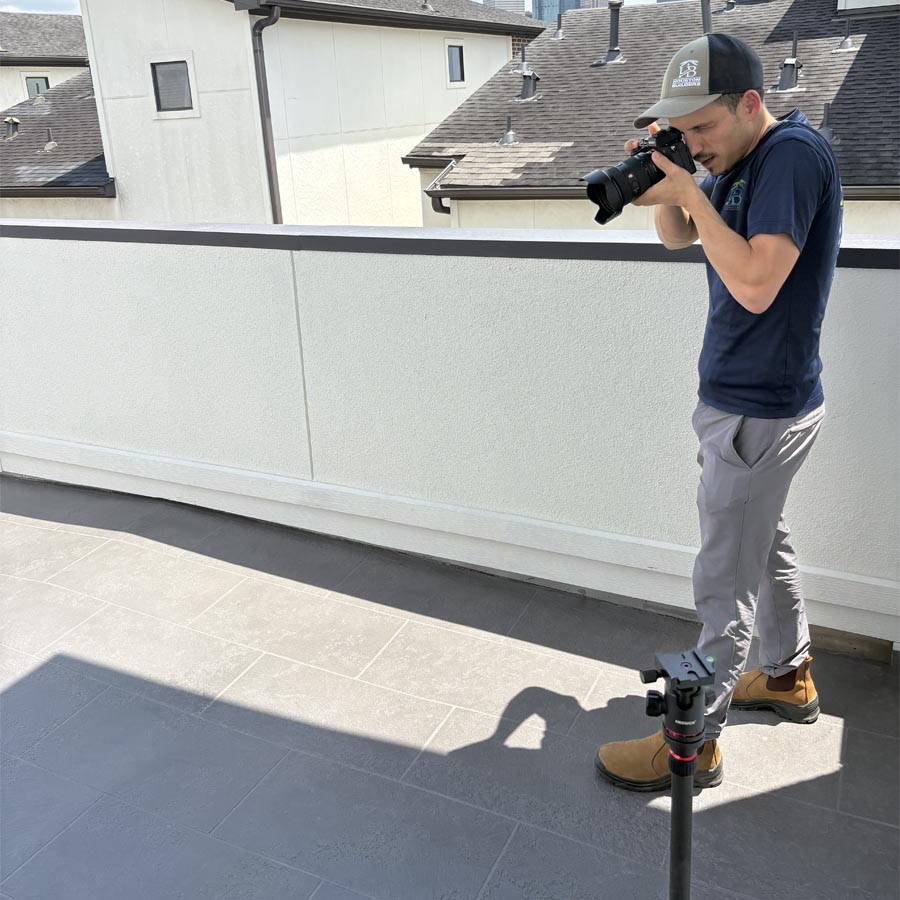
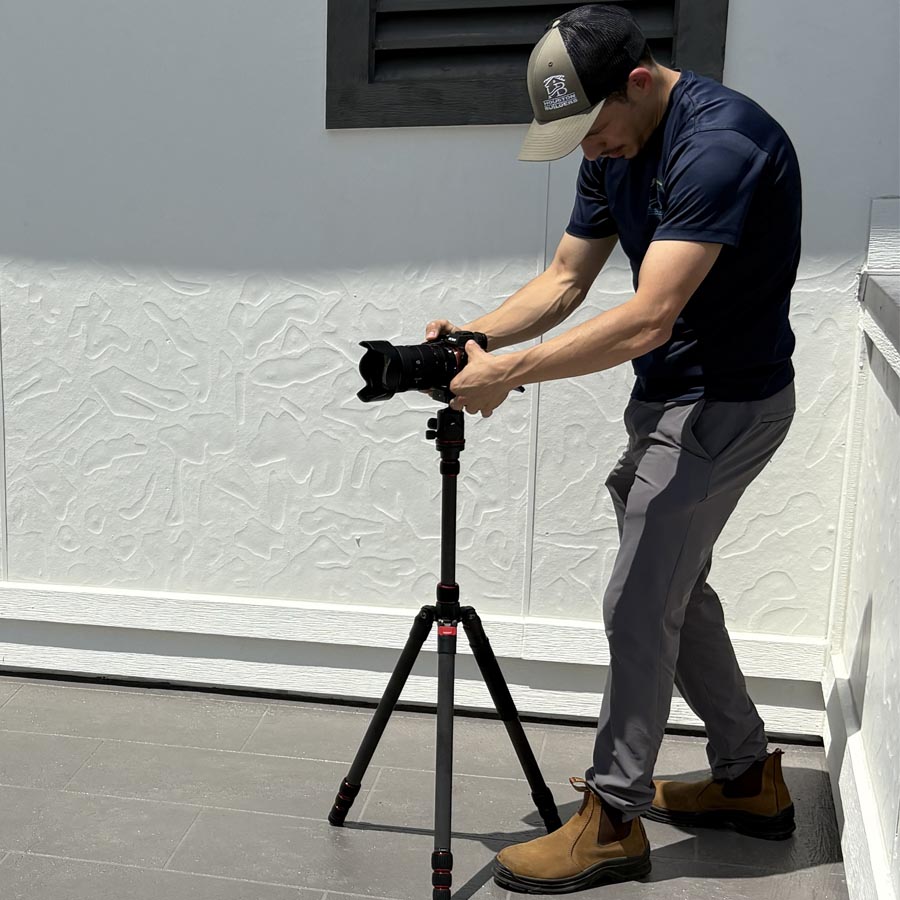
The project documented in these images shows a typical Heights townhome balcony waterproofing completed by Houston Builders Texas. The homeowner had noticed water staining on their first-floor ceiling below the balcony, requiring immediate action.
The existing surface showed no apparent damage, but removal revealed a failed waterproofing membrane beneath. Water had been penetrating for months, saturating the wood framing. The project required:
- Complete demolition of the existing tile surface
- Replacement of damaged wood decking and joists
- Installation of Westcoat Smart Membrane waterproofing system
- Drainage mat application for long-term protection
- New porcelain tile surface with proper slope toward drains
- Upgraded flashing at all wall transitions
- Professional inspection and documentation before surface installation
The total investment for this 180-square-foot balcony was $ Investment. The balcony stopped the leak but prevented what could have escalated into $20,000+ in structural repairs had the water intrusion continued.
“This project demonstrates why proper waterproofing matters,” Joe explains. “The homeowner thought their balcony was good because the surface looked good. But underneath, water had been seeping through for months. Catching it when we did saved them from much more extensive damage to interior walls, ceilings, and potentially the foundation.”
The completed project includes full warranty coverage with documented installation inspection, scheduled maintenance requirements, and clear guidelines for protecting the warranty through proper use and care.
Taking Action: Next Steps for Heights Homeowners
If your 77007 balcony shows any signs of water problems—staining on ceilings below, surface cracks, pooling water, or hasn’t been waterproofed in over a decade—taking action now prevents much larger expenses later.
Start with a professional inspection. Reputable contractors offer free assessments, examine your balcony, and provide honest recommendations. This inspection costs nothing but could save thousands in avoided water damage.
Plan projects during Houston’s winter months for optimal conditions and faster completion. Even if you’re not experiencing obvious problems, proactive waterproofing after 10-15 years protects your Investment and peace of mind.
Remember that proper maintenance is as essential as quality installation. Budget for annual inspections, periodic resealing, and regular cleaning. These modest investments ensure your waterproofing system delivers its complete 10-year warranty protection and potentially decades of reliable performance.
Document everything. Keep records of installation dates, inspection reports, maintenance performed, and any issues that arise. This documentation proves invaluable for warranty claims, insurance purposes, and future home sales.