

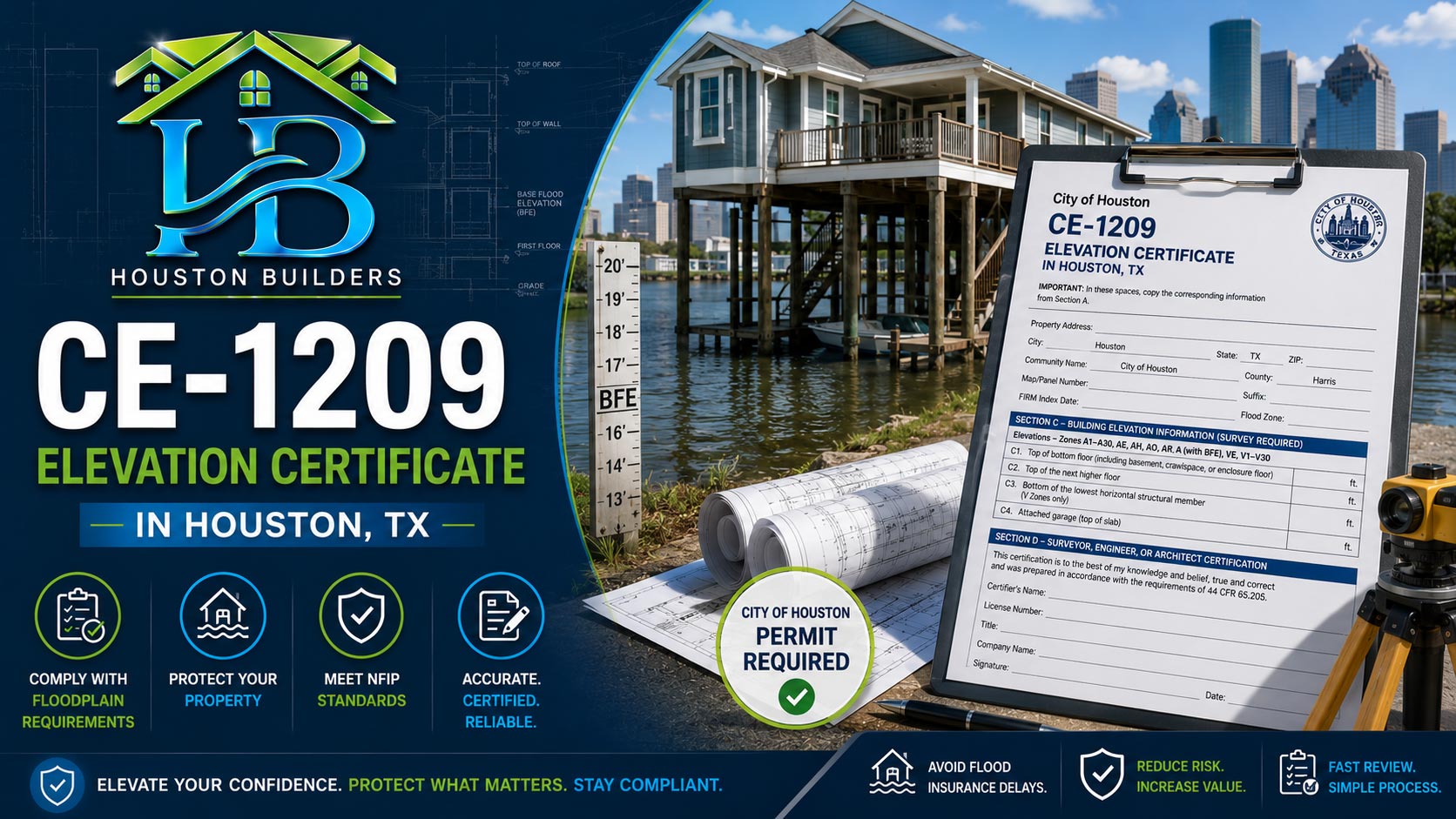
Proving Your Houston Addition Is Above Base Flood Elevation
CE-1209 Elevation Certificate is one of the most important documents for a Houston-area addition in or near a floodplain. It is used before and after construction to prove where the building sits compared with the Base Flood Elevation, often called BFE. For homeowners in Meyerland, Bellaire, Braeswood, Westbury, Willow Meadows, and other flood-sensitive parts of Houston, this form can affect design, permits, insurance conversations, final approval, and long-term resale confidence.
At Houston Builders, Joe G. treats the elevation certificate as the project’s floodplain report card. Before construction, it helps confirm whether the proposed addition is designed high enough. After construction, it helps prove the finished work was built at the required elevation. That matters because a beautiful addition is not enough if the finished floor, equipment, or lowest building elements do not meet the floodplain requirements for the property.
This is especially important when a homeowner adds a bedroom suite, expands a kitchen, rebuilds a garage, converts space into living area, or builds an ADU in a flood-risk zone. The elevation certificate connects the design to the real-world flood level. It takes the project out of guesswork and puts the numbers on paper.
 What Base Flood Elevation Means in Real Life
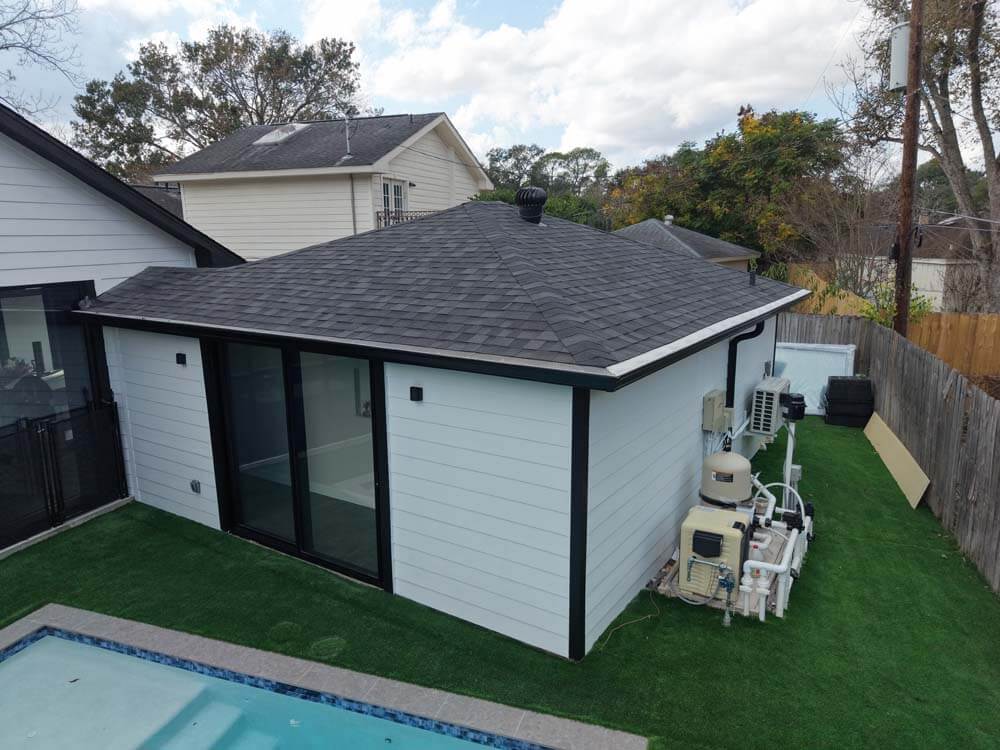
Base Flood Elevation is the flood level used as a reference point for floodplain construction. Homeowners do not need to memorize floodplain maps to understand the basic idea: the City wants to know whether the lowest relevant parts of the new construction sit high enough above the expected flood risk level.
An addition that is too low can create problems before, during, and after construction. It may need redesign before approval. It may require different foundation planning. It may affect steps, landings, utilities, garage transitions, driveways, and drainage. If discovered late, the elevation issue can stop the project after money has already been spent on drawings, engineering, or site work.
We reviewed an addition near Meyerland Plaza where the homeowner wanted a larger family room and a small bathroom. The floor plan was clean, but the key question was elevation. Before pricing finishes, Houston Builders reviewed whether the proposed finished floor could meet the floodplain expectations for that lot.
“In a floodplain, elevation is not a detail. It is the starting line. If the addition is too low, everything above it becomes a problem: walls, doors, utilities, steps, and final approval.”
Table 1: What the CE-1209 Elevation Certificate Helps Prove
| Elevation Item | What It Shows | Why It Matters | Houston Builders Checkpoint |
|---|---|---|---|
| Pre-construction elevation | Existing or proposed elevation data before work begins. | Helps confirm whether the design is headed in the right direction. | We review elevation questions before design is locked. |
| Post-construction elevation | Finished elevation after construction. | Helps prove the work was built as required. | We plan the build sequence so final elevation can be verified. |
| Finished floor elevation | Height of the new living area. | Often one of the most important floodplain numbers. | We coordinate foundation height, door transitions, and interior floor levels. |
| Lowest adjacent grade | Ground elevation near the structure. | Shows how water may reach or surround the building. | We review grading and drainage before site work. |
| Equipment elevation | Height of HVAC, electrical, or mechanical equipment where applicable. | Low equipment may be vulnerable during flooding. | We coordinate equipment platforms and utility locations early. |
| Flood zone information | Identifies floodplain conditions tied to the property. | Guides permit review and insurance discussions. | We connect the certificate to the permit plan. |
 Why the Pre-Construction Certificate Comes First
The pre-construction elevation certificate helps confirm where the project stands before the work begins. This matters because the addition design, foundation height, grading, and utility placement may all depend on the elevation data. If the numbers do not work, the design should change on paper, not after concrete is poured.
For homeowners, this can feel like a slow step. In reality, it is often a schedule saver. The pre-construction certificate can prevent a homeowner from approving a foundation, room layout, or access plan that later fails floodplain review. Houston Builders would rather solve those issues before demo, excavation, or framing begins.
We reviewed a Bellaire-area addition where the homeowner wanted a smooth transition from the existing kitchen into a new dining room. The elevation review showed that a perfectly flat transition might not be possible without additional floodplain planning. Catching that early helped the homeowner decide between design options before spending money on finished drawings.
Table 2: Pre-Construction Elevation Questions
| Question | Why It Matters | Possible Design Impact | Best Time to Answer |
|---|---|---|---|
| What is the Base Flood Elevation? | It sets the reference point for floodplain compliance. | The addition may need to be raised. | Before design approval. |
| What is the existing finished floor elevation? | Shows how the current home compares with the required level. | Transitions between old and new floors may change. | Before foundation design. |
| How high will the new finished floor be? | Determines whether the new addition meets elevation expectations. | Steps, ramps, doors, and landings may change. | Before permit submittal. |
| Where will mechanical equipment sit? | Equipment may need protection or elevation. | Platforms, access, and utility routing may change. | During mechanical planning. |
| How will the site drain? | Grade changes affect water movement. | Patios, driveways, and soil work may need revision. | Before site work. |
| Will the project trigger substantial improvement review? | Large scopes may need stricter compliance planning. | Budget and design may change. | Before contracts and demolition. |
“The pre-construction elevation certificate lets us find problems with a pencil instead of a jackhammer. That is always cheaper for the homeowner.”
 Why the Post-Construction Certificate Is Just as Important
The post-construction elevation certificate confirms what was actually built. It is not enough for the drawings to say the addition will be high enough. The finished work has to prove it. This is where field execution matters: foundation height, fill, grading, slab elevation, framing, equipment platforms, and final site conditions should match the plan.
If the finished elevation is wrong, the project can face delays, corrections, or closeout problems. That is why Houston Builders keeps elevation in mind throughout construction instead of treating it as an end-of-project paperwork item.
We completed a floodplain-aware garage and utility review in southwest Houston where the post-construction documentation mattered because the project included new equipment placement and slab work. The closeout process went smoother because the elevation targets had been discussed from the start.
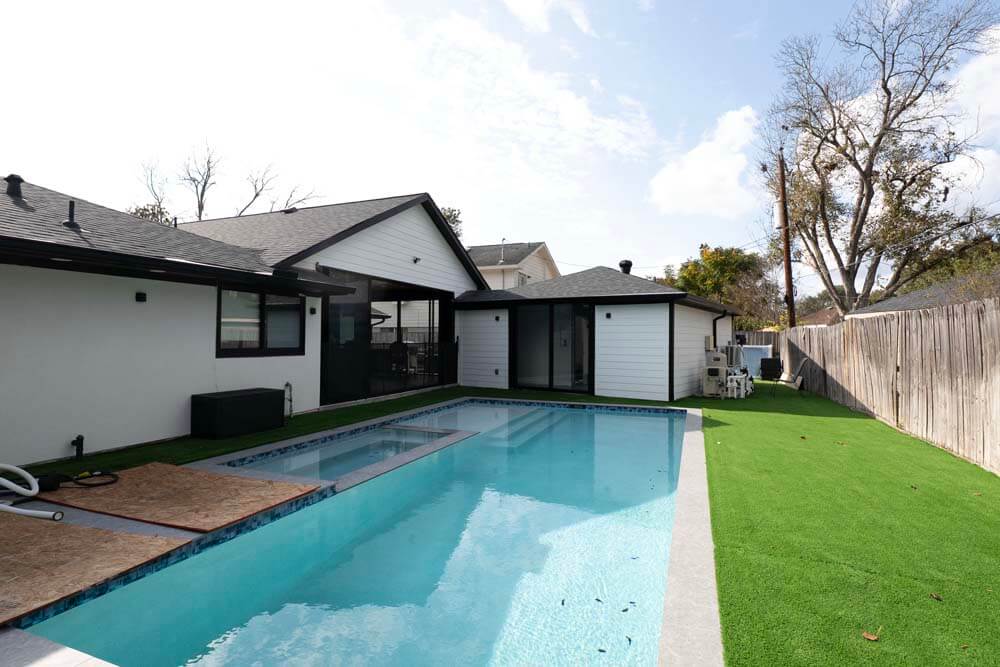
Table 3: Pre-Construction vs. Post-Construction Elevation Certificate
| Certificate Stage | When It Happens | What It Helps Answer | Risk If Ignored |
|---|---|---|---|
| Pre-construction | Before building begins. | Can the proposed design meet floodplain elevation rules? | The project may be designed too low. |
| Foundation or under-construction check | During early construction, when applicable. | Is the project being built at the intended elevation? | Errors may continue until they become costly. |
| Post-construction | After construction is complete. | Was the finished work built high enough? | Final approval or records may be delayed. |
| Equipment verification | During or after mechanical and electrical placement. | Are important systems placed at acceptable elevations? | Flood-damaged equipment risk remains. |
| Site grading confirmation | After final grading or paving. | Does water move properly around the addition? | Drainage problems may remain hidden until heavy rain. |
| Project records | At closeout. | Does the homeowner have documentation for future permits, insurance, or resale? | Future projects become harder to explain. |
 Foundation Height, Slabs, and Raised Construction
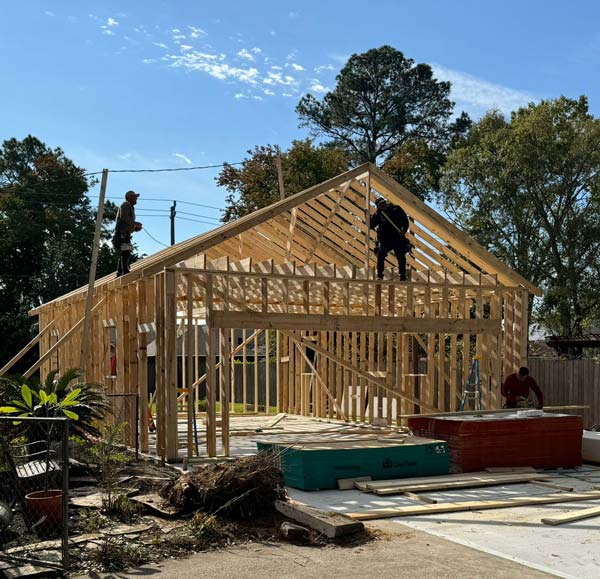
Elevation planning is tied closely to foundation design. A slab-on-grade addition, raised floor addition, garage rebuild, or ADU foundation can all be affected by BFE. If the addition must sit higher, that choice affects steps, porches, ramps, siding, wall heights, roof tie-ins, and drainage.
For room additions and conversions, Houston Builders reviews foundation elevation before finalizing the floor plan. For concrete work, elevation affects slab thickness, grade, drainage, and transitions. For garage rebuilds, the question is more complicated because garage space may not be treated the same as conditioned living area.
We reviewed a Meyerland addition where the homeowner wanted a new bedroom suite with no step up from the existing hall. The elevation requirements created a design challenge. Houston Builders helped compare options so the homeowner could choose between comfort, code path, cost, and long-term flood risk.
Table 4: Foundation and Elevation Planning Options
| Foundation Approach | Best Use | Elevation Concern | Design Impact |
|---|---|---|---|
| Raised slab addition | Floodplain additions needing higher finished floor. | Must align with required elevation and drainage. | May need steps, ramps, or adjusted door transitions. |
| Pier and beam addition | Raised homes or designs needing under-floor access. | Lowest structural elements and utilities need review. | May help with utility access but needs moisture control. |
| Elevated equipment platform | HVAC, water heater, or electrical equipment protection. | Equipment should be above vulnerable elevations when required. | May affect access, screening, and service clearance. |
| Garage slab | Parking, storage, or garage rebuilds. | Floodplain treatment may differ from living space. | Use, openings, and drainage matter. |
| ADU foundation | Detached dwelling units in flood-sensitive areas. | Finished floor and utilities must be planned together. | May affect stairs, porch, and utility routes. |
| Existing slab tie-in | Additions connected to older homes. | Old floor elevation may be below current requirements. | Transitions can become a design challenge. |
“Elevation affects everything people touch later: steps, doors, floors, cabinets, utilities, and drainage. That is why the foundation conversation has to happen early.”
 Cost Planning: Elevation Documentation Changes the Budget
Elevation certificate work can affect the budget because it may require survey coordination, design changes, foundation adjustments, equipment platforms, drainage planning, engineering, revised site work, or added steps and landings. The certificate itself is only one piece. The construction changes tied to the elevation numbers can be the larger cost driver.
Houston Builders helps homeowners understand this before they commit to finishes. It is better to know early if the addition needs to sit higher, if the HVAC platform must move, or if the driveway and entry path need adjustment.
Table 5: Cost Ranges Connected to Elevation Certificate Planning
| Project Item | Typical Work Included | Estimated Cost Range | Cost Watchout |
|---|---|---|---|
| Elevation certificate coordination | Survey coordination, document review, permit support. | $1,350 to $5,400+ | Multiple stages may be needed depending on the project. |
| Floodplain design revisions | Plan changes due to elevation findings. | $2,700 to $13,500+ | Late changes cost more than early corrections. |
| Raised foundation adjustment | Foundation height changes, forms, fill, reinforcement, transitions. | $13,500 to $81,000+ | Height changes affect steps, grading, and walls. |
| Equipment elevation platform | HVAC or utility platform, support, access, service clearance. | $3,375 to $18,900+ | Mechanical and electrical trades must coordinate. |
| Drainage and grading correction | Soil shaping, drains, concrete slope, runoff control. | $8,100 to $40,500+ | Site water must not be trapped near the addition. |
| Floodplain addition package | Foundation, elevation, framing, utilities, finishes, permit coordination. | $135,000 to $324,000+ | Elevation requirements can change the whole design. |
 Warning Signs Before You Build in the Floodplain
Some projects need elevation review before anything else. These signs do not mean the project cannot happen. They mean the elevation certificate should be discussed early, before design decisions become expensive.
Check these warning signs before approving the project
- The property is in Meyerland, Bellaire, Braeswood, Westbury, Willow Meadows, or near Brays Bayou.
- The home has flooded before or required flood repairs.
- The project adds conditioned living space.
- The addition connects to an older low slab.
- The design includes a flat transition from old space to new space.
- HVAC equipment, water heaters, or electrical systems sit close to grade.
- The project includes fill, grading, patios, driveways, or drainage changes.
Table 6: Common Elevation Certificate Mistakes and Better Fixes
| Mistake | Why It Causes Trouble | Better Fix | Result |
|---|---|---|---|
| Waiting until after design | The addition may be drawn too low. | Discuss CE-1209 before final drawings. | Less redesign. |
| Ignoring existing floor height | Transitions may not work with floodplain rules. | Compare existing and proposed elevations early. | Better access and layout planning. |
| Forgetting equipment elevation | Systems may remain vulnerable to floodwater. | Plan HVAC and utility platforms early. | Lower future repair risk. |
| Not checking site drainage | Raised areas can trap or redirect water. | Coordinate elevation and grading. | Better storm performance. |
| Skipping post-construction verification | Final records may be incomplete. | Plan closeout certificate timing. | Smoother final approval and better records. |
| Ordering finishes too early | Elevation changes may affect walls, steps, and doors. | Finalize elevation strategy before finish orders. | Less waste and fewer changes. |
“The elevation certificate is not just for the City. It protects the homeowner from building a beautiful addition at the wrong height.”
 How CE-1209 Affects the Schedule
Elevation certificate timing can make or break the schedule. If the pre-construction certificate happens early, the design can adjust before construction. If the elevation issue is discovered after foundation work begins, the project can face delays, added cost, and permit complications.
Houston Builders builds elevation review into the project sequence. That means checking floodplain status, coordinating documents, reviewing design elevation, planning foundation height, monitoring construction, and preparing for post-construction verification.
Table 7: Timeline Comparison With Elevation Certificate Planning
| Phase | Slow Path | Houston Builders Path | How Time Is Saved |
|---|---|---|---|
| Concept design | Floor plan is drawn before elevation review. | Elevation concerns are discussed during concept planning. | Fewer redesigns. |
| Permit preparation | CE-1209 is requested after submittal questions. | Elevation certificate needs are planned before submittal. | Cleaner permit path. |
| Foundation design | Height decisions are made late. | Foundation elevation is coordinated with the design. | Fewer field changes. |
| Site work | Grading is adjusted after issues appear. | Drainage and grade are planned with elevation. | Less rework. |
| Construction verification | Elevation is checked too late. | Key elevation points are monitored during construction. | Corrections are easier if needed. |
| Closeout | Post-construction certificate delays final records. | Post-construction documentation is planned in advance. | Smoother final approval. |
 How CE-1209 Connects to Houston Builders Services
CE-1209 most often connects to room additions and conversions, but it can also affect water damage restoration, concrete work, garage rebuilds, and ADU construction. If the project adds living space, changes grade, adjusts foundation height, moves utilities, or repairs flood damage, elevation data may become part of the conversation.
It may also affect kitchen remodeling or bathroom remodeling when those rooms are part of a larger floodplain addition or substantial improvement project. The form follows the property risk and scope, not just the room name.
Table 8: Services and Elevation Certificate Concerns
| Service | Elevation Concern | Possible Delay | Planning Move |
|---|---|---|---|
| Room additions | New living space must meet elevation requirements. | Foundation redesign if elevation is wrong. | Review CE-1209 early. |
| Garage rebuilds | Slab and use may affect floodplain review. | Garage design may need adjustment. | Clarify use and elevation before design. |
| ADU construction | New dwelling unit needs floodplain-aware foundation and utilities. | Utility and access design may change. | Coordinate elevation, utilities, and site plan. |
| Water damage restoration | Flood repair may trigger documentation needs. | Repair work may pause for review. | Document damage and repair scope early. |
| Concrete work | Patios, driveways, and fill can affect grade. | Drainage or elevation review may be required. | Plan site work with floodplain needs. |
| Kitchen or bathroom addition | Wet rooms in new living space must align with elevation plan. | Plumbing and floor height changes may appear late. | Coordinate fixtures, foundation, and finished floor elevation. |
“Elevation touches more trades than people expect. Foundation, plumbing, HVAC, electrical, doors, stairs, and drainage all need to work with the same height plan.”
 Maintenance After an Elevated Addition
After a floodplain addition is complete, homeowners should protect both the structure and the documentation. Keep the elevation certificate, permits, surveys, and final records in a safe digital folder. Maintain drainage around the addition. Keep equipment platforms clear. Watch for settlement or water ponding after storms.
Table 9: Maintenance Schedule After Floodplain Addition
| Timeframe | What to Check | Why It Matters | Homeowner Action |
|---|---|---|---|
| First hard rain | Water flow around the addition, steps, patio, and foundation. | Shows whether grading works as planned. | Take photos if water ponds. |
| First 30 days | Steps, doors, floor transitions, and utility platforms. | New work settles into use. | Report unusual movement or water issues. |
| Every 3 months | Drains, downspouts, yard slope, and equipment access. | Water control protects floodplain work. | Clear debris and keep access open. |
| Every 6 months | Exterior walls, siding base, concrete edges, and grading. | Small changes can affect drainage. | Look after heavy rain and dry heat. |
| Every year | Elevation certificate, permit files, insurance records, and repair history. | Records matter for resale and future permits. | Keep updated digital and printed copies. |
| After flood or major storm | Equipment, walls, floors, foundation edge, and documentation needs. | Storm events can reveal weaknesses. | Inspect before making repairs. |
Project Video: Why Planning Matters Before Floodplain Construction Starts
Here is a quick jobsite look at why sequencing, planning, and clear setup help remodeling work move faster once construction begins.
Final Takeaway: CE-1209 Proves the Addition Was Built High Enough
CE-1209 Elevation Certificate matters because floodplain additions need proof, not assumptions. The pre-construction certificate helps guide the design before work begins. The post-construction certificate helps confirm the finished addition was built above the required Base Flood Elevation. In flood-sensitive areas like Meyerland, Bellaire, Braeswood, Westbury, Willow Meadows, and parts of southwest Houston, that proof can be the difference between a smooth permit path and a project that gets stuck.
For room additions, ADUs, garage rebuilds, flood damage repairs, concrete work, kitchen expansions, bathroom additions, and major remodels in the floodplain, elevation planning should happen before demolition, foundation work, utility placement, or finish selections. Houston Builders uses CE-1209 planning to help homeowners avoid redesigns, elevation mistakes, drainage problems, and final approval delays.
Houston Builders serves Meyerland, Bellaire, Braeswood, Westbury, Willow Meadows, River Oaks, West University, Memorial Village, Tanglewood, Houston Heights, Montrose, Greenway, Upper Kirby, 77005, 77006, 77007, 77008, 77018, 77019, 77024, 77035, 77040, 77057, 77077, 77096, 77401, and 77494. Contact Houston Builders today at 832-888-1036 or visit us at 10101 Fondren Rd, Houston, TX 77096, to schedule your free estimate.