


What Houston Homeowners Need Before Moving a Gas Range or Building an Outdoor Kitchen
CE-1215 Gas Pipe Permit is the form Houston homeowners need to know about before moving a gas range, adding an outdoor kitchen, installing a new gas grill, relocating a cooktop, adding a fire feature, or running a gas line to a backyard living space. Gas work is not a casual add-on. It needs proper sizing, routing, shutoffs, pressure testing, inspection, and coordination with the rest of the remodel.
At Houston Builders, Joe G. treats gas piping as a safety-first trade. A kitchen remodel may look like cabinets, counters, tile, and appliances, but the gas range is tied to fuel delivery, ventilation, electrical coordination, cabinet clearances, appliance specs, and final inspection. An outdoor kitchen may look like a grill island, but the gas line below it decides whether the setup is safe, serviceable, and ready for daily use.
CE-1215 matters because gas lines are hidden once the project is finished. Homeowners should not have to wonder if the line was sized right, tested right, or installed where it can be shut off in an emergency. The permit process helps keep that work visible before stone, cabinets, patio finishes, walls, or appliance panels hide it.
 Why Moving a Gas Range Is Not Just an Appliance Swap
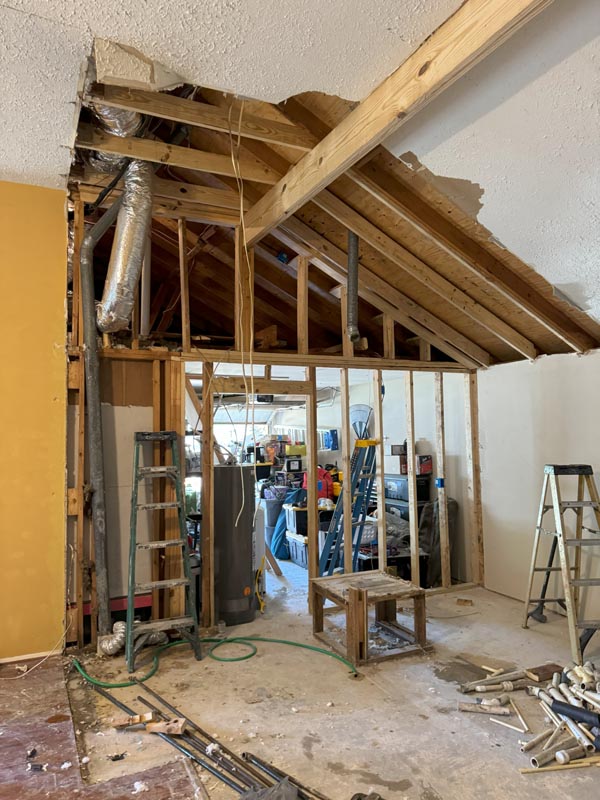
Moving a gas range during a kitchen remodel changes more than the appliance location. The gas line may need to be rerouted, resized, protected, tested, and inspected. The range also needs proper clearance, ventilation, electrical power, countertop coordination, cabinet planning, and a shutoff valve that remains accessible.
This is why Houston Builders reviews appliance specifications before rough-in. A freestanding range, slide-in range, pro-style range, gas cooktop, and dual-fuel range can all have different clearance and connection requirements. A cabinet layout that looks perfect on paper can become a problem if the gas stub lands behind a drawer, inside a tight cabinet, or too far from the appliance connection point.
We completed a kitchen remodel about 0.8 miles from Highland Village where the homeowner wanted to move the range from a side wall to the back wall. The appliance change affected gas piping, range hood planning, recessed lighting, cabinet spacing, and backsplash layout. CE-1215 planning helped lock the fuel line location before cabinets were ordered.
“A gas range move has to be planned before the kitchen gets pretty. Once cabinets and counters are in, moving a gas line becomes slower, messier, and more expensive.”
Table 1: What CE-1215 Helps Cover
| Gas Work Item | What It Means | Why It Matters | Houston Builders Checkpoint |
|---|---|---|---|
| Gas range relocation | The fuel line is moved to a new appliance location. | Line size, route, valve access, and testing matter. | We review appliance specs before rough-in. |
| Gas cooktop installation | A cooktop is installed in a counter or island. | Cabinet clearance and gas connection space are critical. | We coordinate cabinet, counter, and gas stub location. |
| Outdoor grill line | Gas is extended to an exterior grill or island. | Outdoor exposure and shutoff access matter. | We plan route, protection, and appliance connection early. |
| Fire feature line | Gas is run to a fire pit or outdoor fireplace. | BTU demand and shutoff location must be planned. | We confirm fixture type and location before trenching. |
| Pressure testing | The installed line is tested before use. | Leaks must be found before walls or finishes close. | We schedule testing before final appliance connection. |
| Accessible shutoff | A valve remains reachable for service or emergencies. | Hidden shutoffs create safety and service issues. | We keep shutoff access in the final design. |
 Outdoor Kitchens Add Another Layer of Planning
Outdoor kitchens are one of the most requested backyard upgrades in Houston. A built-in gas grill, side burner, pizza oven, outdoor sink, storage drawers, refrigerator, lighting, fans, and covered patio can turn a backyard into a real gathering space. But the gas line should be planned before the island is framed or the stone is installed.
Outdoor gas piping has to account for appliance BTU demand, pipe route, shutoff location, weather exposure, trenching, hardscape, future access, and final appliance placement. It also has to work with the patio layout. A grill may look better in one spot, but the gas route, ventilation clearance, and traffic flow may point to a better location.
We completed an outdoor kitchen plan about 1.4 miles from Memorial City Mall in 77024 where the homeowner wanted a gas grill and side burner under a patio cover. The gas plan had to coordinate with roof posts, patio slab, electrical outlets, lighting, and the path from the existing gas source. Planning it before the patio finish saved cutting into new concrete later.
Table 2: Outdoor Kitchen Gas Planning Checklist
| Planning Item | What to Confirm | Why It Matters | Common Mistake |
|---|---|---|---|
| Grill BTU rating | Total gas demand of the grill and burners. | Line sizing depends on demand and distance. | Choosing the grill after the gas line is installed. |
| Gas route | Path from existing source to outdoor kitchen. | Route affects trenching, hardscape, and inspection. | Running the line through future patio areas without access planning. |
| Shutoff valve | Location where gas can be turned off. | Safety and service depend on access. | Hiding the valve inside a finished island with poor access. |
| Appliance clearances | Space around grill, walls, cover, and combustible materials. | Outdoor cooking equipment creates heat. | Designing the island before reading appliance specs. |
| Patio cover relationship | How heat and ventilation work under cover. | Cooking under a roof needs careful layout. | Placing a grill where smoke and heat collect. |
| Future service access | Access to valves, connections, and appliance panels. | Repairs should not require tearing apart stonework. | Building a beautiful island with no service panel. |
“The outdoor kitchen should be designed around how people cook, but the gas line needs to be designed around safety, access, and appliance demand. Both matter.”
 The Route Matters More Than People Expect
Gas piping has to get from the existing gas source to the new appliance. That route may pass through walls, attic space, crawl space, exterior walls, underground trenches, patios, or garage areas depending on the project. The route affects cost, schedule, inspection, and future access.
In kitchen remodeling, the route may be short but complicated by cabinets, walls, backsplash, and range hood placement. In outdoor kitchens, the route may be longer and may cross concrete, landscaping, sprinkler lines, electrical runs, or drainage areas. Houston Builders reviews these conflicts before work starts.
We completed a backyard gas line review in West University where the shortest route crossed a planned concrete walkway. Instead of burying service access under new concrete, we adjusted the hardscape plan and kept the gas route more serviceable. The homeowner still got the outdoor kitchen, but future repairs became easier.
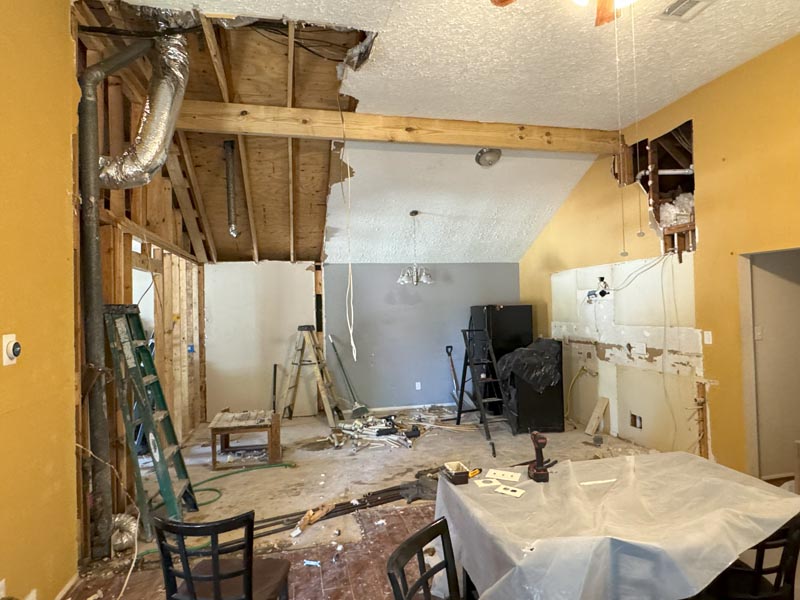
Table 3: Gas Line Route Conflicts
| Route Conflict | Why It Matters | Possible Delay | Better Planning Move |
|---|---|---|---|
| Concrete patio | Gas line may need to cross or avoid hardscape. | Cutting new concrete or rerouting after layout changes. | Plan gas route before patio pour. |
| Cabinet drawers | Gas stub can block drawer boxes or appliance fit. | Cabinet modification or gas relocation. | Coordinate cabinet drawings with gas rough-in. |
| Range hood wall | Gas, electrical, and ventilation may compete for space. | Rough-in conflicts behind the cooking wall. | Review all trades on the appliance wall together. |
| Sprinkler lines | Outdoor trenching may hit irrigation. | Repair and reroute work. | Mark irrigation before trenching. |
| Drainage areas | Underground lines need protection from washout or settling. | Route changes or added protection. | Coordinate gas line with drainage plan. |
| Future access | Finished stone or panels may block service points. | Expensive repairs later. | Build access panels into the design. |
 Kitchen Layout, Ventilation, and Gas Work Have to Agree
Moving a gas range changes the kitchen layout in several ways. The cooking wall needs gas, power, ventilation, heat clearance, countertop landing space, cabinet planning, and sometimes backsplash coordination. If the range moves to an island, the ventilation plan can become even more important.
For kitchen remodeling, Houston Builders coordinates the gas plan with appliance specs, cabinet elevations, hood location, electrical outlets, lighting, and countertop plans. The goal is simple: the range should fit, the hood should work, the shutoff should be reachable, and the finished kitchen should look intentional.
We completed a kitchen remodel near Tanglewood where the homeowner wanted a pro-style gas range. The appliance required more careful planning than the original slide-in range. Before cabinets were built, we confirmed gas location, electrical needs, hood size, and surrounding clearances.
Table 4: Gas Range Planning Details
| Range Detail | What to Confirm | Why It Matters | Best Timing |
|---|---|---|---|
| Appliance model | Exact range or cooktop specifications. | Connection location and clearance can vary. | Before rough-in. |
| Gas shutoff | Accessible valve location. | Service and emergency access matter. | During cabinet planning. |
| Ventilation | Hood size, duct route, and cooking output. | Gas cooking creates heat and moisture. | Before framing and cabinet elevations are final. |
| Cabinet clearance | Side, rear, and overhead conditions. | Appliance heat affects surrounding materials. | Before cabinet order. |
| Countertop cutout | Cooktop or range opening requirements. | Fabrication mistakes are costly. | Before countertop templating. |
| Backsplash timing | Wall finish after gas and hood rough-in. | Late gas changes can damage new tile. | After rough inspection and before final tile. |
“A range wall is one of the busiest walls in the kitchen. Gas, electrical, ventilation, cabinets, tile, and counters all meet there. That wall has to be planned, not guessed.”
 Gas Pipe Mistakes That Create Safety and Schedule Problems
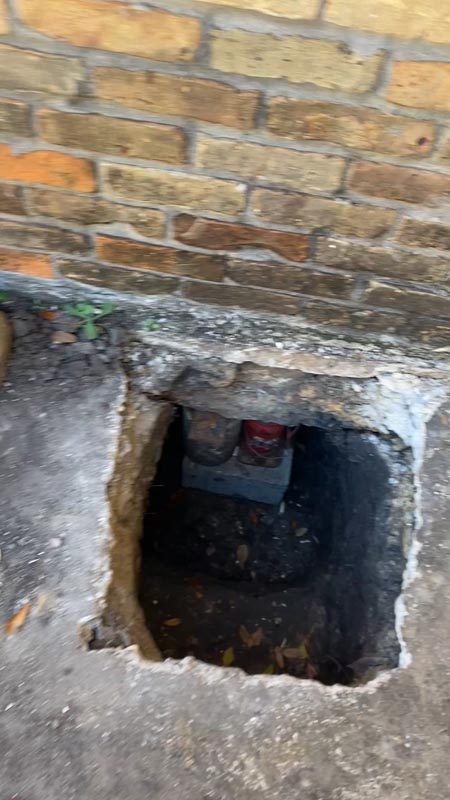
The biggest mistake is treating gas pipe work like a quick connection. Gas piping needs the right permit, trained installer, correct material, approved route, proper support, shutoff access, pressure test, and inspection before use. Skipping those steps can create safety risks and expensive rework.
Another common mistake is designing finished features before the gas work is solved. Stone outdoor islands, custom cabinets, range walls, tiled backsplashes, and concrete patios can all block access if the gas plan is late.
Warning signs before approving gas work
- The appliance model has not been selected yet.
- The gas shutoff would be hidden behind a fixed panel.
- The outdoor kitchen island has no service access.
- The gas route crosses planned concrete with no access plan.
- The range hood has not been coordinated with the range location.
- The contractor says the gas line can be figured out after cabinets arrive.
- No one has discussed pressure testing before finishes close.
Table 5: Common Gas Pipe Mistakes and Better Fixes
| Mistake | Why It Causes Trouble | Better Fix | Result |
|---|---|---|---|
| Late appliance selection | Gas connection location may not match. | Select appliances before rough-in. | Cleaner installation. |
| Hidden shutoff | Service and emergency access become difficult. | Design accessible shutoff location. | Safer operation and easier maintenance. |
| No pressure test planning | Leaks may be found after finishes are complete. | Pressure test before close-in and final connection. | Less rework and safer project. |
| Ignoring BTU demand | Line may not support appliance load. | Size gas piping based on demand and route. | Better appliance performance. |
| Building island before gas route | Access may be blocked. | Run and inspect gas line before island finishes. | Cleaner outdoor kitchen build. |
| Separating gas and ventilation planning | Cooking area may not vent properly. | Coordinate range, hood, duct, and gas line together. | Better kitchen function. |
 Cost Planning for Gas Pipe Work
Gas pipe costs depend on distance, access, material, appliance demand, number of fixtures, trenching, wall openings, pressure testing, inspection, and finish repair. A short range relocation in an open wall is very different from running a gas line across a backyard to an outdoor kitchen.
Houston Builders prices gas work based on the real route and appliance needs. A simple range move may be part of a kitchen remodel. An outdoor kitchen may involve trenching, concrete coordination, patio planning, and appliance connections. A fire feature may require a longer route and extra planning for shutoff access.
Table 6: Cost Ranges for Gas Pipe Projects
| Gas Scope | Typical Work Included | Estimated Cost Range | Cost Watchout |
|---|---|---|---|
| Gas range relocation | Line reroute, shutoff, rough-in, test, inspection support. | $2,700 to $10,800 | Cabinet and appliance specs affect final cost. |
| Gas cooktop installation | Gas connection, cabinet coordination, shutoff access, testing. | $2,025 to $8,100 | Countertop cutout and cabinet clearance matter. |
| Outdoor grill gas line | Route planning, trenching if needed, piping, shutoff, test. | $5,400 to $18,900 | Distance from gas source drives cost. |
| Outdoor kitchen with grill and side burner | Multiple appliance connections, shutoff planning, island coordination. | $8,100 to $27,000+ | BTU demand and access panels should be planned early. |
| Gas fire pit or fireplace line | Line extension, fixture connection, shutoff, testing. | $5,400 to $20,250+ | Location and appliance demand affect sizing. |
| Gas work with patio or concrete coordination | Trenching, pipe route, concrete repair or coordination, inspection. | $8,100 to $33,750+ | Plan before hardscape is poured. |

 Outdoor Gas Lines and Concrete Need a Shared Plan
Outdoor kitchens often happen alongside concrete work, deck and patio projects, pergolas, covered patios, lighting, and drainage upgrades. Gas routing should be decided before concrete is poured or pavers are set.
If gas work comes after the patio is finished, the project may require cutting new concrete, trenching through finished landscaping, or rebuilding parts of the island. That is why Houston Builders coordinates gas, electrical, plumbing, drainage, and hardscape before outdoor construction begins.
We completed a patio and outdoor kitchen project near Bellaire where the homeowner wanted a clean concrete slab and a built-in gas grill. Before pouring concrete, we roughed the gas route, planned electrical, checked drainage, and confirmed the island footprint. The finished patio looked simple because the complicated work happened first.
Table 7: Outdoor Kitchen Trade Coordination
| Trade | What It Needs | Why It Matters | Best Timing |
|---|---|---|---|
| Gas | Appliance demand, route, shutoff, and test access. | Gas line must be inspected before being hidden. | Before island finish and concrete closure. |
| Electrical | Outlets, lighting, fans, refrigerator, igniters. | Outdoor power needs safe placement and protection. | Before stone, cabinets, and ceiling finishes. |
| Plumbing | Outdoor sink supply and drain if included. | Wet areas change utility planning. | Before slab and island layout are final. |
| Concrete | Slab slope, thickness, and utility sleeves. | Hardscape should not block future service. | After routes are planned and before pour. |
| Framing or masonry | Island structure and service openings. | Appliances need clearances and access. | After appliance specs are confirmed. |
| Drainage | Water flow around outdoor kitchen and patio. | Standing water damages finishes and equipment. | Before concrete, pavers, or deck work. |
“Outdoor kitchens fail when trades work in the wrong order. Gas, electrical, plumbing, concrete, and drainage need to be planned before the stone goes on.”
 How CE-1215 Helps the Remodel Timeline
Gas work slows projects down when it is treated as a late add-on. If the range location changes after cabinets are ordered, or an outdoor grill is selected after the island is built, the job can stop for rerouting and reinspection. CE-1215 helps make gas work official early enough to support the schedule.
Houston Builders reduces delay by reviewing appliance specs, gas route, shutoff access, pressure testing, and inspection timing before finishes begin. For kitchens, that means gas rough-in before cabinets and backsplash. For outdoor kitchens, that means gas routing before concrete and island finishes.
Table 8: Timeline Comparison for Gas Pipe Work
| Phase | Slow Path | Houston Builders Path | How Time Is Saved |
|---|---|---|---|
| Design | Appliance locations chosen without gas route review. | Gas route is checked during layout planning. | Prevents design changes after rough-in. |
| Permit filing | CE-1215 is handled after field work begins. | Permit scope is prepared before gas piping starts. | Cleaner inspection path. |
| Rough-in | Appliance specs are missing. | Gas demand and connection location are confirmed early. | Fewer return visits. |
| Pressure testing | Testing is delayed until finishes are in the way. | Testing happens before close-in or island finish. | Less rework if correction is needed. |
| Cabinet or island installation | Gas stub conflicts with drawers or panels. | Gas location matches cabinet and appliance plan. | Cleaner install. |
| Final connection | Appliance cannot connect cleanly. | Final connection follows approved rough-in. | Faster closeout. |
 Where CE-1215 Connects to Houston Builders Services
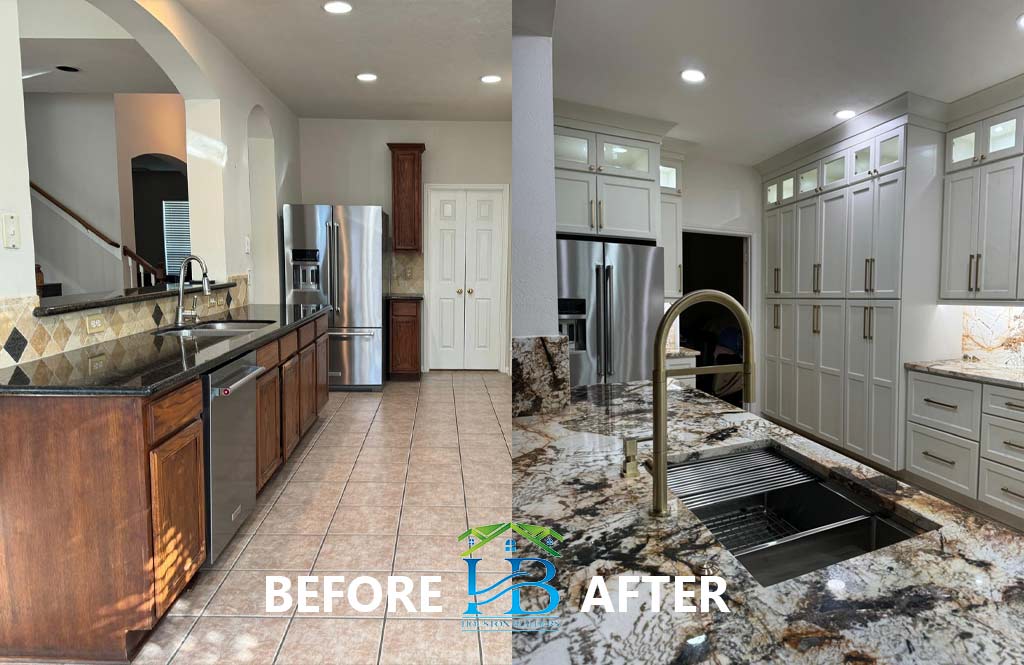
Gas piping connects to many Houston Builders services. Kitchen remodeling may involve moving a gas range, cooktop, or oven. Deck and patio projects may include grills, fire features, heaters, or outdoor kitchens. Concrete work may need coordination before gas lines are buried or crossed.
Room additions and conversions may add gas appliances, water heaters, or outdoor living areas. Fireplace and chimney work can involve gas log sets or fireplace connections. Water damage restoration sometimes uncovers gas routing conflicts when walls are opened. The best time to coordinate these systems is before finish work begins.
Table 9: Services and Gas Permit Concerns
| Service | Gas Connection | Risk If Ignored | Planning Move |
|---|---|---|---|
| Kitchen remodeling | Range, cooktop, oven, or gas appliance relocation. | Cabinet conflicts and failed rough-in timing. | Coordinate gas with appliance and cabinet specs. |
| Outdoor kitchen | Grill, side burner, pizza oven, or fire feature. | Insufficient line size or hidden shutoff. | Review BTU demand and service access. |
| Patio cover | Gas grill or heater under or near the cover. | Heat, ventilation, and clearance problems. | Plan equipment placement with cover design. |
| Concrete patio | Gas route may cross slab area. | Concrete cutting after the pour. | Route and inspect before hardscape. |
| Fireplace work | Gas log set or new gas connection. | Unsafe connection or poor access. | Confirm appliance specs and shutoff location. |
| Room addition | Gas appliance, water heater, or outdoor utility extension. | Gas work left out of permit planning. | Review all fuel-burning appliances early. |
“Gas work touches design, safety, permits, and finish details. The best remodels make that work invisible after making it very visible during planning.”
 Maintenance After Gas Work Is Complete
Once gas work is finished, homeowners should know where shutoff valves are located and keep service access clear. Outdoor kitchens need extra attention because weather, insects, grease, dust, and shifting patio materials can affect appliance areas over time.
Table 10: Gas Line Maintenance and Safety Schedule
| Timeframe | What to Check | Why It Matters | Homeowner Action |
|---|---|---|---|
| First week | Appliance operation, shutoff access, and any unusual smell. | Early use can reveal connection or appliance issues. | Stop use and call if gas odor is noticed. |
| First 30 days | Outdoor island access panels, grill connection, and burner performance. | New appliances settle into regular use. | Keep access areas clear. |
| Every 3 months | Outdoor grill area, grease buildup, insects, and visible connections. | Outdoor appliances face more exposure. | Clean appliance area and inspect visually. |
| Every 6 months | Shutoff valves and service panels. | Emergency access must stay clear. | Do not store items in front of shutoffs. |
| Every year | Appliance service, burner condition, and outdoor kitchen ventilation. | Annual care improves safety and performance. | Schedule service as needed. |
| After patio or landscape changes | Access to gas route, valves, and appliance panels. | New hardscape or plants can block service access. | Keep gas components reachable. |
Project Video: Why Trade Coordination Matters
Here is a quick jobsite look at why planning, sequencing, and clear setup help remodeling work move faster once construction begins.
Final Takeaway: CE-1215 Keeps Gas Work Safe, Permitted, and Ready for the Finished Design
CE-1215 Gas Pipe Permit matters because moving a gas range, adding an outdoor kitchen, installing a gas grill, or running gas to a fire feature changes the home’s fuel system. That work needs to be planned, permitted, tested, inspected, and coordinated before cabinets, stone, concrete, tile, or appliance panels hide the route.
For kitchen remodeling, outdoor kitchens, deck and patio projects, concrete work, fireplace upgrades, room additions, and backyard living spaces, gas planning belongs near the beginning of the project. Appliance specs, BTU demand, shutoff access, route planning, pressure testing, and inspection timing should all be settled before finish work begins.
Houston Builders uses CE-1215 planning to help homeowners avoid late reroutes, cabinet conflicts, hidden shutoffs, unsafe connections, and concrete cuts after the fact. A safe gas line may disappear behind a beautiful finished project, but it should never be an afterthought.
Houston Builders serves River Oaks, Bellaire, West University, Memorial Village, Tanglewood, Houston Heights, Montrose, Greenway, Upper Kirby, 77006, 77007, 77077, 77494, 77401, 77024, 77057, 77040, 77018, 77019, 77005, 77008, 77096, and 77035. Contact Houston Builders today at 832-888-1036 or visit us at 10101 Fondren Rd, Houston, TX 77096, to schedule your free estimate.