

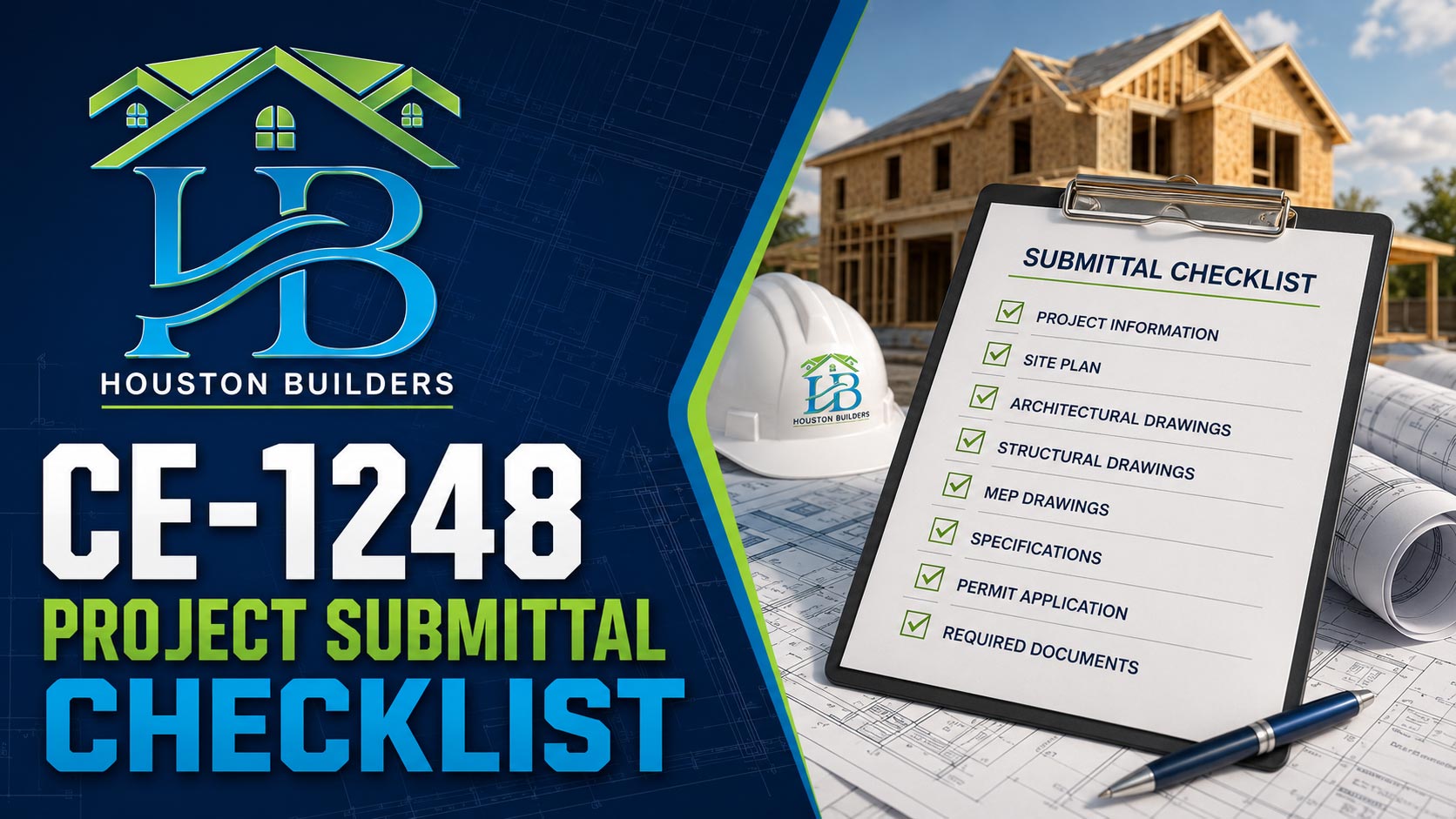
The Don’t-Forget-This List for Houston Remodel Permits
CE-1248 Project Submittal Checklist is the “don’t-forget-this” list used during the intake process at the Houston Permitting Center. For homeowners, it may look like another piece of paperwork. For Houston Builders, it is one of the most useful tools for keeping a remodel from getting stuck before it starts. Whether the project is full replaster, bathroom remodeling, kitchen remodeling, a room addition, garage rebuild, roof repair, concrete work, balcony waterproofing, siding, flooring, or water damage restoration, CE-1248 helps confirm that the permit package has the right pieces before review begins.
At Houston Builders, Joe G. treats CE-1248 like a pre-flight checklist. A pilot does not wait until the plane is rolling to check the basics. In the same way, a remodel should not reach permit intake with missing drawings, unclear scope, missing signatures, missing trade details, or incomplete project information. When the checklist is handled early, the project moves with fewer surprises.
Houston homes in River Oaks, Bellaire, West University, Memorial Village, Tanglewood, Houston Heights, Montrose, Greenway, Upper Kirby, 77006, 77007, 77077, 77494, 77401, 77024, 77057, 77040, 77018, 77019, 77005, 77008, 77096, and 77035 often have older plumbing, hidden water damage, past remodels, roof tie-ins, and drainage issues. CE-1248 helps bring all those details into one clean submittal package before the City starts asking questions.
 Why CE-1248 Matters Before the Permit Counter
The intake process is where a project package gets its first real test. The City needs enough information to understand what is being built, repaired, moved, removed, or replaced. A missing sheet can stop the process. A vague scope can create questions. A drawing that does not match the application can send the package back for correction.
For a small bathroom remodel, CE-1248 may help confirm the basics: application, plans, trade scope, owner information, contractor information, and any special forms. For a full replaster project, the checklist matters when the work connects to water damage, framing repair, plumbing work, exterior leaks, or ventilation changes. Surface work can become permit-related when the repair touches systems behind the finish.
We completed a bathroom and full replaster repair about 1.2 miles from Levy Park near Upper Kirby. The homeowner first described it as “just plaster and tile.” Once we inspected, the work also included shower plumbing repair, wall backing, ventilation, and waterproofing. CE-1248 helped us avoid submitting a package that described only the surface.
“The checklist is not there to make the job harder. It keeps the job from getting rejected at the first step. When we prepare the right documents before intake, the homeowner saves time and avoids the back-and-forth that makes projects feel stuck.”
Table 1: What CE-1248 Helps Confirm at Intake
| Checklist Item | What It Confirms | Why It Matters | Houston Builders Step |
|---|---|---|---|
| Permit application | The main project information is included. | Missing or wrong front-page information can delay the whole package. | We verify address, owner, contractor, and project type before filing. |
| Project scope | The work description matches the job. | Vague wording can cause corrections during intake. | We describe the work in plain language with key trade details. |
| Drawings or plans | The City can see what is changing. | Reviewers need more than a verbal description. | We prepare simple, clear drawings when the scope calls for them. |
| Trade work | Plumbing, electrical, mechanical, or structural work is identified. | Missing trade details can slow inspection scheduling later. | We separate finish-only work from system work early. |
| Supporting forms | Special forms are included when needed. | Missing affidavits, criteria sheets, or seal requirements can stop intake. | We review the permit path before submission. |
| Document consistency | Application, drawings, and estimate point to the same scope. | Mismatched documents create confusion. | We compare the paperwork against the field plan before filing. |
 The Real Cost of Missing One Item
A missing item does not always mean the project is denied. Sometimes it means the package waits. Sometimes it means the homeowner or contractor has to revise drawings, add a form, clarify the scope, or return with a corrected set. Those small stops add up. A one-day missing document can push a crew schedule, delay material ordering, and affect trade availability.
For Houston Builders, the checklist is a scheduling tool. If the intake package is complete, we can schedule work with more confidence. If the package is incomplete, we risk lining up a crew before the permit is ready. That creates frustration for everyone.
We completed a kitchen and flooring project about 0.9 miles from Rice Village in 77005 where the homeowner wanted work to start quickly. The checklist showed that the electrical scope and appliance layout were not clear yet. We corrected that before filing. That kept the permit path cleaner and helped the job move faster once approved.
Table 2: Missing Checklist Items and Their Schedule Impact
| Missing Item | Common Delay | Why It Happens | Better Move |
|---|---|---|---|
| Unclear scope | 2 to 5 business days | The reviewer needs to know what work is actually planned. | Write the scope to match the estimate and drawings. |
| Missing existing plan | 3 to 7 business days | The City cannot compare current layout to proposed changes. | Include a simple existing layout when rooms change. |
| Missing proposed plan | 3 to 7 business days | Fixture locations, walls, doors, or openings are not shown. | Show the finished layout clearly. |
| Trade details missing | 2 to 6 business days | Plumbing, electrical, or mechanical work was not called out. | Identify trade scope before intake. |
| Engineer information missing | 5 to 14 business days | Structural work may need sealed details. | Review load-bearing changes before submission. |
| Wrong project type | 3 to 10 business days | The package may be routed incorrectly. | Confirm whether it is repair, remodel, addition, rebuild, or conversion. |
“A missing page can feel small, but it can throw off a whole week of scheduling. That is why we use CE-1248 before intake, not after someone tells us the package is incomplete.”
 Full Replaster and Bathroom Remodels Need Clear Scope
Bathroom remodeling is one of the easiest projects to under-describe. A homeowner may call it a bathroom refresh, but the project may include shower waterproofing, full replaster, plumbing relocation, electrical updates, a new exhaust fan, wall repair, tile, framing repairs, and vanity changes. CE-1248 helps make sure the submittal package does not leave out the parts that matter.
Full replaster also needs careful wording. If the work is only surface renewal, the package may be simple. If the replaster follows water damage, exterior leaks, mold-stained materials, old plumbing failure, or framing damage, the scope should identify the repair path. New plaster over a wet or unstable wall is not a long-term fix.
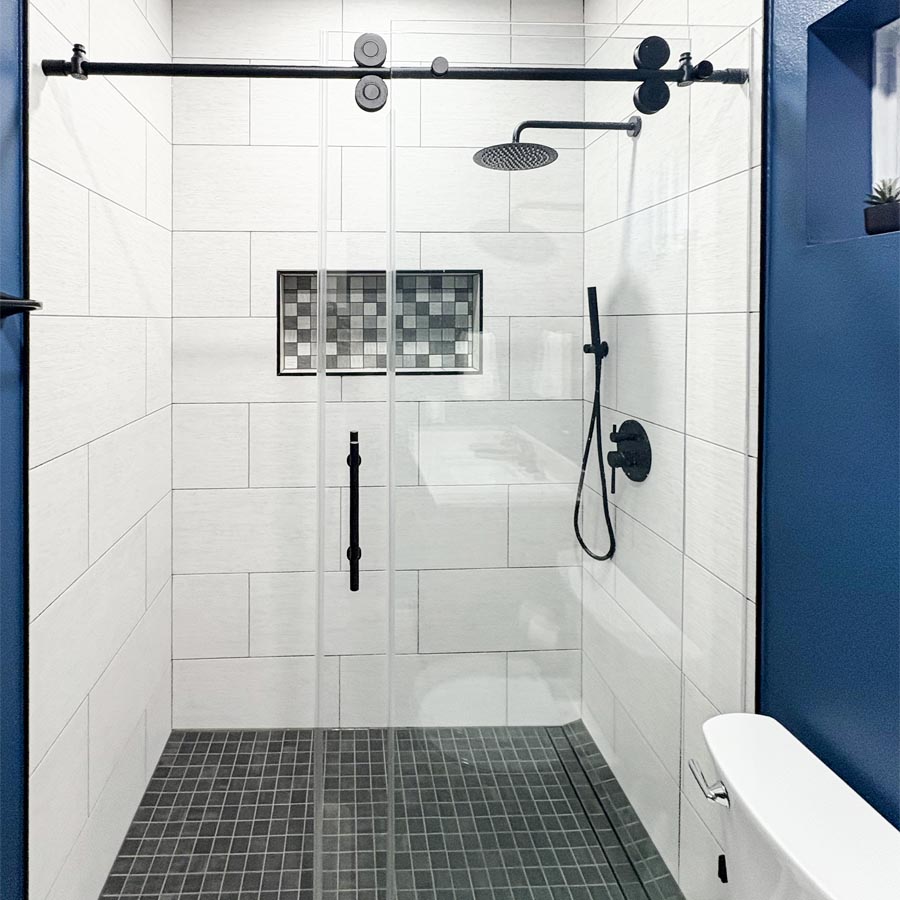
We completed a primary bathroom remodel about 1.5 miles from Memorial City Mall in 77024 where the owner wanted full replaster, new shower tile, and better lighting. The checklist helped us include plumbing, electrical, ventilation, finish materials, and wall repair information before intake.
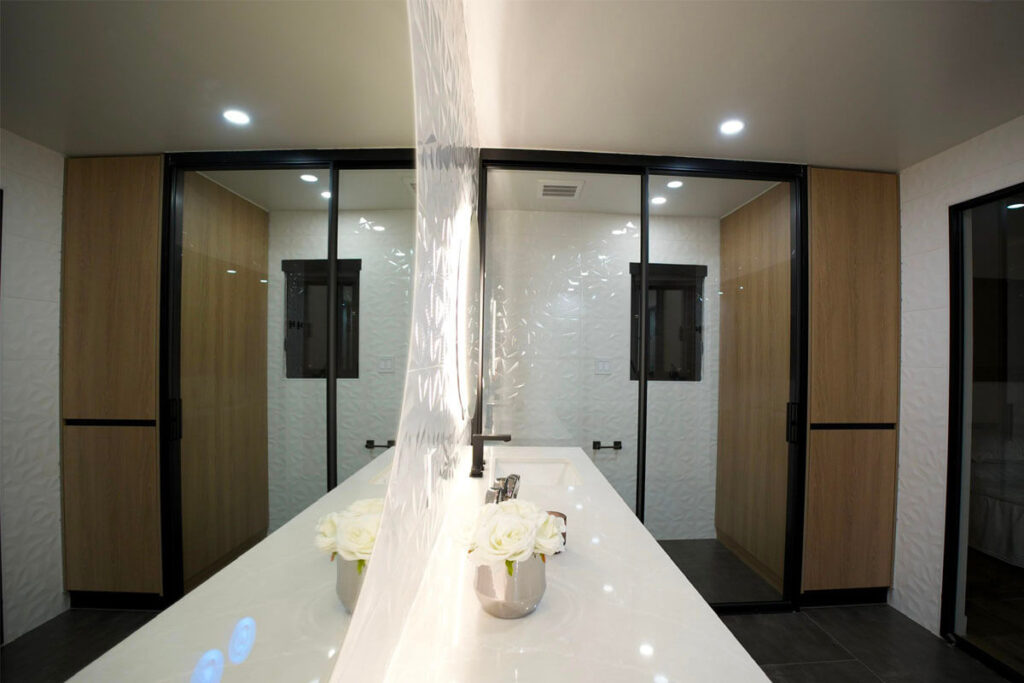
Table 3: Bathroom and Full Replaster Intake Checklist
| Bathroom Item | What to Include | Why It Matters | Common Mistake |
|---|---|---|---|
| Existing bathroom layout | Current tub, shower, vanity, toilet, doors, and windows. | Shows what is changing. | Submitting only the new layout. |
| Proposed bathroom layout | New fixture positions, shower size, vanity width, and door swings. | Helps review plumbing and layout changes. | Leaving out fixture moves. |
| Full replaster scope | Wall and ceiling areas, prep, cause of damage, and finish plan. | Clarifies whether it is finish work or repair after damage. | Calling water damage a cosmetic patch. |
| Plumbing notes | Valve, drain, toilet, tub, shower, and lavatory changes. | Supports rough-in and inspection planning. | Buying fixtures after rough-in. |
| Electrical notes | Lighting, switches, outlets, fan controls, and vanity lighting. | Bathrooms need safe electrical planning. | Forgetting mirror and sconce locations. |
| Ventilation notes | Fan size, duct direction, and humidity concerns. | Houston humidity can damage new finishes. | Installing a fan without solving airflow. |
 CE-1248 Touches More Than Bathrooms
Houston Builders uses checklist thinking across all remodel services. Bathroom remodeling needs fixture, waterproofing, ventilation, and wall details. Kitchen remodeling needs cabinet, appliance, electrical, plumbing, and lighting coordination. Room additions and conversions need foundation, framing, roof tie-in, energy, and trade notes. Water damage restoration needs the cause and repair path.
Roofing may involve decking, flashing, vents, and structural repair. Exterior paint and siding can involve trim rot, flashing, and water intrusion. Deck and patio projects need footing, post, beam, and drainage details. Concrete work needs location, size, purpose, slope, and drainage planning. Floors and stairs may need subfloor, framing, and safety review.
Table 4: Project Types and Submittal Documents
| Project Type | Helpful Submittal Items | Reason for Intake | Common Missing Detail |
|---|---|---|---|
| Kitchen remodel | Existing plan, proposed plan, appliance layout, electrical notes. | Shows changes to cabinets, circuits, plumbing, and layout. | Appliance and outlet locations. |
| Room addition | Site plan, foundation plan, framing notes, energy details, trade notes. | Shows added square footage and how it connects to the home. | Roof tie-in and drainage plan. |
| Garage rebuild | Slab details, framing, roof plan, electrical notes, door layout. | Clarifies rebuild vs. conversion. | Use of the finished space. |
| Balcony waterproofing | Slope, membrane, flashing, drainage, structural notes if needed. | Shows how water is controlled. | Edge and drain details. |
| Roofing repair | Roof scope, decking repair notes, flashing areas, ventilation notes. | Clarifies repair vs. replacement. | Hidden decking damage plan. |
| Concrete patio | Location, size, slope, thickness, drainage direction. | Shows where water will go. | Water flow toward the house. |
 Cost Planning Before the Checklist Is Final
CE-1248 does not set the price of a remodel, but it helps expose the real scope. That affects the budget. If the checklist shows plumbing, electrical, mechanical, structural, or water damage work, the homeowner should not compare that estimate to a finish-only bid. A full replaster repair after moisture damage costs more than a clean surface skim because the cause must be corrected first.
A strong checklist also helps avoid change orders. When the drawings, scope, and estimate agree, everyone has a better starting point. When the estimate says one thing and the permit package says another, the project becomes harder to manage.
We completed a kitchen remodel about 0.6 miles from The Menil Collection in Montrose where the checklist caught a missing sink relocation note. That small correction changed plumbing coordination and cabinet ordering before the project reached the field.
Table 5: Cost Ranges by Remodel Scope
| Project Type | Typical Work Included | Estimated Cost Range | Checklist Watchout |
|---|---|---|---|
| Bathroom remodel with full replaster | Demo, wall prep, full replaster, tile, fixtures, lighting, ventilation. | $24,300 to $47,250 | Confirm whether plumbing, electrical, or water damage repair is included. |
| Kitchen remodel | Cabinets, counters, appliance layout, lighting, backsplash, flooring. | $33,750 to $135,000 | Cabinet plan should match appliance and plumbing locations. |
| Room addition | Foundation, framing, roofing, HVAC, electrical, insulation, finishes. | $108,000 to $256,500+ | Added square footage needs stronger documentation. |
| Water damage restoration | Demo, drying, leak repair, framing repair, wall rebuild, finishes. | $13,500 to $54,000+ | The source of water must be part of the repair plan. |
| Roof repair or replacement | Shingles, underlayment, flashing, vents, decking repair. | $8,100 to $27,000+ | Decking damage can change the scope after opening. |
| Deck or patio cover | Posts, beams, footings, framing, roofing, railing, finish. | $16,200 to $54,000+ | Footings, attachments, and drainage should be defined early. |
“A checklist can save money because it forces the hard questions early. Is this just finish work, or are we moving plumbing? Is this just paint, or are we fixing water damage? Those answers affect the real price.”
How Checklist Prep Helps Us Cut the Timeline
Project speed depends on more than crew size. It depends on how many times the project stops. CE-1248 helps reduce stops during intake. When the submittal is complete, the permit process can move faster, materials can be ordered with more confidence, and crews can be scheduled in the right order.
For a standard bathroom remodel, the common industry timeline is often 15 to 25 working days after approvals and materials are ready. Houston Builders often targets 8 to 13 working days for a well-planned bathroom when the layout stays mostly in place, products are selected early, and inspections are coordinated. For larger projects, the schedule grows, but checklist prep still saves time.
Table 6: Timeline Comparison With and Without Checklist Prep
| Phase | Without Checklist Prep | With Houston Builders Checklist Prep | Why It Moves Faster |
|---|---|---|---|
| Initial scope review | 3 to 5 business days | 1 to 2 business days | We identify permit-sensitive items early. |
| Document gathering | 5 to 12 business days | 3 to 6 business days | We know which drawings and notes are needed. |
| Intake corrections | 2 to 10 business days | Reduced when the package is complete | CE-1248 catches missing items before intake. |
| Material ordering | Often delayed by unclear scope | Starts earlier for selected items | Selections are tied to drawings and trade work. |
| Trade scheduling | Stop-and-start | Sequenced around approved scope | Plumbing, electrical, and mechanical work are planned. |
| Finish work | Delayed by rework | Runs after rough work is checked | Full replaster and finishes happen after the cause is repaired. |
 Mistakes That Make Intake Harder
The most common mistake is filing before the project is ready. A homeowner may want to “get in line,” but if the package is missing major pieces, that early filing may not save time. Another mistake is letting drawings, estimates, and applications tell different stories. The City should not have to guess which version is correct.
Warning signs before submittal
- The estimate says plumbing is moving, but the drawings do not show it.
- The homeowner has not decided whether walls or fixtures will move.
- The scope says full replaster, but water damage is not addressed.
- The project type is unclear: repair, remodel, addition, rebuild, or conversion.
- The contractor cannot explain which supporting documents are included.
- The drawings show one layout and the material order shows another.
- The project includes structural changes, but engineering has not been discussed.
 Local Houston Conditions That Affect the Checklist
Houston’s weather and housing stock make good intake planning even more important. Heavy rain can reveal roof and wall leaks. Humidity can damage bathroom finishes. Older homes in Montrose, The Heights, West University, and Bellaire may have past additions or unrecorded changes. Homes near Memorial and Tanglewood may have larger remodel scopes with room additions, patio covers, exterior walls, and drainage concerns.
We completed a water damage and wall repair project about 1.3 miles from Highland Village where the first visible sign was peeling paint. The actual repair involved exterior water entry, wall prep, full replaster, and finish paint. If the submittal package had called it only a paint repair, it would not have matched the real work.
Houston Builders also uses official local resources during planning, including the Houston Permitting Center and Houston Public Works. The goal is simple: use local information for local projects instead of relying on generic advice from another city.
Table 7: Local Conditions and Submittal Planning
| Houston Condition | How It Shows Up | Submittal Concern | Planning Move |
|---|---|---|---|
| Heavy rain | Roof leaks, wall stains, balcony leaks, patio drainage issues. | Repair scope must address the water source. | Include drainage, flashing, or waterproofing notes when needed. |
| High humidity | Bathroom paint failure, plaster damage, mildew smell. | Ventilation may be part of the repair. | Include fan and airflow details for bathroom work. |
| Older homes | Past remodels, unusual framing, old plumbing, hidden damage. | Scope may change after opening walls. | Document known conditions and plan contingencies. |
| Clay soil and movement | Cracks, sticking doors, slab movement, drainage issues. | Concrete, additions, and framing may need closer review. | Check drainage and structural signs before filing. |
| Storm exposure | Wind-driven rain at roof edges and openings. | Exterior details may affect interior repairs. | Review windows, siding, roofing, and flashing. |
| Dense neighborhoods | Access limits, parking, narrow lots, close property lines. | Site details can affect work planning. | Plan access, staging, debris removal, and neighbor impacts. |
“Houston is not a copy-and-paste city. A checklist item that looks small can matter a lot when you are dealing with old framing, hard rain, tight lots, or a bathroom that has been patched three times before.”
 What Happens After Intake
CE-1248 is not the end of the project. It is the gatekeeper for a cleaner start. After intake, the project may move into review, corrections, approval, trade coordination, inspections, and construction scheduling. The stronger the intake package, the easier it is for each next step to stay connected.
Once the permit path is clear, Houston Builders uses the same checklist mindset in the field. We check materials, protect the home, sequence trades, inspect hidden conditions, and complete punch list items before final closeout. That matters because the paperwork should match the finished work.
Table 8: After-Approval Maintenance and Recordkeeping
| Timeframe | What to Keep or Check | Why It Matters | Homeowner Action |
|---|---|---|---|
| Before construction | Permit documents, drawings, selections, and scope notes. | Keeps the project aligned. | Keep digital copies in one folder. |
| During rough work | Photos of open walls, plumbing, electrical, and framing. | Helpful for future repairs and resale questions. | Ask for progress photos before walls close. |
| Before finishes | Inspection notes, hidden repair documentation, waterproofing details. | Protects full replaster, tile, and paint work. | Confirm the cause of damage is repaired first. |
| At completion | Final scope, warranties, product information, and punch list. | Supports maintenance and future work. | Review the final package before final payment. |
| First 30 days | Caulk, grout, drains, fans, paint, plaster, and fixtures. | Early use can reveal small issues. | Report concerns quickly. |
| After major storms | Ceilings, exterior walls, roof edges, patios, and balconies. | Storms can expose weak points. | Look for stains, swelling, peeling, or musty smells. |

Project Video: Why Planning Matters Before the Job Starts
Here is a quick jobsite look at why planning, sequencing, and clear setup help remodels move faster once work begins.
Final Takeaway: CE-1248 Helps Houston Remodels Start Cleaner
CE-1248 Project Submittal Checklist is the “don’t-forget-this” list that helps the Houston Permitting Center intake process run better. It does not build the project, but it helps confirm that the package includes the right application, drawings, scope notes, trade details, supporting forms, and project information before review begins.
For full replaster, bathroom remodeling, kitchen remodeling, room additions, garage rebuilds, roofing, siding, concrete, flooring, deck and patio work, balcony waterproofing, and water damage restoration, the checklist helps separate a clean submittal from a frustrating one. The best time to use CE-1248 is before filing, before demolition, and before the project schedule depends on missing paperwork.
On well-planned bathroom and finish projects, Houston Builders often cuts the standard 15 to 25 working day remodel timeline by about 50 percent, targeting 8 to 13 working days when scope, permits, materials, and field conditions allow. Larger remodels take longer, but the same checklist mindset saves time by reducing preventable stops.
Houston Builders serves River Oaks, Bellaire, West University, Memorial Village, Tanglewood, Houston Heights, Montrose, Greenway, Upper Kirby, 77006, 77007, 77077, 77494, 77401, 77024, 77057, 77040, 77018, 77019, 77005, 77008, 77096, and 77035. Contact Houston Builders today at 832-888-1036 or visit us at 10101 Fondren Rd, Houston, TX 77096, to schedule your free estimate.