

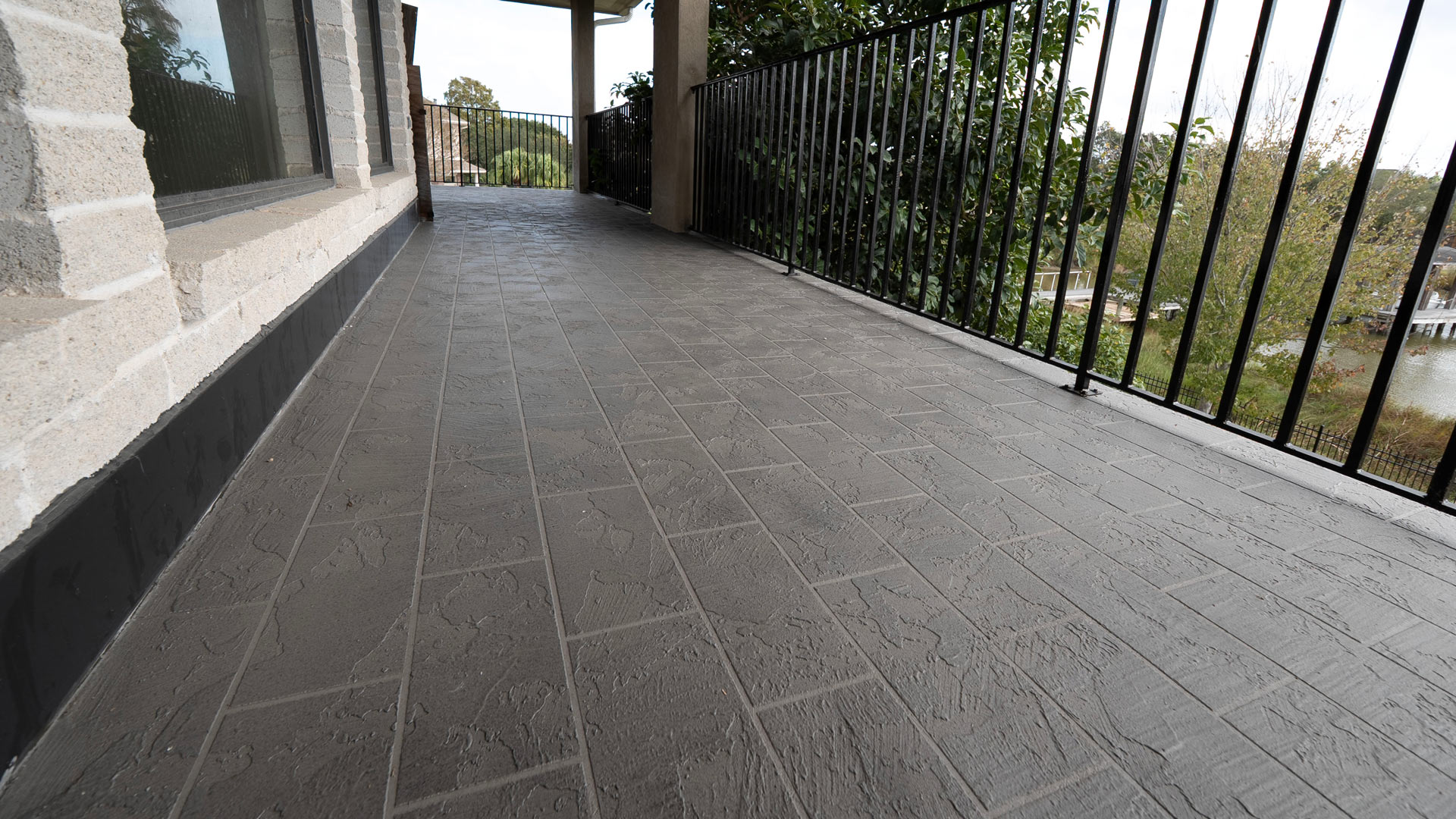
Balcony waterproofing stands as one of the most critical maintenance tasks for Houston homeowners. With annual rainfall averaging 54 inches and humidity regularly exceeding 75%, unprotected balconies are constantly exposed to moisture, leading to structural deterioration, wood rot, and interior water damage. Houston Builders Texas has handled hundreds of balcony repair and waterproofing projects across the Greater Houston area, from Memorial to Sugar Land, protecting homes against the region’s demanding climate.
The consequences of neglected balcony waterproofing extend far beyond surface-level cosmetic issues. Water infiltration compromises structural framing, creates hazardous mold growth, damages interior ceilings below balconies, and can reduce property values by thousands of dollars. Understanding proper waterproofing techniques, material selection, and Houston-specific building requirements ensures your balcony remains safe, functional, and damage-free for decades.
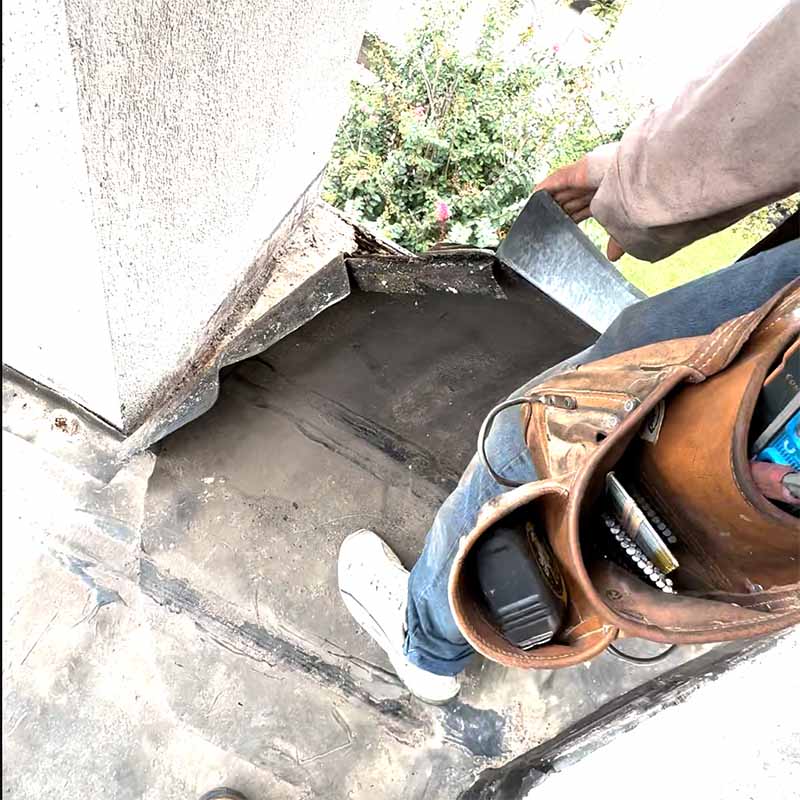
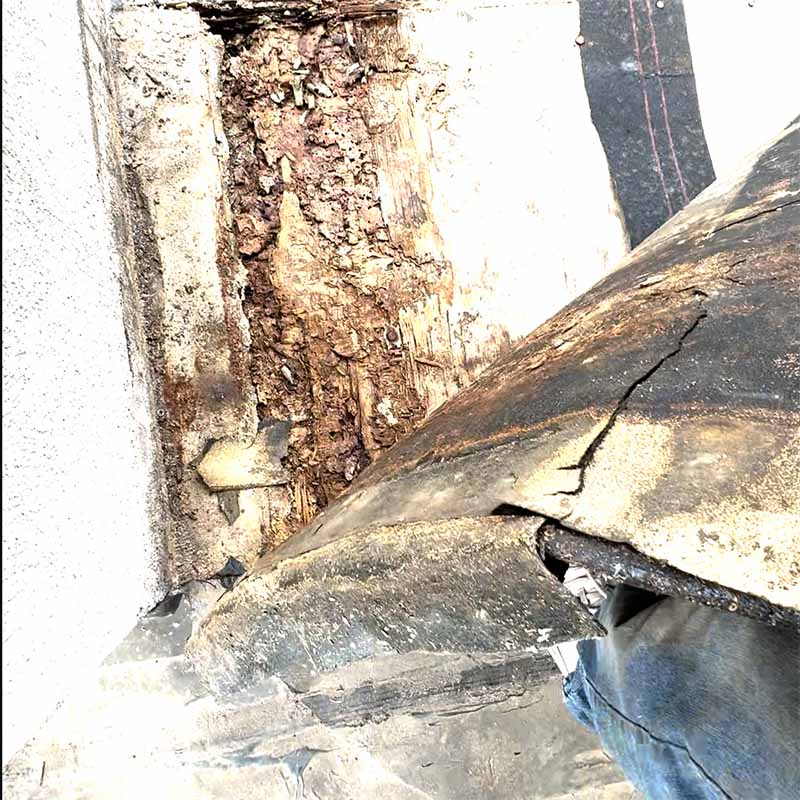
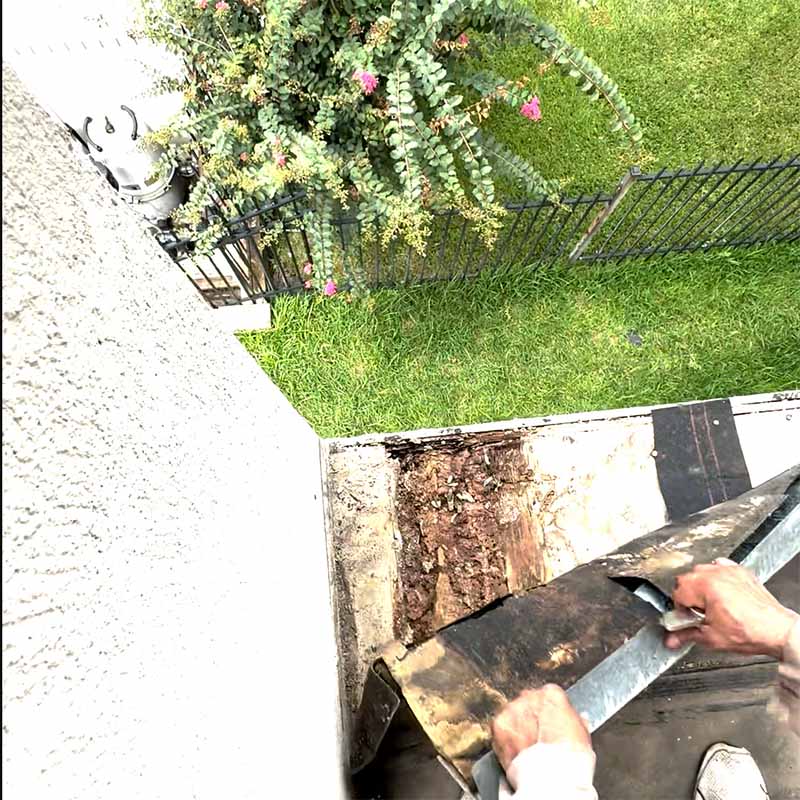
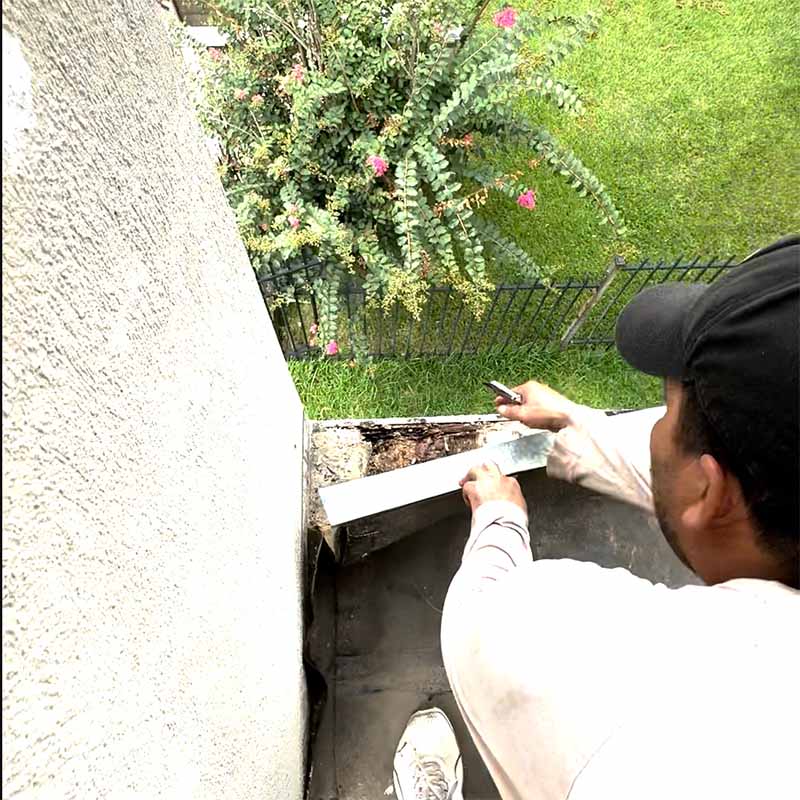
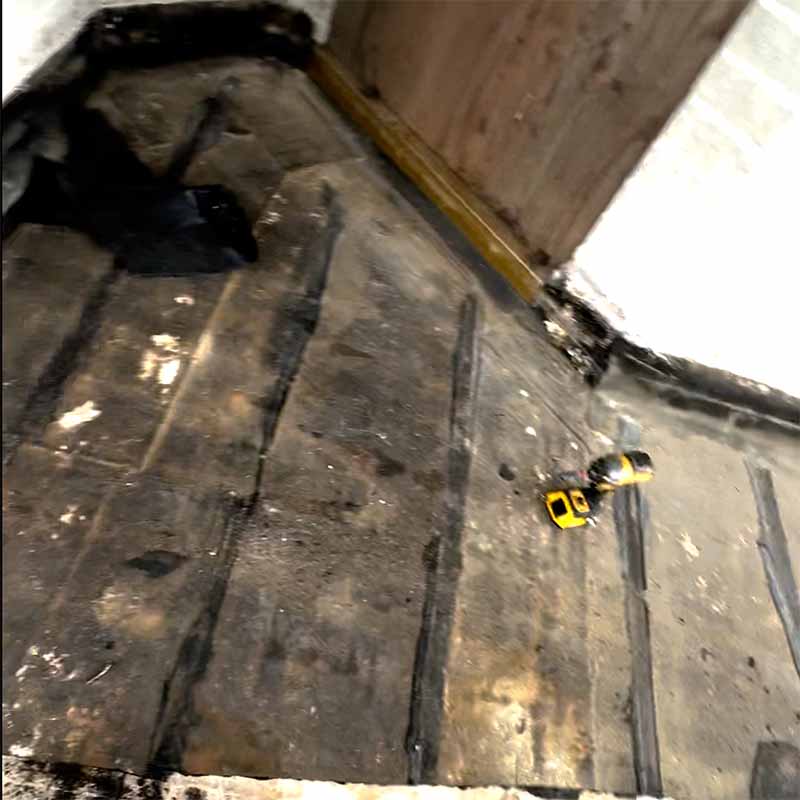
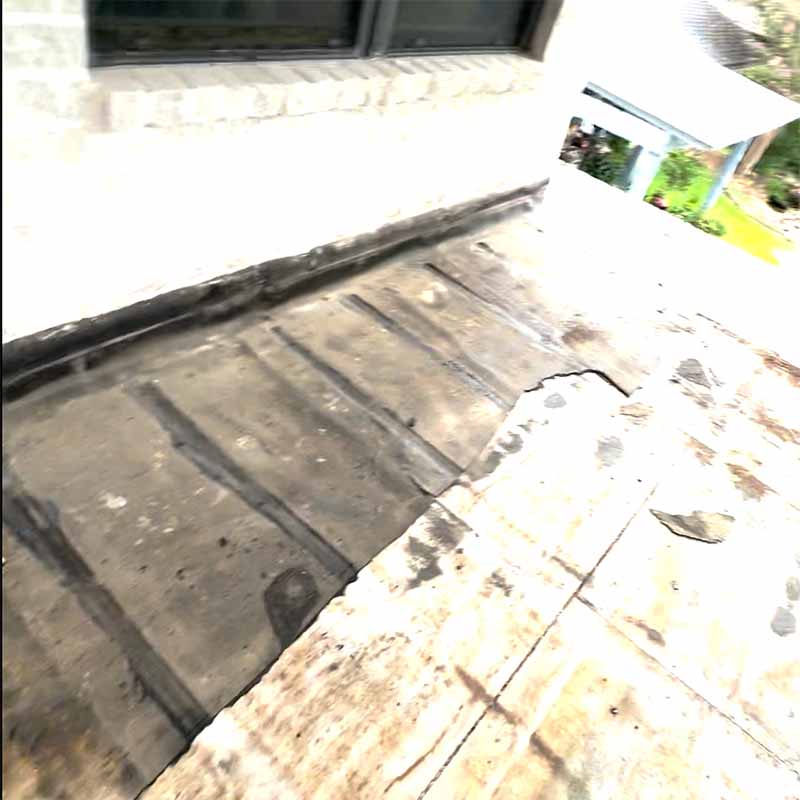

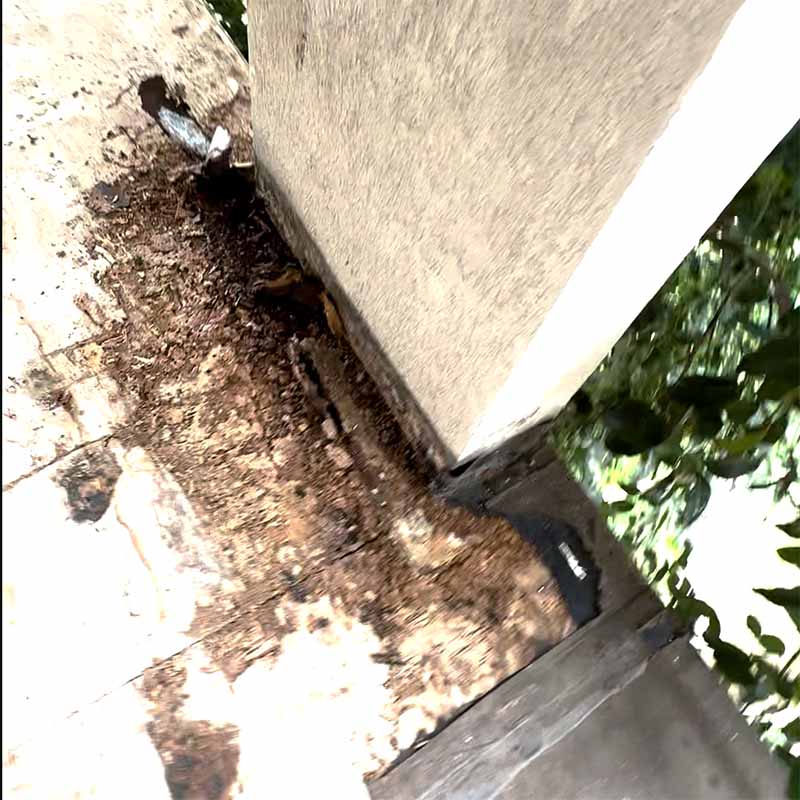
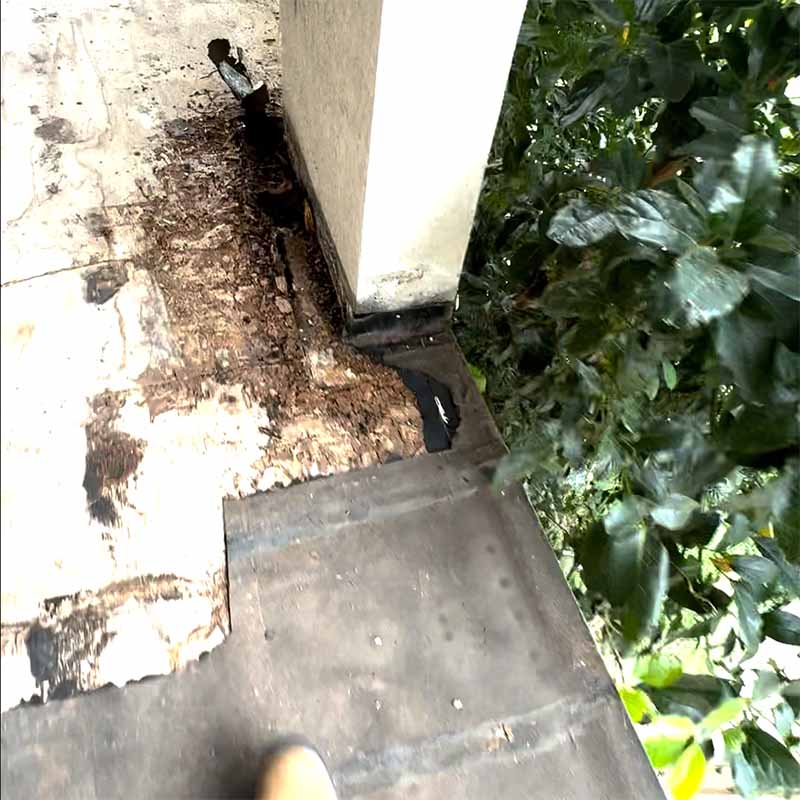
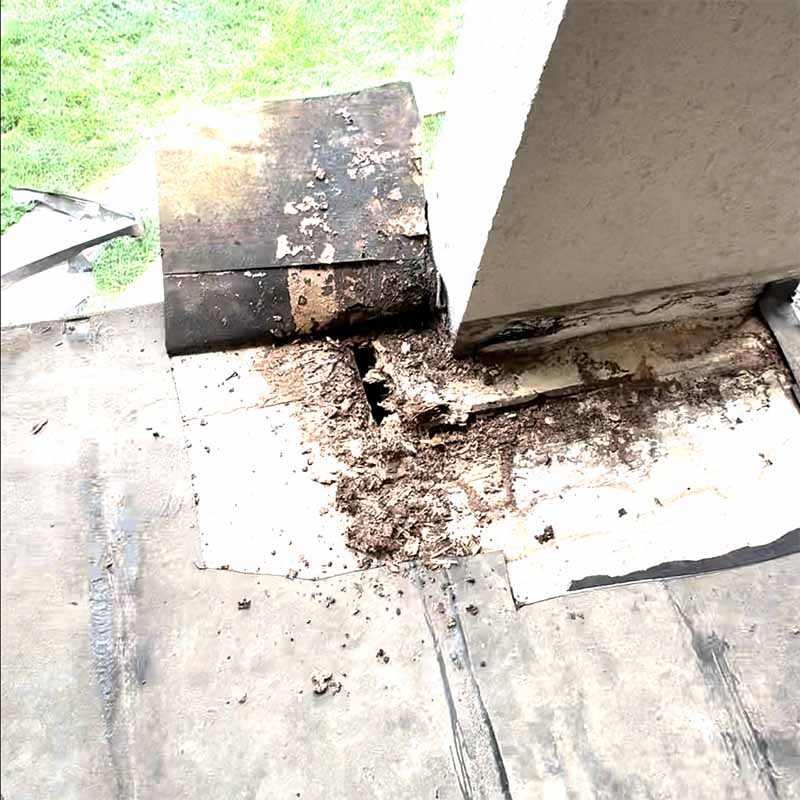
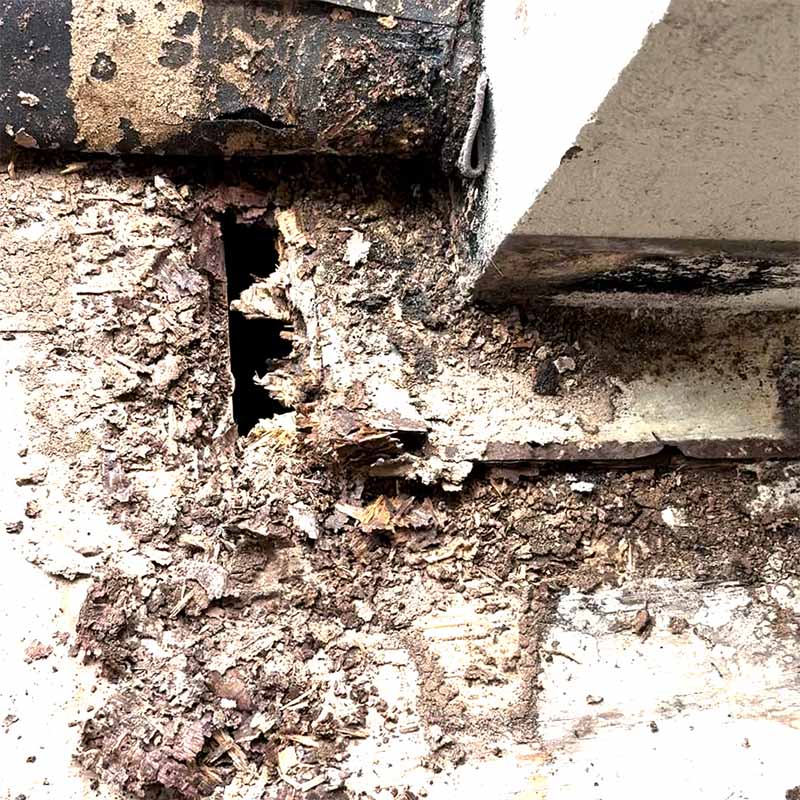
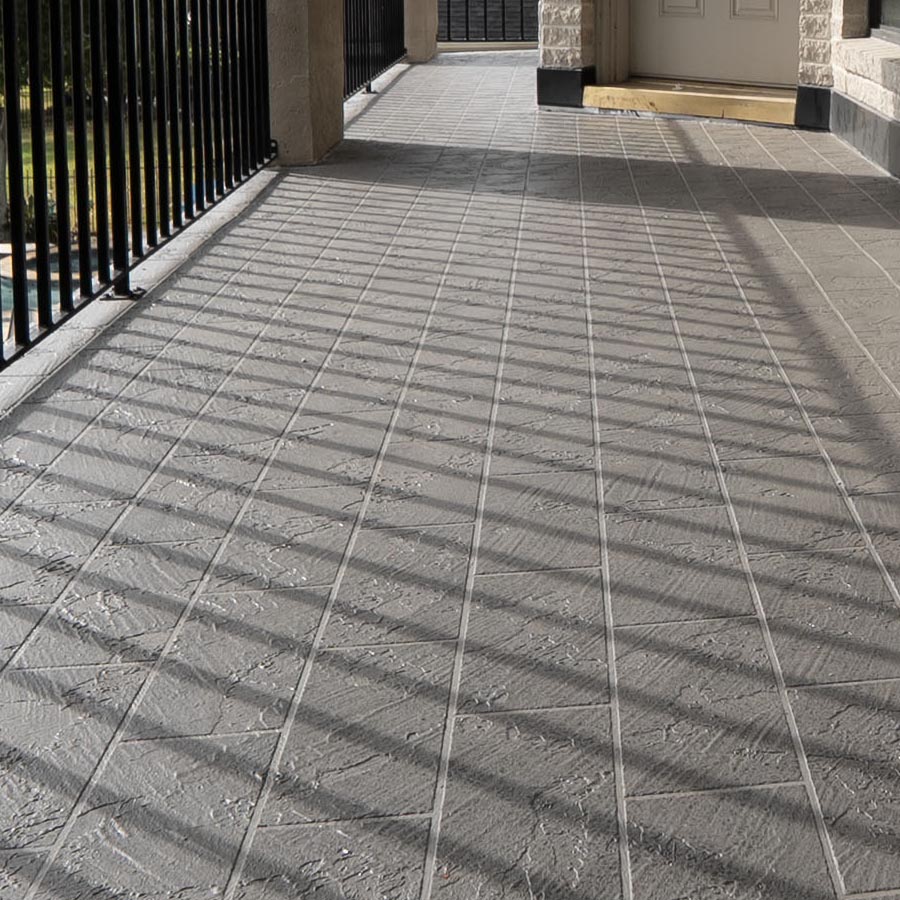
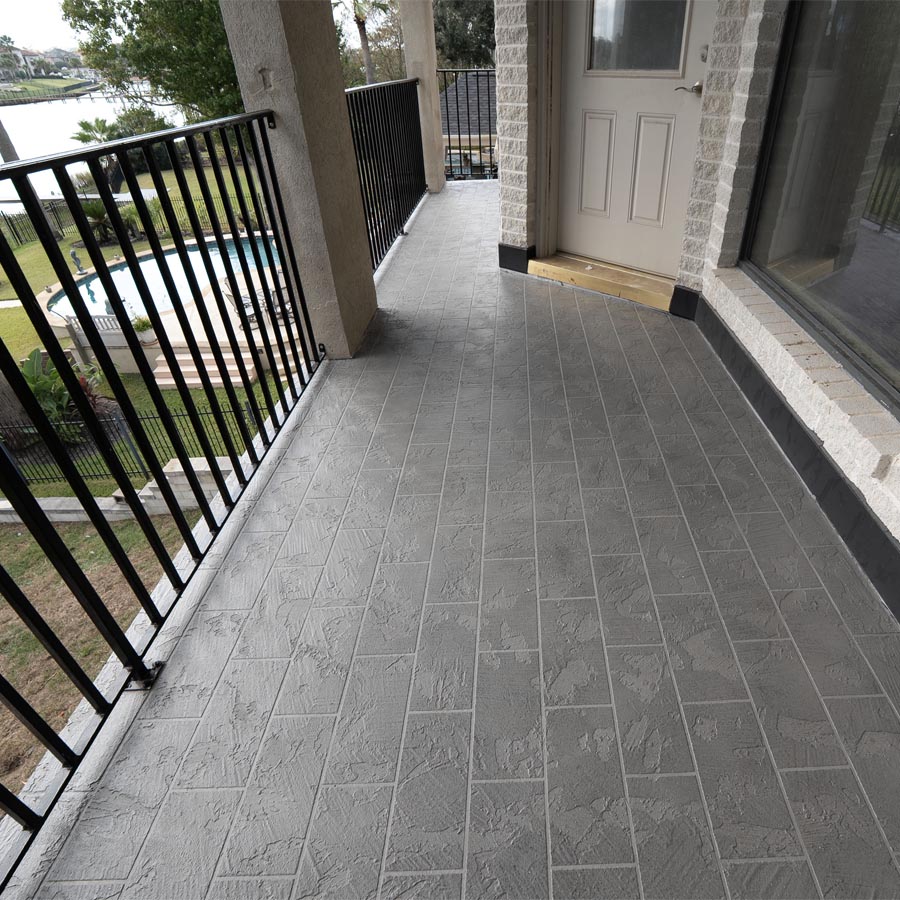
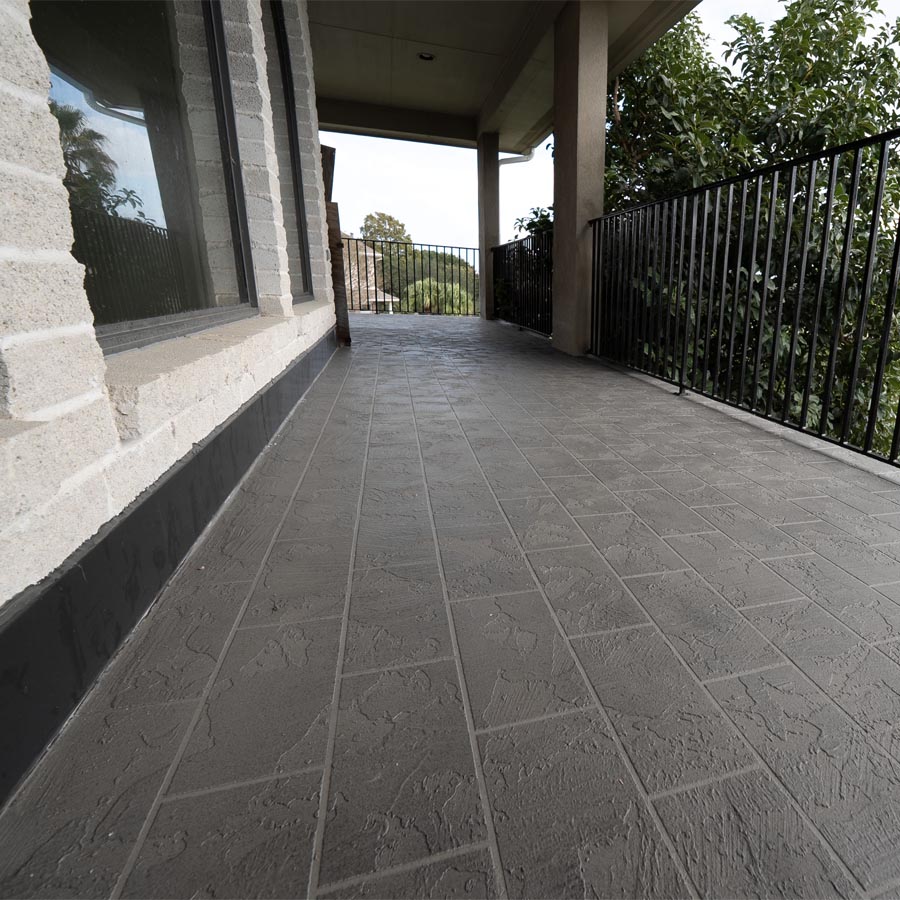
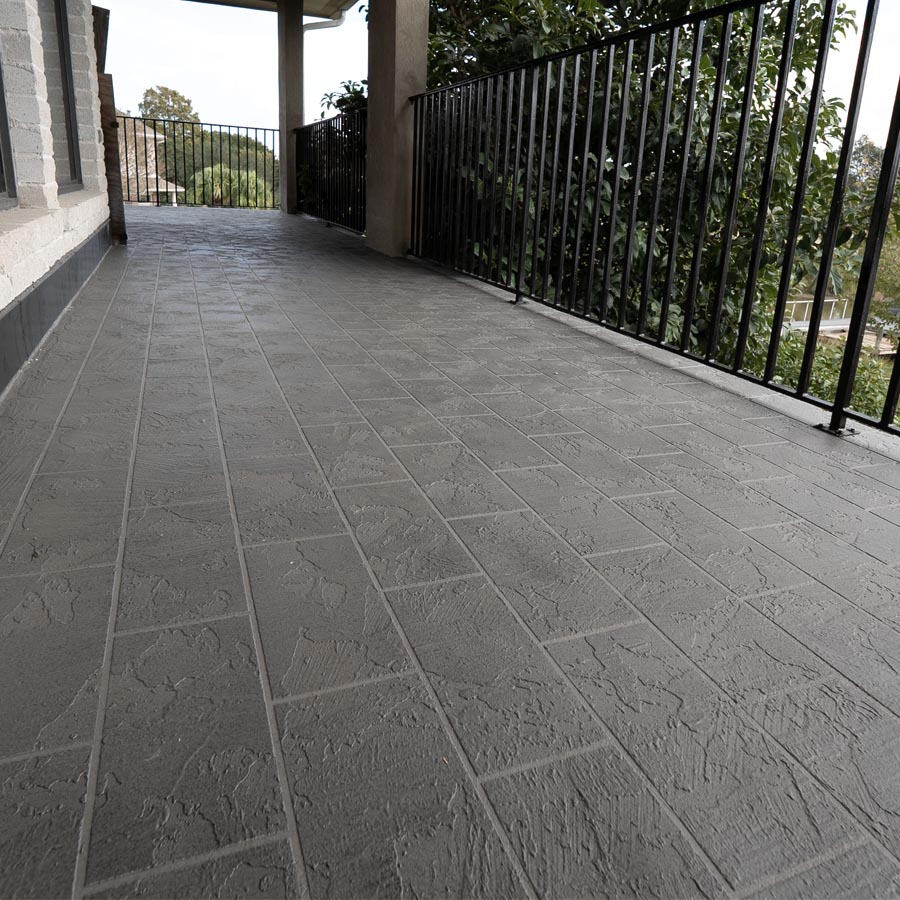
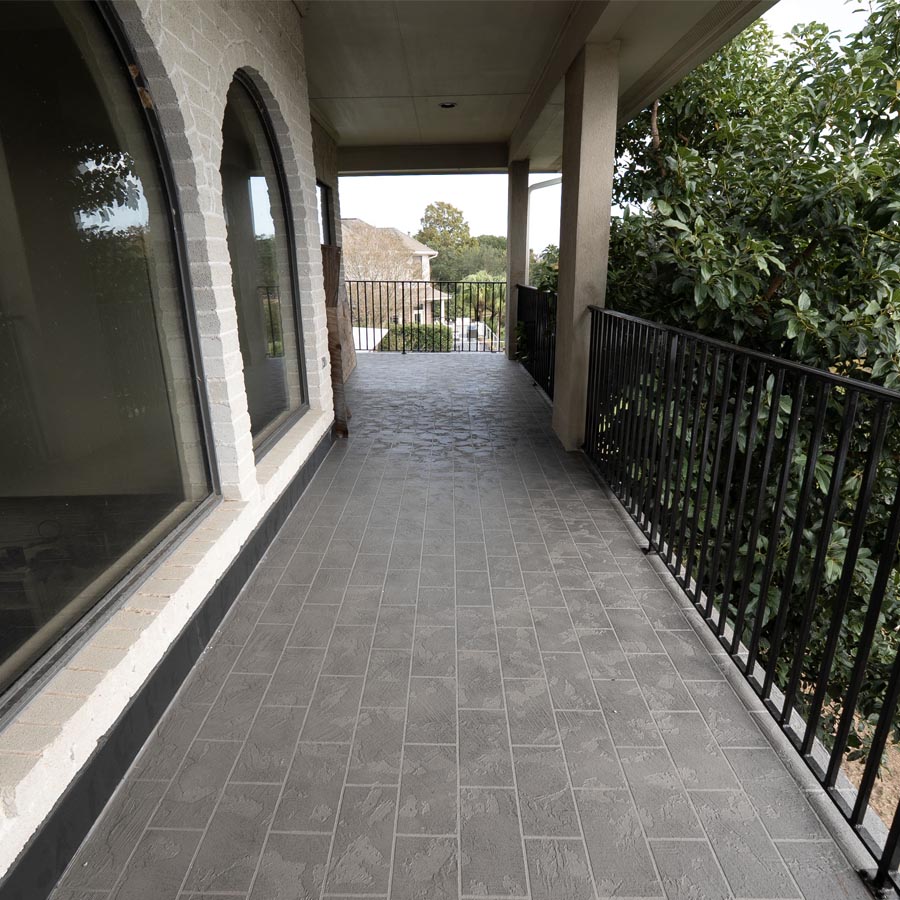
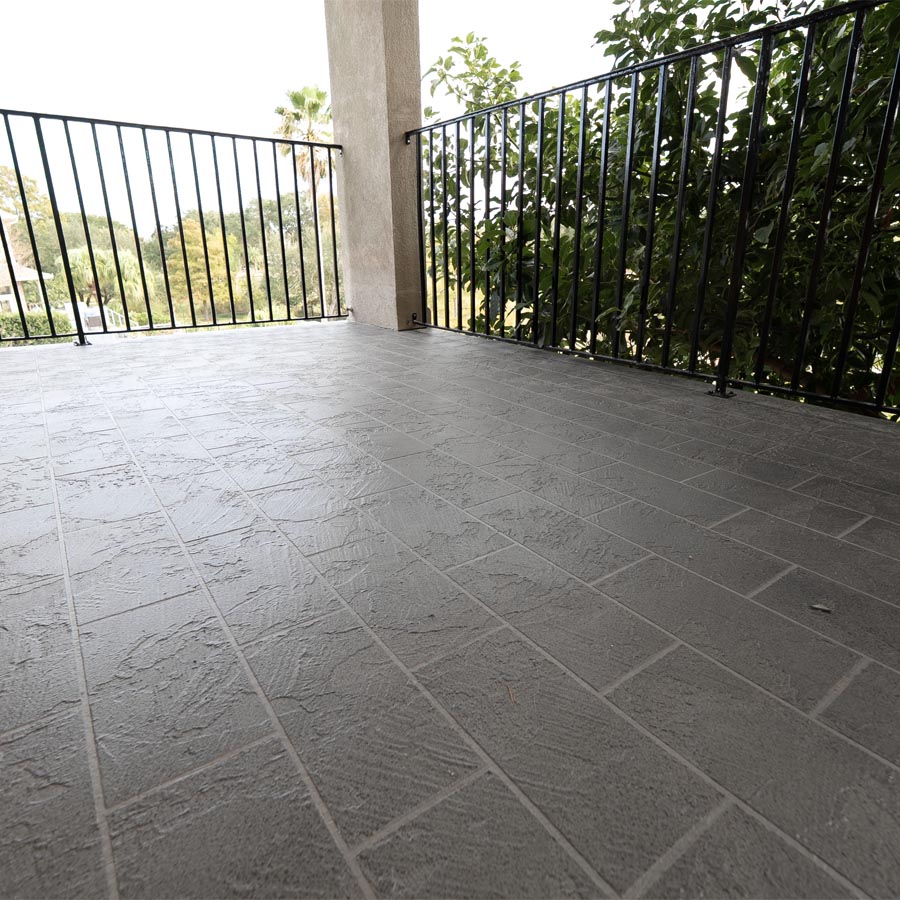
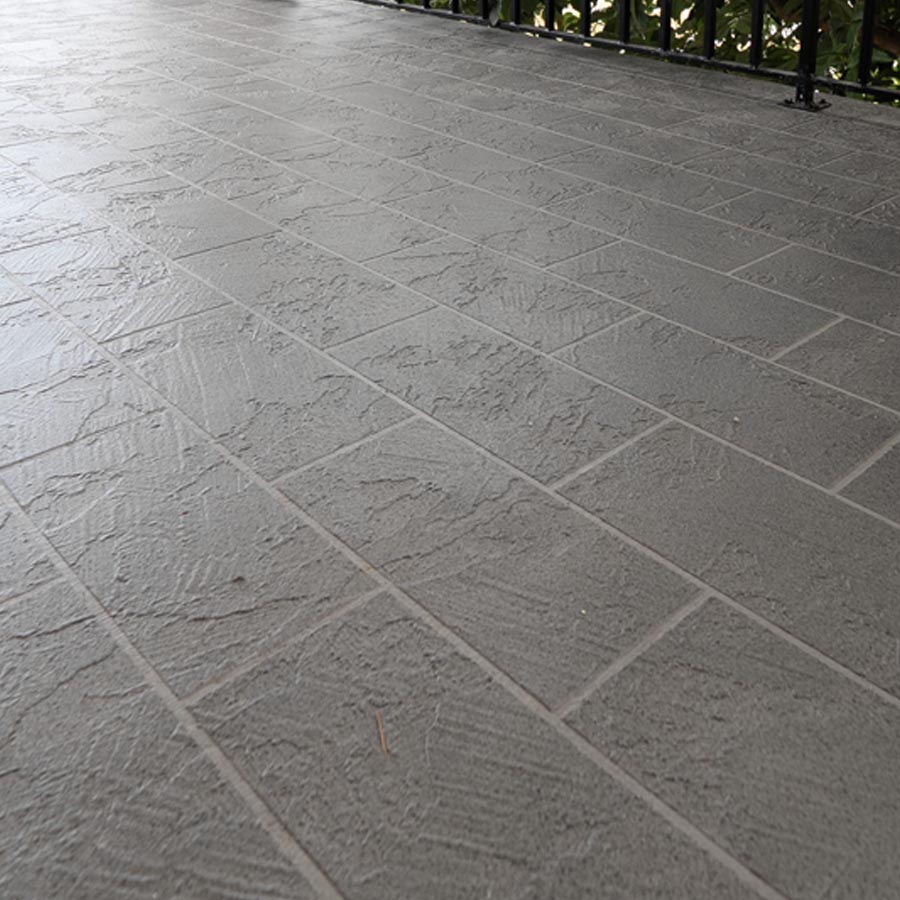
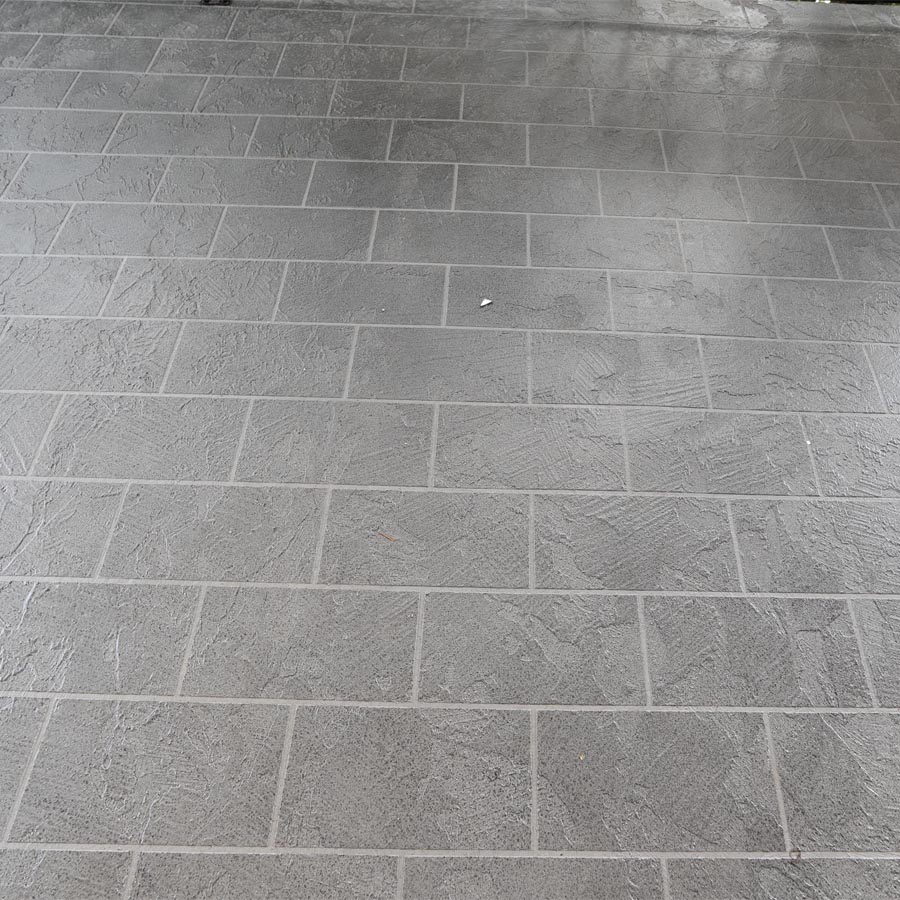
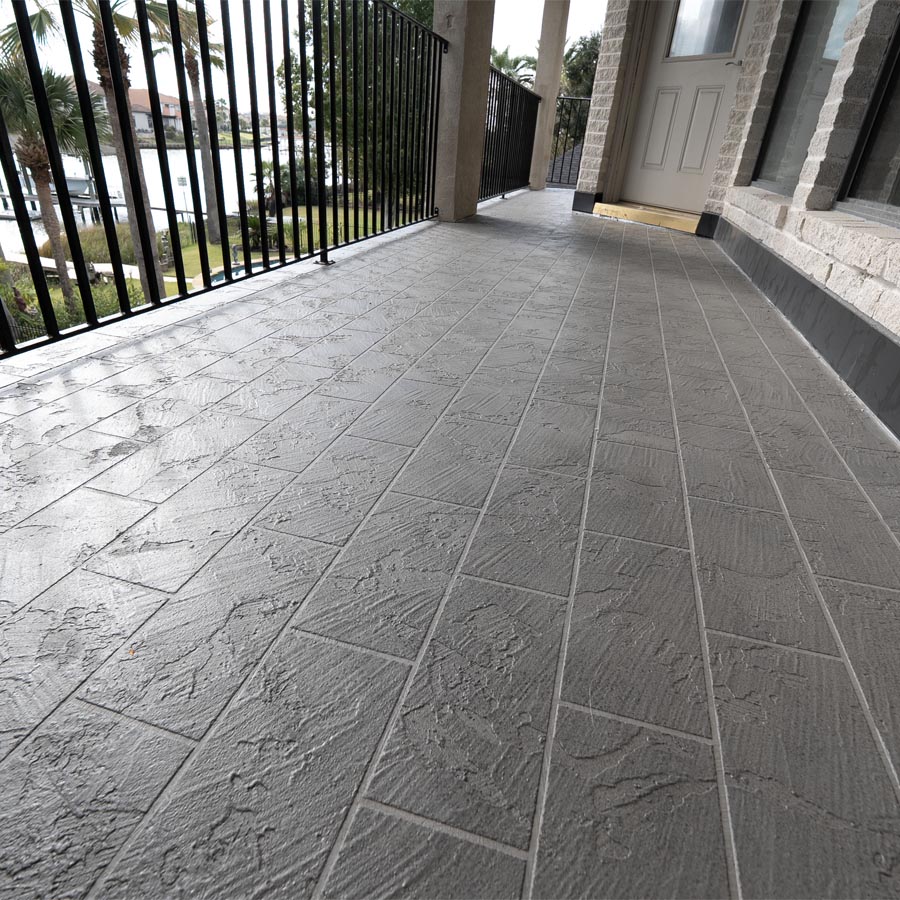
Watch Our Complete Balcony Waterproofing Transformation
Before diving into the details of balcony waterproofing, please take a look at one of our recent projects. This video showcases a complete balcony transformation in the Houston area, demonstrating the severe water damage we discovered during inspection and the professional waterproofing system we installed to protect this home for decades to come. You’ll see the deteriorated condition of the original balcony, our systematic repair process, and the finished, waterproofed surface that now provides reliable protection against Houston’s challenging weather.
Why Houston Balconies Need Professional Waterproofing
Houston’s subtropical climate creates unique challenges for balcony construction and maintenance. The combination of intense summer heat, frequent thunderstorms, occasional tropical systems, and high year-round humidity accelerates material degradation faster than in most U.S. regions. Wood substrates absorb moisture during humid periods, expand and contract with temperature fluctuations, and provide ideal conditions for rot and insect activity when waterproofing fails.
Common Waterproofing Failure Points
| Failure Location | Typical Cause | Visible Symptoms | Structural Risk Level |
|---|---|---|---|
| Deck surface | Poor drainage, inadequate slope | Standing water, surface deterioration | High |
| Wall transitions | Missing flashing, improper sealing | Staining, interior ceiling damage | Critical |
| Railing posts | Unsealed penetrations | Wood rot at the base, loose railings | Critical |
| Door thresholds | Failed weatherstripping, improper pan | Interior water intrusion, threshold rot | High |
| Drainage outlets | Clogging, improper installation | Ponding water, overflow damage | Medium |
Houston’s expansive clay soils add another challenge to waterproofing. Foundation movement from soil expansion and contraction creates stress on balcony attachments, potentially opening gaps in waterproofing systems. Professional balcony builders account for this movement during design and installation, incorporating flexible waterproofing materials and proper expansion joints that maintain protection despite structural shifts.
Interior Warning Signs of Balcony Water Intrusion
- Ceiling stains or water marks directly below balcony areas
- Peeling paint or bubbling drywall on ceilings under balconies
- Musty odors indicate hidden mold growth in wall cavities
- Visible mold on interior walls adjacent to balcony doors
- Warped or damaged flooring near balcony access points
“The biggest mistake homeowners make is thinking they can wait on balcony waterproofing repairs,” notes Joe G. “Water damage progresses exponentially—a small leak today becomes a structural failure tomorrow. We’ve torn out balconies that looked fine from above but had completely rotted joists underneath. That’s when repair costs jump from a few thousand dollars to complete reconstruction.”
Cracked or deteriorated caulk joints signal a failure of the waterproofing system. Inspect all transitions where different materials meet: deck-to-wall connections, around door thresholds, at railing post bases, and along any penetrations. Caulk should remain flexible and fully adhered. Gaps, cracks, or hardened caulk no longer provide water protection. Professional recaulking using appropriate marine-grade or commercial-grade products rated for Houston’s climate extends waterproofing life substantially.
Professional Balcony Waterproofing Systems for the Houston Climate
Effective balcony waterproofing requires layered protection systems addressing multiple failure points. Surface coatings alone cannot prevent water intrusion—proper waterproofing begins with structural design and incorporates various barriers working together. Houston Builders Texas implements proven systems tailored to local conditions that meet or exceed the International Building Code requirements adopted by the City of Houston.
Waterproofing membranes form the primary moisture barrier. Several membrane types suit Houston applications, each with specific advantages:
Balcony Waterproofing Membrane Comparison
| Membrane Type | Typical Lifespan | Cost Range per SF | Best Applications | Maintenance Requirements |
|---|---|---|---|---|
| Liquid-applied polyurethane | 15-25 years | $8-$12 | Complex details, existing structures | Periodic recoating every 10 years |
| Sheet vinyl (PVC/TPO) | 20-30 years | $10-$15 | New construction, larger flat areas | Minimal, inspect seams annually |
| Torch-down modified bitumen | 15-20 years | $6-$10 | Commercial applications, high traffic | Monitor for punctures quarterly |
| Elastomeric coatings | 10-15 years | $5-$8 | Budget-conscious projects | Recoat every 5-7 years |
“We’ve tested every waterproofing system available, and for Houston residential balconies, liquid-applied polyurethane membranes provide the best combination of durability, seamless installation, and flexibility to handle our foundation movement,” explains Joe G. “These systems create monolithic barriers without seams that can fail. They also accommodate the thermal expansion and contraction we experience between summer and winter temperatures.”
Key Code Requirements for Houston Balcony Construction
- Structural loading: Minimum 60 psf live Load for residential balconies
- Railing height: Minimum 42 inches for balconies more than 30 inches above grade
- Guard opening size: Maximum 4-inch sphere passage through guard components
- Ledger attachment: Through-bolted connections at maximum 24-inch spacing
- Water drainage: Positive drainage away from the building, no standing water permitted
- Moisture barriers: Required at all building penetrations and deck-to-wall connections
The 2021 Houston Building Code incorporates energy efficiency requirements from the International Energy Conservation Code. While primarily focused on building envelope performance, these provisions affect balcony door installations and threshold details. Doors accessing balconies must meet air leakage standards and thermal performance requirements, necessitating proper weatherstripping and threshold design that balances waterproofing with energy efficiency.
Projects in Houston’s historic districts or properties with homeowners’ association oversight may face additional requirements beyond city building codes. The Houston Archaeological and Historical Commission reviews exterior modifications to protected properties. HOAs often specify approved materials, colors, and design elements. Professional remodeling projects include navigating these approval processes before construction begins.
The Complete Balcony Waterproofing Process
Professional balcony waterproofing follows a systematic process, ensuring every vulnerability receives appropriate treatment. Shortcuts at any stage compromise the entire system. Houston Builders Texas employs trained crews who understand proper sequencing and material compatibility, completing most residential balcony waterproofing projects within 3-5 days, depending on size and complexity—50% faster than typical industry timelines thanks to our experienced team’s efficiency.
Phase 1: Inspection and Damage Assessment
Every project begins with a thorough structural evaluation. We remove deck surface materials to expose the underlying framing for inspection. Moisture meters detect hidden water damage that isn’t visible on the surface. Structural engineers evaluate any questionable framing members to determine repair versus replacement requirements. This investigation phase prevents surprises during construction and ensures repair scopes address all damage, not just visible symptoms.
We recently completed a comprehensive balcony repair approximately 0.8 miles from Rice University, where initial inspection revealed moisture damage extending beyond the balcony into adjacent wall cavities. The project scope expanded to include wall framing repairs and interior restoration—work that would have remained hidden and continued to deteriorate without a proper initial assessment. Homeowners appreciated discovering the full extent of damage upfront rather than facing additional problems later.
Phase 2: Structural Repairs and Substrate Preparation
All damaged framing is repaired or replaced before waterproofing installation. Rotted joists, rim boards, or ledger connections get replaced with pressure-treated lumber appropriate for ground contact applications. We install new, properly flashed ledger boards with code-compliant through-bolt attachments when existing connections show deterioration or do not meet current standards.
Surface preparation proves critical for waterproofing adhesion. Wet thoroughly cleaned all substrates, removing dirt, old coatings, and contaminants. Wood surfaces receive light sanding to open the grain and improve primer penetration. Concrete substrates may require shot blasting or grinding to remove laitance and create a proper surface profile. Moisture content testing ensures substrates are sufficiently dry before membrane application—waterproofing systems trap moisture if installed over wet surfaces.
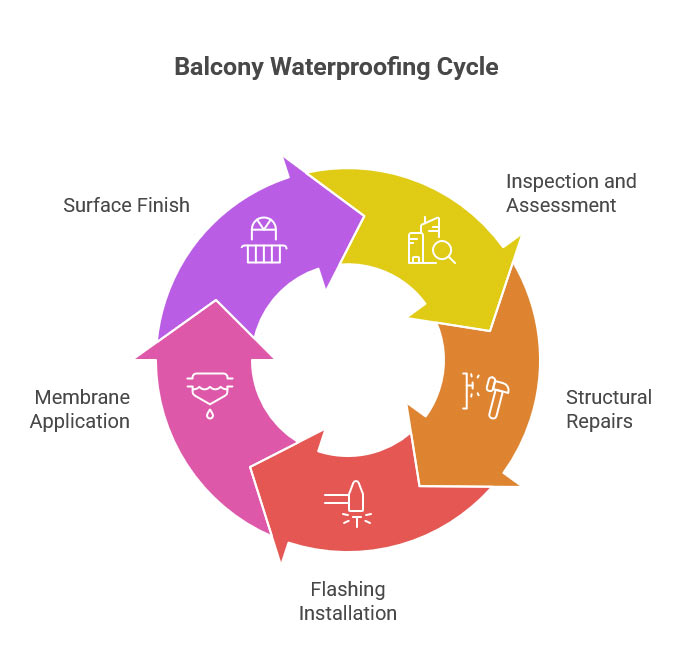
Phase 3: Flashing and Transition Details
Metal flashing installation at critical transitions forms the skeleton of the waterproofing system. We install continuous metal flashing at all wall-to-deck connections, integrated with the building’s weather barriers. Through-wall flashing above ledger boards prevents water tracking along structural connections. Corner flashing receives careful attention since these areas concentrate water flow and movement stress.
Door threshold pans get installed with proper slope and positive connections to deck waterproofing membranes. We extend membranes through door openings and up interior walls, a minimum of 6 inches, creating continuous barriers. Railing post bases receive specialized boot flashing or integrate with deck membrane systems to prevent water entry around structural penetrations.
“Flashing represents the most important and most commonly neglected aspect of balcony waterproofing,” emphasizes Joe G. “You can use the world’s best membrane, but if water gets behind it through poor flashing details, the entire system fails. We spend extra time getting these transitions perfect because that’s where 90% of problems develop.”
Phase 4: Waterproofing Membrane Installation
Primary membrane installation follows manufacturer specifications precisely regarding temperature ranges, humidity limits, application thickness, and curing times. Liquid-applied polyurethane systems require multiple coats with specified dry times between layers. We apply reinforcing fabric in high-stress areas, such as wall transitions and drainage penetrations, and embed it in the wet membrane for added strength.
Sheet membrane systems demand careful measurement and fitting, particularly around complex geometries and penetrations. Seams are double-welded or solvent-welded, depending on the material, creating watertight connections that are stronger than the base membrane. All penetrations are individually detailed with custom flashing boots or membrane patches extending at least 6 inches beyond the opening in all directions.
Phase 5: Surface Finish and Protection
Waterproofing membranes require protection from UV exposure, traffic wear, and physical damage. Surface finish options include tile installations over waterproofing, decorative concrete overlays, or specialized deck coatings. Material selection balances aesthetic preferences with functional requirements and maintenance considerations.
Tile installations over waterproof membranes require specific substrate preparation and mortar selection. We install isolation membranes between waterproofing and tile to accommodate differential movement. Proper slope extends through the tile surface to maintain drainage. Grout joints receive sealing to prevent water accumulation in tile systems.
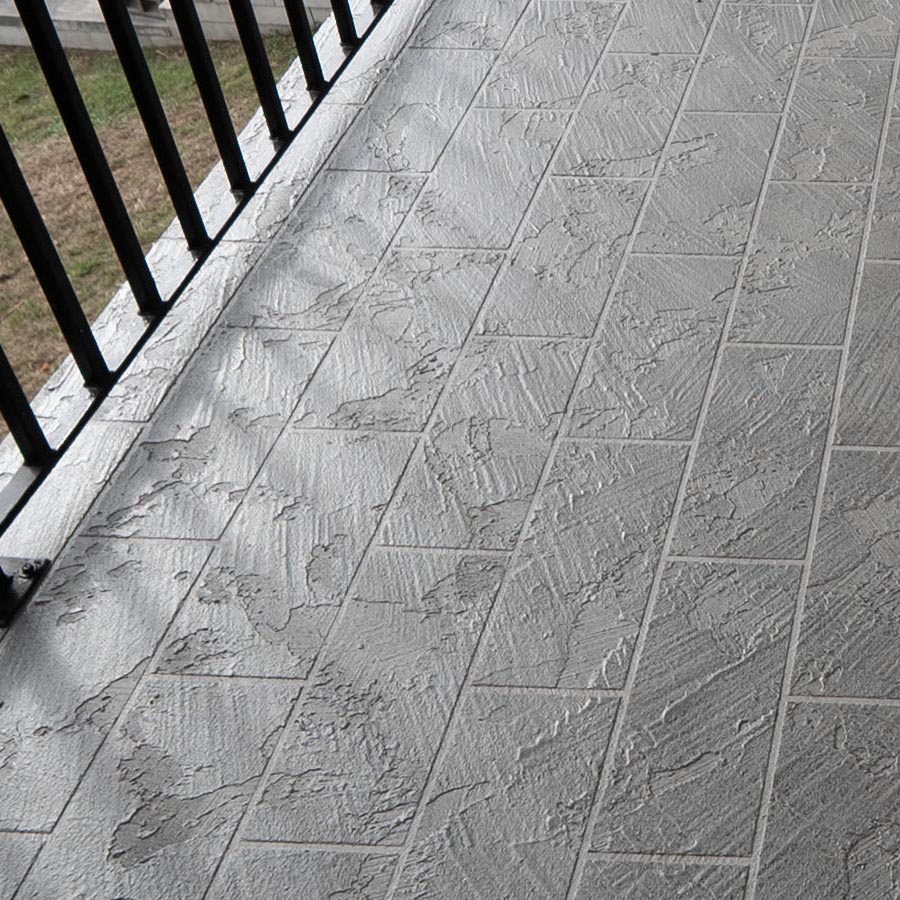
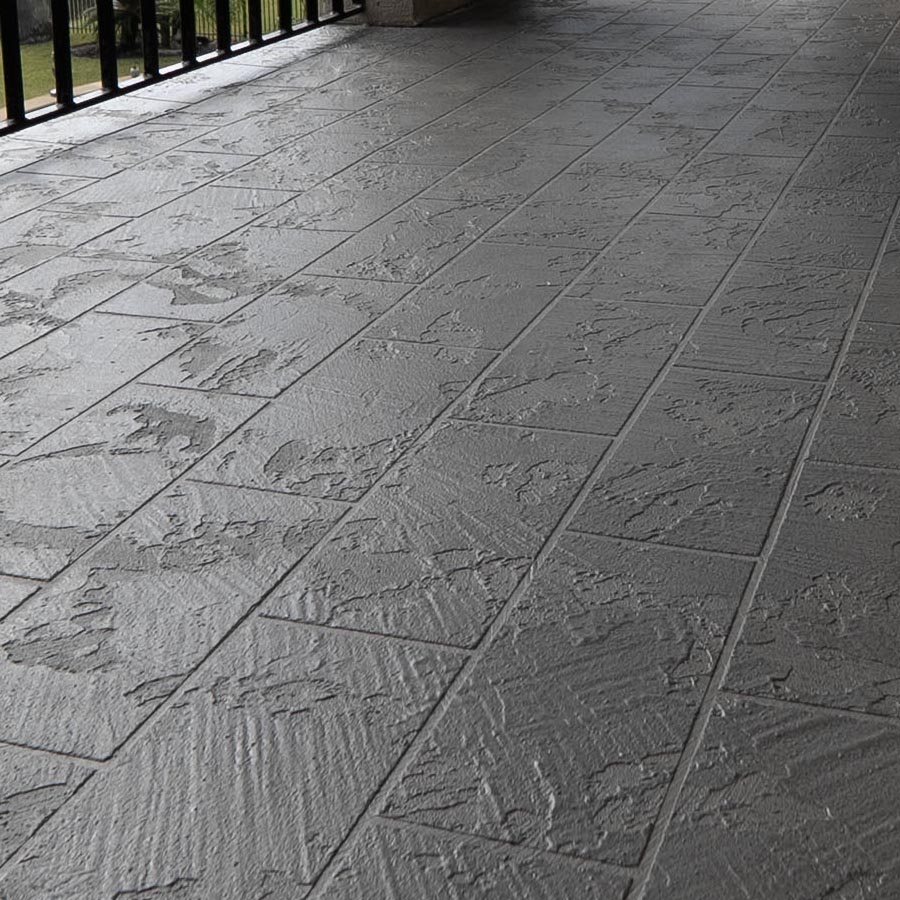
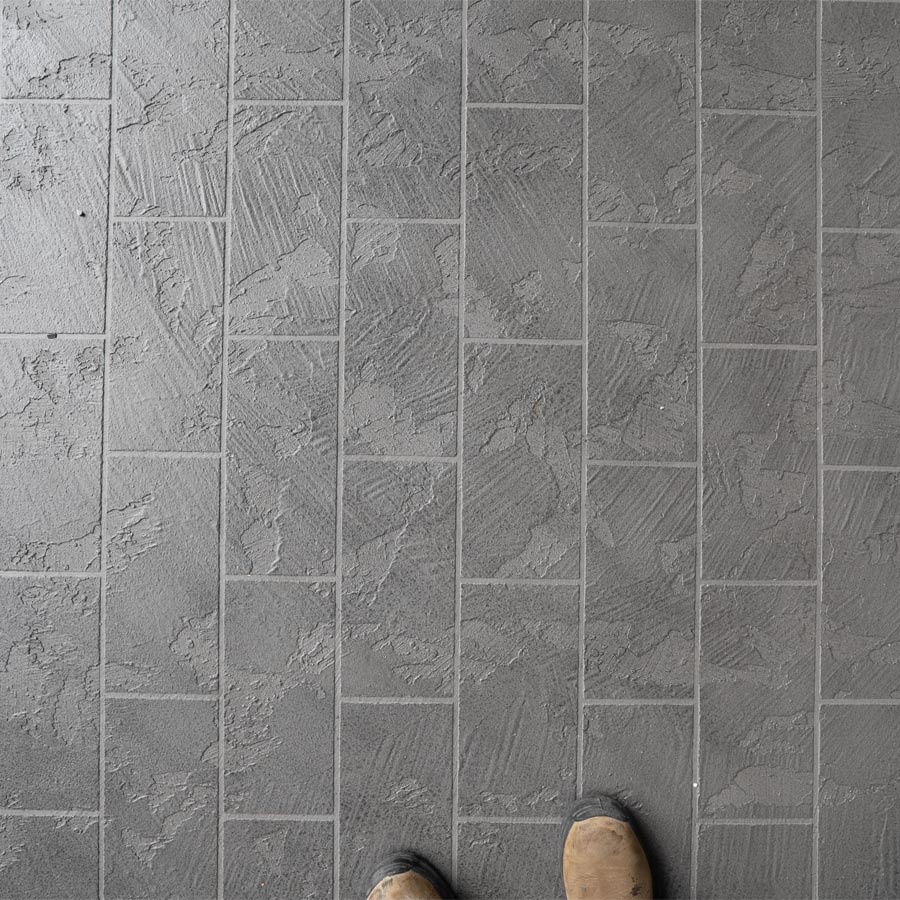
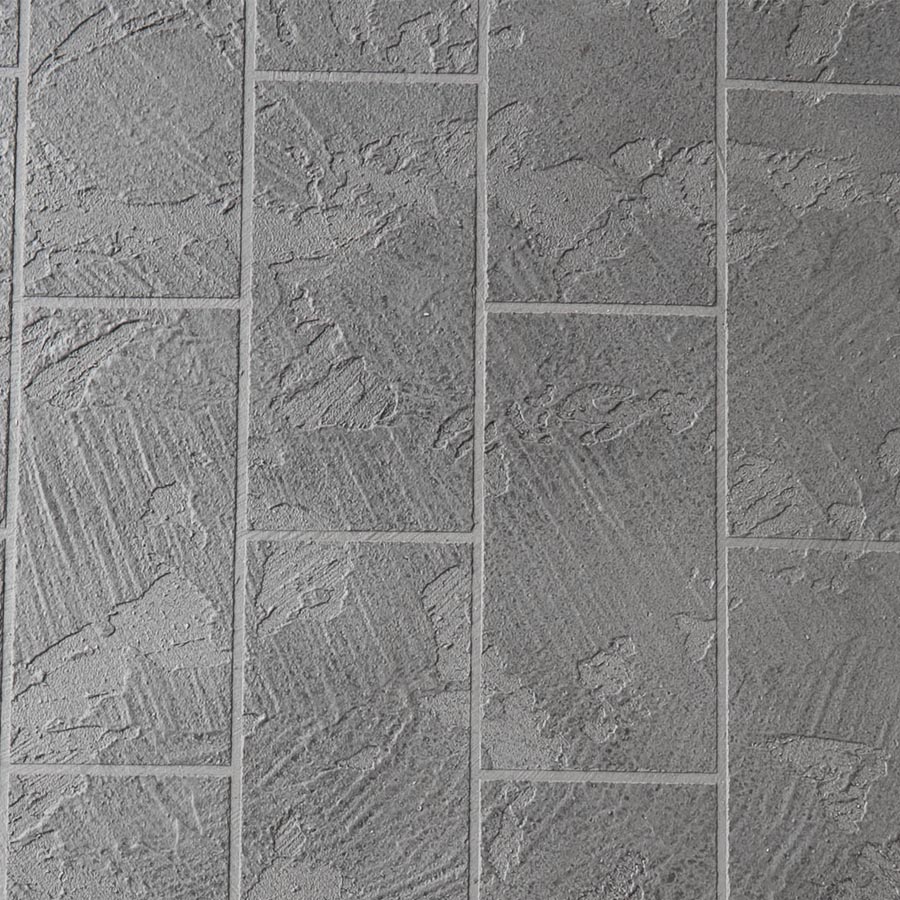
Deck coating systems provide cost-effective protection with slip-resistant textures suitable for barefoot traffic. We apply multi-layer coating systems incorporating base coats, textured intermediate layers, and UV-resistant topcoats. Color options allow customization that matches exteriors or creates distinct outdoor spaces.
Cost Factors for Houston Balcony Waterproofing Projects
Balcony waterproofing costs vary significantly based on project size, existing condition, material selections, and access complexity. Houston Builders Texas provides detailed written estimates breaking down material and labor components, allowing homeowners to make informed decisions about scope and budget allocation. Understanding cost factors helps set realistic expectations and identify where value-focused decisions deliver the best long-term results.
Typical Houston Balcony Waterproofing Cost Ranges
| Project Scope | Size Range | Material Cost | Labor Cost | Total Investment | Timeline |
|---|---|---|---|---|---|
| Basic coating refresh | 100-200 SF | $800-$1,600 | $1,200-$2,000 | $2,000-$3,600 | 1-2 days |
| Standard waterproofing system | 100-200 SF | $1,500-$2,800 | $2,500-$4,000 | $4,000-$6,800 | 3-4 days |
| Complete rebuild with waterproofing | 100-200 SF | $3,500-$6,000 | $5,000-$8,000 | $8,500-$14,000 | 5-7 days |
| Large luxury balcony system | 300-500 SF | $6,000-$12,000 | $9,000-$15,000 | $15,000-$27,000 | 7-10 days |
Material selection offers trade-offs between upfront investment and long-term performance. Budget-focused elastomeric coating systems deliver adequate protection for cost-conscious projects but require more frequent maintenance and shorter service life than premium polyurethane membranes. For comprehensive comparisons of construction costs in Houston, see our complete guide for remodeling contractors’ pricing.
“We always recommend homeowners consider total lifetime costs rather than just initial investment,” advises Joe G. “A premium waterproofing system might cost 30% more upfront but last twice as long and require less maintenance. Over 20 years, the better system actually costs less per year while providing superior protection. That matters when you’re protecting structural investments worth tens of thousands of dollars.”
Access complexity adds labor costs to projects. Second-story balconies requiring scaffolding or lift equipment increase expenses—balconies with limited access for material delivery require more manual handling. Occupied buildings that require us to maintain quiet hours or work around residents’ schedules extend project timelines and associated labor costs.
Comparing Balcony Waterproofing Materials for Houston Applications
Material selection for balcony waterproofing involves balancing performance, cost, aesthetics, and maintenance requirements. No single material suits every application—the optimal choice depends on specific project parameters and homeowner priorities. Understanding the strengths and limitations of each option enables informed decision-making aligned with project goals.
Waterproofing Material Performance Characteristics
| Material Property | Polyurethane | PVC Sheet | Modified Bitumen | Elastomeric Coating |
|---|---|---|---|---|
| UV resistance | Excellent | Excellent | Good | Fair |
| Flexibility | Excellent | Very Good | Good | Fair |
| Seamless application | Yes | No | No | Yes |
| Traffic durability | Requires protection | Good | Excellent | Fair |
| Repair ease | Moderate | Difficult | Moderate | Easy |
| Temperature range | -40°F to 180°F | -20°F to 160°F | -10°F to 180°F | 10°F to 140°F |
Sheet vinyl membranes (PVC or TPO) offer proven long-term performance in commercial applications. These prefabricated sheets arrive in large rolls, are cut to fit the balcony dimensions, and the seams are welded together using heat or solvent. When properly installed, welded seams create watertight joints as strong as the base material. Sheet systems handle high-traffic applications without additional protection, making them suitable for balconies receiving heavy use.

Balcony Drainage System Components
- Primary slope: Built into structural framing, minimum 1/4″ per foot toward drainage points
- Secondary slope: Created by leveling compounds or tapered insulation, refines drainage patterns.
- Scupper drains: Through-wall openings connecting the balcony surface to exterior drainage.
- Deck drains: Floor-level drains connected to building plumbing systems (when possible)
- Edge drippers: Continuous edge details directing water away from wall connections
- Overflow protection: Emergency drainage prevents water backup into buildings
Drainage outlet details must be carefully integrated with waterproofing. We install prefabricated drain assemblies with integral waterproofing flanges that bond to deck membranes, creating watertight connections. Drain grates must allow debris to clear while preventing clogging during leaf-fall seasons. Removable grates facilitate periodic cleaning—we recommend that homeowners inspect and clear drainage outlets quarterly to avoid backup issues.
For projects where structural constraints prevent adequate slope or conventional drainage, we sometimes install channel drains or linear drainage systems. These catch surface water along balcony edges or low points and direct flow to discharge locations. Channel drains work particularly well for retrofitting drainage improvements on existing balconies where rebuilding the structural slope proves impractical or excessively expensive.
“Drainage planning deserves as much attention as waterproofing material selection,” emphasizes Joe G. “We’ve seen premium waterproofing systems fail within five years because inadequate drainage kept them constantly submerged. Proper drainage extends waterproofing life dramatically while also creating more pleasant outdoor spaces that dry quickly after rain.”
Connected services, such as water damage restoration, become necessary when drainage failures allow persistent moisture intrusion. Our integrated approach addresses both waterproofing and proper drainage to prevent recurring problems that damage not just balconies but also interior spaces below them.
Questions to Ask Potential Balcony Repair Contractors
- How many balcony waterproofing projects have you completed in Houston?
- What specific waterproofing system do you recommend and why?
- Can you provide three recent client references for similar projects?
- Are you licensed and insured with current coverage documentation?
- Do you pull permits and coordinate required inspections?
- What warranty do you provide on artistry and materials?
- How do you handle change orders for unexpected conditions?
- What is your estimated timeline and payment schedule?
Houston Builders Texas brings over a decade of local experience addressing Houston’s unique construction challenges. Our team includes manufacturer-certified installers trained on leading waterproofing systems. We maintain current licensing and insurance required for residential and commercial projects throughout Harris County and the surrounding areas. Every project includes written proposals, properly issued permits, and warranty documentation to protect your investment.
For homeowners researching bathroom or kitchen remodeling projects, coordinating balcony waterproofing with other renovations can yield cost efficiencies through combined mobilization and scheduling.
Why Winter Represents the Ideal Season for Balcony Waterproofing
Houston’s mild winters create optimal conditions for exterior construction projects, including balcony waterproofing. While summer heat and humidity dominate most of the year, the winter months from December through February offer comfortable working temperatures, lower humidity, and more predictable weather patterns, facilitating efficient project completion.
Temperature ranges during Houston winters typically fall within ideal parameters for installing most waterproofing materials. Liquid polyurethane systems require a minimum temperature of 50°F for proper curing, easily achieved on typical Houston winter days, which average 50-70°F. The moderate temperatures also improve working conditions for crews, increasing productivity and installation quality compared to summer projects, where heat exhaustion becomes a legitimate safety concern.
Lower humidity during the inter months accelerates the curing time of waterproofing materials. Many systems require substrates with a moisture content below a specific threshold before installation—easier to achieve during drier winter periods than during humid summer conditions. Faster curing reduces project timelines, minimizing disruption for homeowners and allowing quicker return to everyday balcony use.
Seasonal Comparison for Houston Balcony Construction
| Season | Average Temperature | Average Humidity | Rainfall Days/Month | Material Curing Time | Crew Productivity |
|---|---|---|---|---|---|
| Winter (Dec-Feb) | 50-70°F | 65% | 8-10 days | Optimal | Excellent |
| Spring (Mar-May) | 70-85°F | 70% | 10-12 days | Good | Good |
| Summer (Jun-Aug) | 85-95°F | 75-80% | 12-15 days | Slower | Reduced by heat |
| Fall (Sep-Nov) | 75-85°F | 70% | 10-12 days | Good | Good |
Contractor availability improves dramatically during the winter months. Summer marks the peak construction season in Houston, when most contractors maintain full schedules. Winter scheduling flexibility means shorter wait times from initial contact to project start and better attention from contractors not juggling multiple simultaneous projects. This focused attention translates into better quality control and more effective problem-solving when unexpected conditions arise.
“We can complete balcony projects 50% faster in winter compared to summer for multiple reasons,” explains Joe G. “Better weather conditions, faster material curing, and frankly, our crews work more efficiently at 65 degrees than 95 degrees. Homeowners also appreciate having exterior work completed during months when they’re not trying to use their balconies for entertaining. Winter scheduling is one of the smartest decisions Houston homeowners can make.”
Reduced rainfall during the winter months minimizes weather-related delays. While Houston receives rain year-round, the winter months average fewer rainy days than spring or summer. This predictability allows for more accurate project scheduling and reduces frustrating weather delays that extend timelines and complicate coordination.
For comprehensive information about other exterior projects best suited for winter construction, explore our resources on deck and patio construction and exterior painting timing considerations.
Our Balcony Waterproofing Service Areas
We provide balcony repair and waterproofing services throughout the Houston metropolitan area, including Memorial, River Oaks, West University, Bellaire, Katy, Sugar Land, The Woodlands, Clear Lake, Pearland, and surrounding communities in Harris, Fort Bend, and Montgomery counties. For complete service area information, visit our service areas page.
Houston Builders Texas offers comprehensive construction services beyond balcony waterproofing. Our capabilities include room additions and conversions, flooring installation, concrete work, and fireplace and chimney projects. This integrated approach allows coordinating balcony waterproofing with related renovation work, maximizing efficiency and minimizing total project costs and disruption.
Additional Resources
City of Houston Building Permits & Inspections
Houston Permitting Center
Texas Department of Licensing and Regulation
TDLR Contractor Verification
International Code Council
Building Code Resources
Harris County Flood Control District
Flood Safety Information
For more information about our construction services and helpful guides, visit our news and blog section featuring detailed articles about Houston construction projects, costs, and best practices.